Similarities and Differences between the mysterious outbreak in Russia and the COVID-19 outbreak in Wuhan
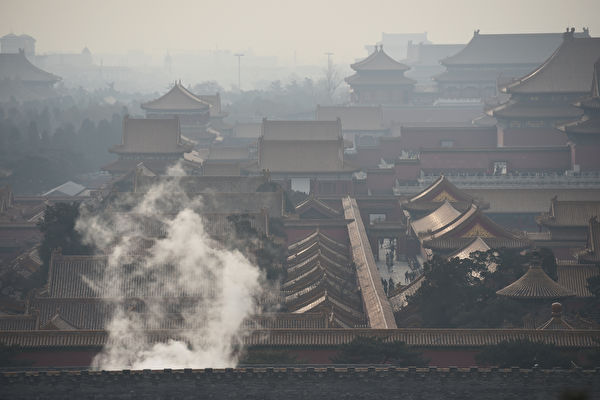
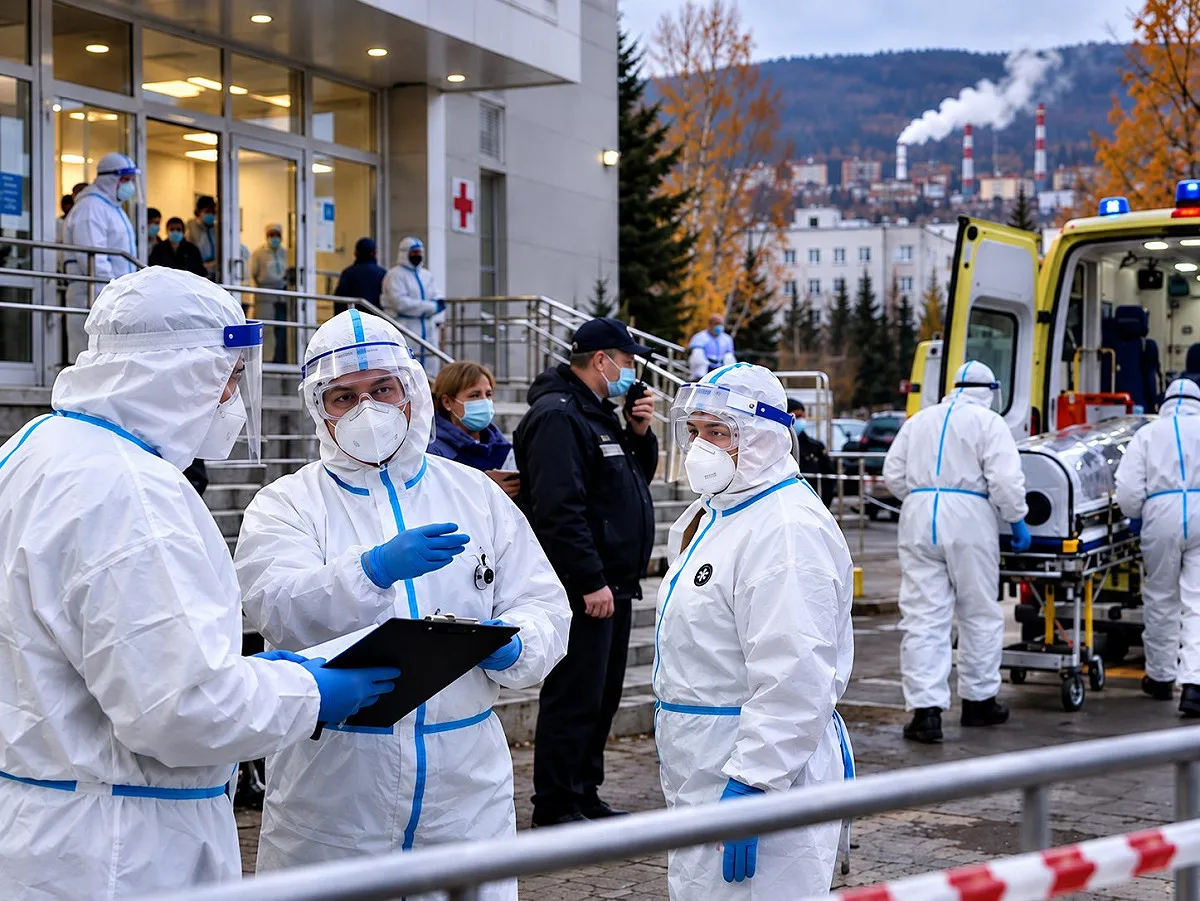
Report by : Zhou Xiaohui / Editor: Jiang Yi / Source : The Epoch Times / https://www.aboluowang.com/2026/1009/2443499.html / Image : Will economic issues, the pandemic, and the diplomatic crisis triggered by the Russia-Ukraine war introduce variables that could derail Xi Jinping’s plan to break term limits at the 20th National Congress? Pictured: A heavily polluted Beijing outside the Forbidden City in December 2015. On 6 October 2026, Russian authorities announced that a 28-year-old employee at the Irkutsk Institute for Anti-Plague Research (Siberia and Far East) had suddenly fallen critically ill in late September and died in the early hours of 2 October 2026; the cause of death was diagnosed as "pneumonia of unknown origin." Subsequently, 197 contacts were identified; 189 of them were placed under medical observation, multiple hospitals restricted entry and exit, and a large aluminum plant reinstated a mask mandate for employees.
Regarding the cause of death, other online reports claimed the deceased had accidentally broken a test tube containing live plague bacteria in the laboratory, leading to a fatal pneumonic plague infection. However, senior Russian epidemiologist Mikhail Favorov publicly expressed skepticism about the "broken test tube" theory. He stated: "It’s ridiculous. Staff at the Irkutsk Anti-Plague Institute wear protective suits. Even if a test tube breaks, the actual probability of infection is extremely low. In any case, it doesn't matter to the general public—they will believe the story about the test tube falling and breaking."
If it was not pneumonic plague, could this so-called "pneumonia of unknown origin" be another novel, synthetically engineered virus? Or perhaps a biological weapon?
This inevitably brings to mind COVID-19 (the novel coronavirus or "CCP virus"), which erupted in early 2020 and spread globally, causing millions of deaths; it, too, is suspected by many to have originated in a laboratory—specifically, the Wuhan Institute of Virology in Hubei, China.
The Wuhan Institute of Virology (also known as a biosafety laboratory, or P4 lab) is currently the only laboratory publicly acknowledged by the CCP to possess the capability to conduct research on biological weapons programs. In its 2019 annual report on arms control compliance, the U.S. State Department stated bluntly that it was convinced the Chinese Communist Party (CCP) was secretly conducting offensive biological and chemical weapons research programs.
The Irkutsk Anti-Plague Institute of Siberia and the Far East was also involved in biological and chemical weapons research. Marshall Billingslea, who served as President Trump’s Special Presidential Envoy for Arms Control, wrote that he had worked with Ken Alibek—the number-two official in the Soviet biological weapons program—after Alibek defected to the United States in the 1990s. Billingslea stated that the Soviet Union had genetically engineered an antibiotic-resistant strain of the plague bacterium and had researched plague chimeras. "The Irkutsk Institute was also involved in this biological weapons program," he noted, suggesting that the events currently unfolding in Russia might involve something far more terrifying than just the plague.
The CCP’s Wuhan Institute of Virology and Russia’s Irkutsk Anti-Plague Institute share two key similarities: both were involved in biological and chemical weapons research, and in both cases, the first person to die was a laboratory staff member.
In April 2023, the U.S. House Select Subcommittee on the Coronavirus Pandemic sent a letter to the Chinese Embassy in the United States. In addition to demanding that the CCP cease its interference regarding the investigation into the virus's origins, the letter requested that five specific individuals submit to in-person questioning and interviews that could be transcribed. This list included—but was not limited to—Gao Fu (Director of the Chinese Center for Disease Control and Prevention), Shi Zhengli (Director of the Center for Emerging Infectious Diseases at the Wuhan Institute of Virology), Hu Ben (a researcher at the Wuhan Institute of Virology), Chen Wei (the military Major General who took over the Wuhan Institute of Virology after the outbreak began), and Huang Yanling (identified as "Patient Zero," whom the CCP claims is still alive).
Huang Yanling is rumoured to be the first graduate student at the Wuhan Institute of Virology to become infected and subsequently die—having contracted the virus in the laboratory—despite the CCP’s public denials and claims that she is "doing fine."
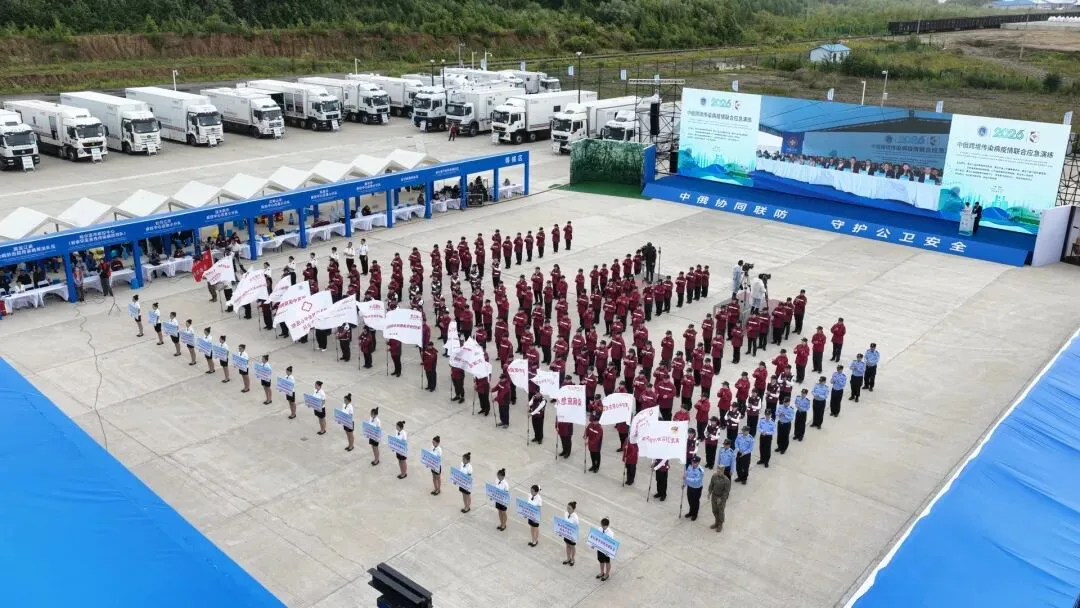
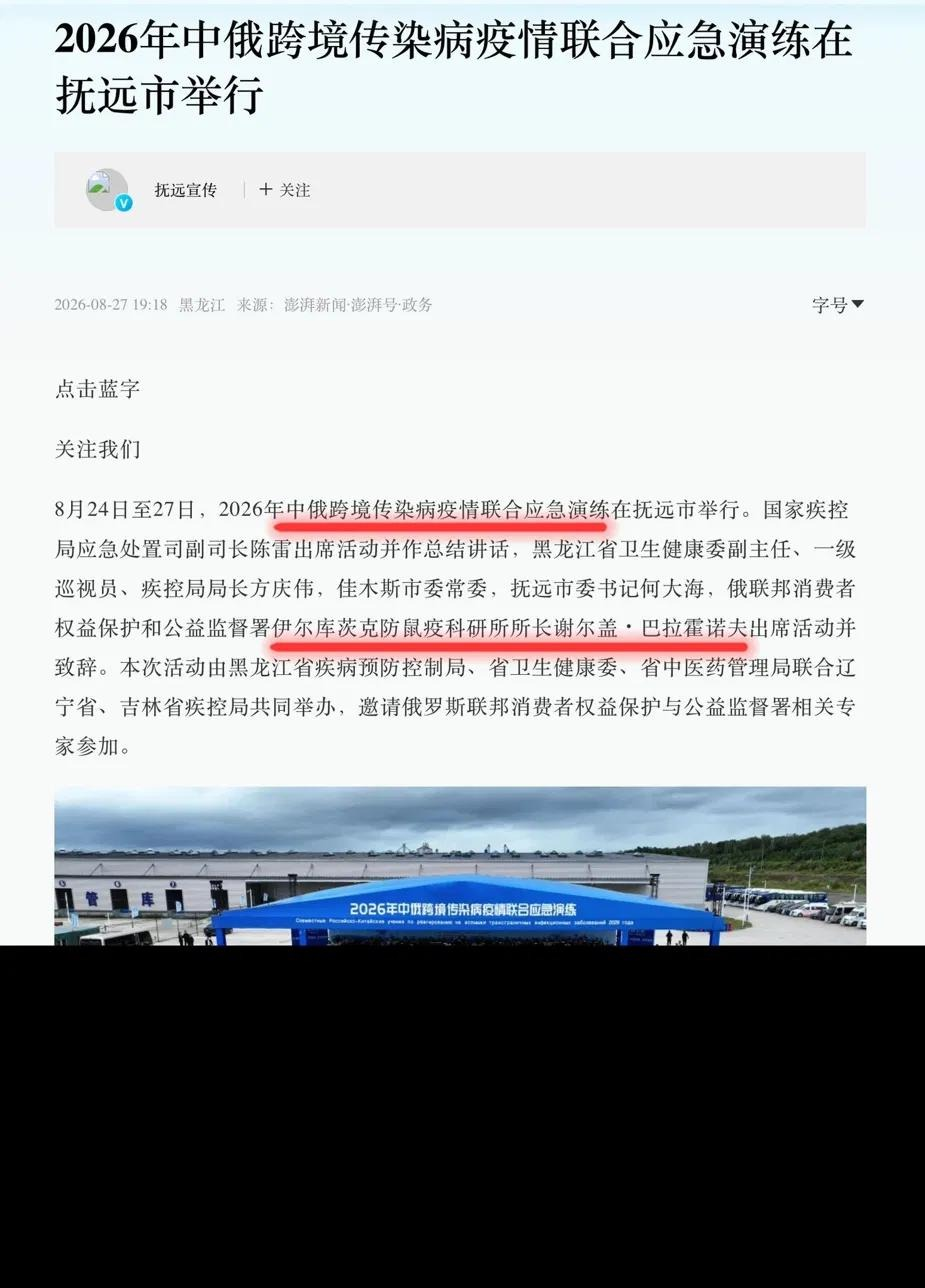
A third similarity between the outbreaks in China and Russia is that epidemic prevention drills had been conducted prior to the emergence of the outbreaks. From 24 to 27 August 2026, China and Russia conducted a joint emergency drill in Fuyuan, Heilongjiang Province, focusing on cross-border infectious disease outbreaks. The event was organized by the Heilongjiang Provincial Bureau of Disease Control and Prevention, the Provincial Health Commission, and the Provincial Administration of Traditional Chinese Medicine—in collaboration with the disease control bureaus of Liaoning and Jilin provinces—and included experts from the Russian Federal Service for Surveillance on Consumer Rights Protection and Human Wellbeing (Rospotrebnadzor). Among the Russian participants was Sergey Balakhonov, Director of the Irkutsk Anti-Plague Research Institute. The drill scenarios included "the importation of plague from abroad and a joint cross-border response," with experts from both nations practicing outbreak notification, joint risk assessment, and the coordination of prevention and control measures. A total of 19 emergency response teams, over 300 personnel, and more than 40 emergency vehicles took part in the exercise.
In retrospect, Sergey Balakhonov’s remarks are somewhat chilling. He stated, "Rooted in good-neighbourly friendship and a strategic partnership, Russia and China have laid a solid foundation for jointly countering various biosafety risks through timely information exchange and collaborative scientific research... Both sides should continue to deepen cooperation in the field of epidemiology, learn from each other's advanced prevention and control experiences, strengthen joint monitoring and early warning systems, refine mechanisms for routine coordinated response, and drive Russia-China biosafety cooperation to greater depth and substance."
Unlike the statements made by Chinese officials, Balakhonov emphasized "biosafety" twice during his speech. In the modern context, "biosafety" refers to the comprehensive management and protection systems adopted by nations and human society to prevent and respond to threats posed by dangerous biological agents (such as viruses, bacteria, and parasites), laboratory pathogen leaks, major emerging infectious disease outbreaks, biological weapons, and bioterrorism.
An outbreak occurred just over a month after the exercise—and shortly after the two sides had formulated plans for biosafety cooperation. How could such a temporal coincidence fail to spark speculation and draw heightened attention from the Chinese people and the global community, especially given their recent experience with the novel coronavirus? In September 2019—prior to the massive COVID-19 outbreak in Wuhan in January 2020 and before the Military World Games were held there—an emergency response drill took place at Wuhan Tianhe Airport. This exercise simulated a real-world scenario involving the detection of a novel coronavirus infection at an airport checkpoint. It covered the entire response process, including epidemiological investigation, medical screening, the setup of temporary quarantine zones, isolation and observation, patient transfer, and sanitary measures. Could this possibly be a coincidence? If the virus had not leaked, who would have suddenly conceived the idea of conducting such a prevention drill?
Beyond the three similarities mentioned above, the handling of the epidemic in both China and Russia shared another common trait: a lack of transparency. Six years ago, the CCP not only concealed the epidemic from its own citizens but also arrested the medical professionals and members of the public who were the first to share the truth about the outbreak. As late as 19 January 2020, the Wuhan Center for Disease Control and Prevention and the National Health Commission were still claiming that the epidemic was "preventable and controllable" and that "limited human-to-human transmission could not be ruled out." It was not until 20 January 2020 that Xi Jinping and Li Keqiang publicly addressed the epidemic for the first time, and Wuhan was locked down on 23 January 2026. By then, however, it was too late; the epidemic had spiraled completely out of control and spread to numerous countries and regions overseas.
Regarding the recent emergence of "unexplained pneumonia" in the Russian Far East, the information provided by Russia has been similarly limited. Russian officials currently claim the situation is under control, stating that the number of respiratory viral infection cases in the Irkutsk region over the past two weeks remains roughly in line with historical averages. Yet, U.S. officials have advised American citizens to leave Russia and avoid traveling there. On what basis did the U.S. issue such a warning?
In a recent interview, when asked by a reporter, "Is the impression you're getting from Russia now the same as the impression you got from China at the start of the COVID-19 outbreak?" President Trump answered in the affirmative, adding, "China didn't say much back then, and Russia isn't saying much now. But they do say the situation is completely under control."
Clearly, the U.S. does not trust the information provided by Russia. Furthermore, Trump stated, "We hope it's not [a biological weapon]." He expressed hope, yet did not rule out the possibility. It remains too early to conclude whether Russia will—as its officials claim—successfully contain the epidemic, or if it will follow the path of the CCP: paying lip service to the situation being "under control" while the virus actually spreads across Asia, Europe, and the globe. Nevertheless, the possibility that this deadly virus originated in a laboratory is a matter well worth investigating.
Has pneumonic plague reached China? Alarming rumors of "city lockdowns" are spreading rapidly across the three northeastern provinces, with urgent calls to stockpile food and prepare "specific medications"
A suspected case of pneumonic plague recently reported in the Siberian region of Russia has drawn international attention. A female laboratory worker at a plague research institute in Irkutsk died recently; while Russian authorities attributed the death to pneumonia of unknown origin, there is external speculation that it could be linked to pneumonic plague. The World Health Organization (WHO) is currently requesting further information from Russia, though Russian authorities have not yet confirmed a link between the death and the plague.
The incident has also raised concerns among neighboring countries. Lithuanian Health Minister Linas Kukuraitis stated that if the suspected pneumonic plague case in Russia is confirmed and deemed a threat to Lithuania, authorities might consider restricting the transit of Russian citizens through the country; however, any such measures would be coordinated with the European Union. He emphasized that the case has not yet been independently verified and that there is currently no elevated risk of an outbreak in Lithuania.
The European Centre for Disease Prevention and Control (ECDC) also stated that there is currently no evidence of a second case or sustained human-to-human transmission, and the overall risk to Europe remains low. The agency noted that while pneumonic plague is a serious infectious disease, it can be treated with appropriate antibiotics, and infection typically requires close, prolonged contact with a symptomatic patient.
Image : The World Health Organization (WHO) is currently requesting further information from Russia, though Russian authorities have not yet confirmed a link between the death and the plague. (Image: Via X @MykhailoRohoza)
The United States has also called on Russia to increase transparency regarding the situation. *The Wall Street Journal* reported that the U.S. State Department has pressured Moscow to fulfill its international health reporting obligations and provide more information about the laboratory worker's death.
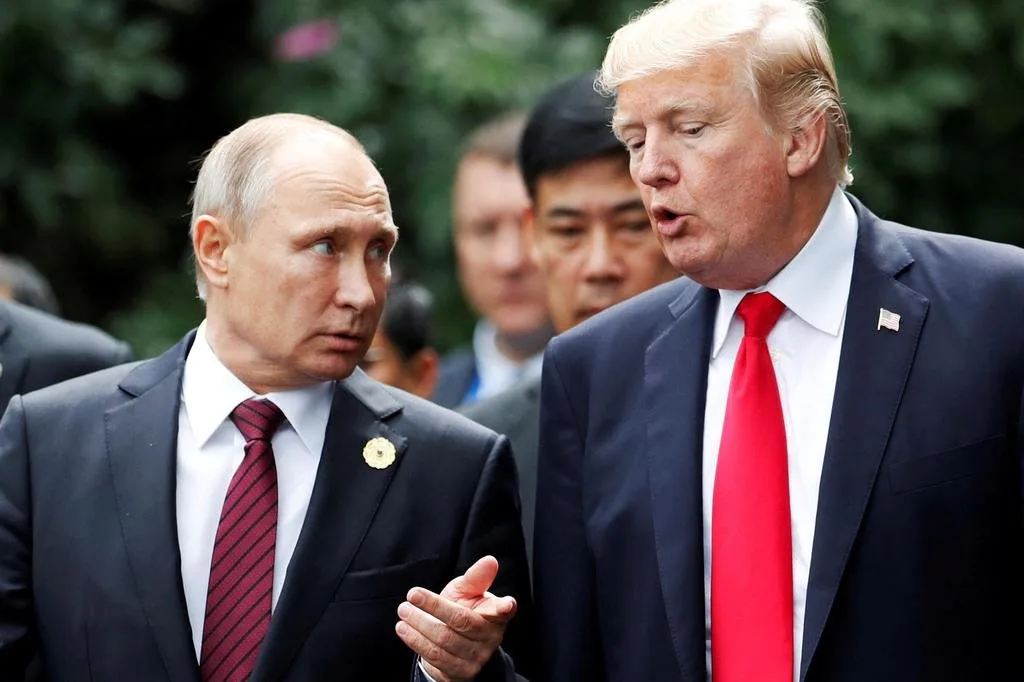
U.S. President Donald Trump has also expressed plans to speak with Russian President Vladimir Putin by phone to discuss the suspected pneumonic plague incident. Russia has indicated openness to arranging the call, though no specific time has been confirmed so far.
Meanwhile, Nikolai Patrushev—an aide to the Russian President and Chairman of the Maritime Board—is scheduled to visit China from October 8 to 13, where he will hold talks with Chinese Foreign Minister Wang Yi. The Chinese Foreign Ministry did not specify whether the talks addressed the suspected pneumonic plague incident in Irkutsk; however, ministry spokesperson Guo Jiakun had previously stated that China and Russia maintain close communication and cooperation regarding the prevention and control of infectious diseases, including the plague.
Meanwhile, a flood of warnings regarding the outbreak has recently appeared on Chinese social media—particularly targeting the northeastern provinces of Liaoning, Jilin, and Heilongjiang. These posts urge residents to stockpile essentials such as rice, sugar, eggs, and canned goods, as well as supplies like face masks, gloves, protective eyewear, and alcohol; some posts even claim that "city lockdowns may be coming" and call on the public to prepare in advance.
US President Donald Trump has also stated that he plans to speak with Russian President Vladimir Putin by phone to discuss the suspected pneumonic plague incident. (Image: Sourced from the X account @whyyoutouzhele; file photo)
Notably, a post from the X account @miaowuqvq even claimed that people should purchase antibiotics such as doxycycline and ciprofloxacin, as well as fever-reducing medication, specifically urging residents of Northeast China to "buy them immediately." However, there is currently no reliable evidence confirming that lockdowns are imminent in Northeast China.
Regarding antibiotics, the U.S. Center for Disease Control and Prevention (CDC) does list ciprofloxacin, levofloxacin, moxifloxacin, doxycycline, gentamicin, and streptomycin as treatment options or post-exposure prophylaxis for the plague. However, actual medication use must be determined by medical professionals based on factors such as the type of infection, exposure circumstances, age, medical history, and drug allergies; these are not drugs that the general public should purchase, stockpile and self-administer.
At present, the WHO and European health agencies are still awaiting further data from Russia, and there is no evidence indicating that pneumonic plague has caused a large-scale human-to-human outbreak in Russia or northern China. Consequently, online reports regarding stockpiling, lockdowns, and the spread of the epidemic should be treated as unverified information.
A post from the X account @miaowuqvq even claimed that the public should purchase antibiotics such as doxycycline and ciprofloxacin, as well as fever-reducing medication, specifically urging residents of Northeast China to "buy them immediately." Image: Sourced from X/@miaowuqvq
WHO presses Russia for facts on plague outbreak; prophetic book's Three Coincidences draw attention
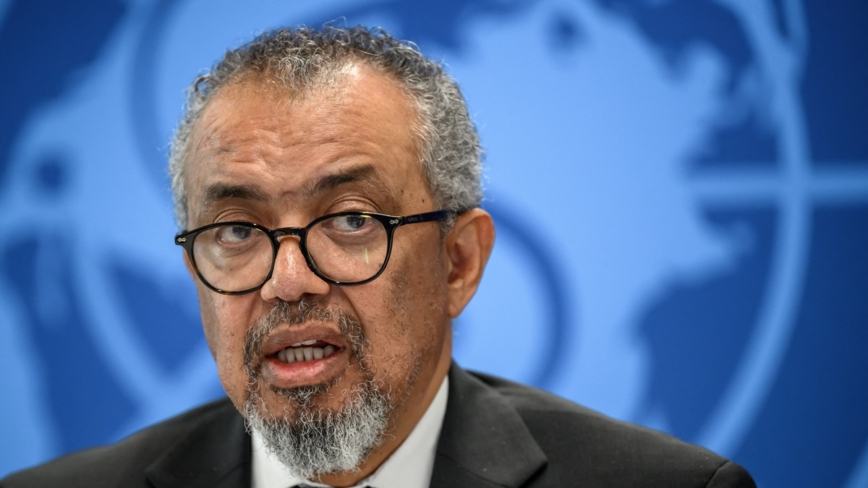
Editor : Liu Ming / Publisher : *News Direct* Production Team / https://www.ntdtv.com/gb/2026/10/08/a104140094.html / Image : World Health Organization Director-General Tedros stated on X that, because the information provided by Russia remains incomplete, the WHO is currently unable to fully assess the risk. (Fabrice Coffrini / AFP via Getty Images)
Questions continue to surround the plague incident in Russia; today (8 October 2026), the World Health Organization once again demanded that Moscow disclose the full facts.
World Health Organization Director-General Tedros stated on X that, because the information provided by Russia remains incomplete, the WHO is currently unable to fully assess the risk.
Tedros noted that on 2 October 2026, media reports revealed a staff member at the Anti-Plague Research Institute in Irkutsk, Russia, was suspected of contracting pneumonic plague and subsequently died from severe pneumonia.
The WHO also learned that Russian authorities held a meeting that same day to discuss a local resident suspected of having a dangerous infectious disease.
The WHO subsequently requested further information from Russia. On the 6th, the Russian side responded that no plague cases had been detected, yet approximately 200 contacts had been placed in quarantine.
Tedros stated that the WHO is seeking details regarding the test results of the deceased and the contacts, the reasons for the quarantine, and the current health status of these individuals.
Additionally, media reports indicated that a second staff member had developed pneumonia of unknown origin; the WHO has also asked Russia to verify this information.
Tedros emphasized that Russia must disclose complete information to clarify the truth.
Trump was recently asked whether this incident involved biological weapons; he stated that he did not believe so at this time. Moscow claims the situation is largely under control but has provided little information. Trump also revealed that he has arranged a call with Putin, hoping to obtain further clarification.
Coincidentally, a new book titled *Biological Warfare* by journalist Annie Jacobsen, published recently, was found by internet users to share three similarities with this incident in Russia.
First, the book features the plague pathogen; second, the story is set in a Siberian laboratory; and third, the plot involving authorities attempting to contain a crisis bears a resemblance to the controversy surrounding the Russian response.
In the book, Jacobson also draws a parallel between the authorities' handling of the biological crisis and the Soviet Union's concealment of the truth regarding the Chernobyl nuclear disaster.
International calls for Russia to disclose plague details; Trump notes CCP also claimed to have situation under control
Amidst suspected pathogen leakage from a Russian laboratory, there are strong international calls for authorities to disclose details regarding the plague outbreak. U.S. President Trump stated he would speak with Russian President Putin. He notably mentioned that the CCP had also previously claimed to have the situation under control—an allusion to the COVID-19 pandemic that caused a global catastrophe. Here is what he said:
U.S. President Trump: "(Is the plague in Russia a bioweapon?) Well, we don't think so. We’ll find out soon, but right now, we don't think so. If you listen to them, they say the outbreak is under control. People have said that about other things before, so we hope that’s the case this time. They are very sophisticated, very smart, and they say the outbreak is completely under control, so we hope that’s true." (We’ve heard that kind of talk before. A few years ago, during your first term. Do you feel the same way now?) "We’ve heard it many times regarding many different things in the past." (Does the sentiment coming from Russia now feel the same as the sentiment from China during the early stages of the COVID-19 outbreak?) "Well, the CCP didn't say much, and Russia hasn't said much either, but they do say they have the outbreak well under control."
Reporter: "Have you spoken with Putin?"
Trump: "I’ve got a call scheduled. It’s his birthday today. Today is Putin’s birthday."
Trump: "(Has Russia provided us with enough information about the situation in Siberia?) They’ve provided some information to our people. We hope they provide more information to our people."
Suspicions of plague in Russia and a Thai psychic's prediction
Daria Shipilova, a 28-year-old laboratory technician at the Anti-Plague Institute in Irkutsk, Siberia, Russia, died suddenly in the early hours of 2 October 2026 in the satellite city of Shelekhov. Russian authorities stated only that she died of pneumonia of unknown origin, but outside observers questioned whether the death was linked to a pneumonic plague infection. Subsequently, rumours of a second death circulated locally, though officials denied it.
A Thai psychic had predicted—as early as the end of last year—a terrifying epidemic "possibly originating from the direction of Russia" that would leave the landscape strewn with corpses. While this prediction has recently resurfaced online overseas, some details were overlooked; this article presents a more complete version.
Thai psychic predicted last year: A terrifying epidemic "possibly originating from Russia"
Mor Plai, a renowned Thai psychic, previously made an accurate prediction regarding a powerful earthquake in Myanmar in March 2025 that would impact Bangkok. More recently, Thailand has suffered from rare, massive flooding affecting 47 provinces and over 4 million people—a disaster she had also predicted in advance.
In a program late last year, Mor Plai predicted that the most terrifying event of 2026 would not be war, but a plague. She did not use the terms "virus" or "infectious disease," but instead referred to a "new thing"—something "never seen before."
When asked by the host whether this was a disease originating from animals or one cultivated in a laboratory and subsequently leaked... Plai explained that the source of this disease lies in a laboratory rather than originating solely in nature; the two elements have "merged," resulting in heightened transmissibility. She emphasized that this information was revealed to her by the divine.
Throughout the interview, Plai repeatedly referred to this as a "hybrid disease," noting that ancient pathogens have become intermingled with components derived from human experimentation.
She stated that the divine showed her the keywords "tuberculosis" and "Black Death."
Plai described the epidemic not as a single, massive outbreak, but rather as a process akin to falling petals or shedding leaves—people will perish in successive waves. Furthermore, the disease will not necessarily strike the entire globe simultaneously; instead, it will initially concentrate in specific regions and countries.
Plai noted that while the situation might not escalate to the point of "total lockdowns where no one can leave their homes," the scenes witnessed would be harrowing: vast numbers of corpses strewn across affected areas—a sight so overwhelming it induces a state of numbness.
She warned that 2026 marks only the beginning; the truly critical phase will unfold in 2027 and 2028, potentially persisting through 2030.
Plai stated that the greatest danger in 2026 is not the all-out war people might imagine, but rather what she terms an "invisible war"—specifically, biological warfare. This type of conflict would not necessarily manifest as nationwide lockdowns or border closures; instead, biological weapons would be released in localized areas as part of an experimental strategy.
She explained that while life might appear normal on the surface, society would see a rise in mysterious illnesses with no identifiable cause—such as intractable pneumonia or severe diarrhea—that baffle the medical system.
When the host asked if these diseases originated in Thailand, Plai emphasized that they did not arise locally but were "brought in from outside."
She pointed out that the pathogen could enter Thailand via foreign air travelers and subsequently spread; the carriers themselves might not even realize they are infected. Plai suggested that the virus "likely originated from the direction of Russia." (Click to watch the related video)
It is worth noting that Plai's predictions have not always been entirely accurate; for instance, she once forecast a severe global communications and technology crisis between August and September of this year—predicting widespread internet outages for major telecom carriers and a massive global system crash—yet no such event occurred.
Nevertheless, the aforementioned prophecy regarding a potential new epidemic outbreak serves, at the very least, as a warning for people to remain vigilant and consider ways to protect themselves.
Russian Institute Involved in Biological Weapons Research
Plai’s prophecy foretold a hybrid epidemic in Russia linked to tuberculosis and the Black Death—an outbreak originating in a laboratory and potentially involving biological warfare—which appears to bear a resemblance to real-world events.
Following the death of Shipilova, a 28-year-old technician at the Irkutsk Anti-Plague Institute, on October 2, nearly 200 people who had been in contact with her were hospitalized for isolation by 6 October 2026. Local media reported that Shipilova likely contracted pneumonic plague after handling a broken test tube. Alexei Tsydenov, leader of the Buryatia Republic (which borders Mongolia), had previously stated that the 28-year-old woman "may have died of the plague."
However, a senior Russian epidemiologist pointed out that staff at the Irkutsk Anti-Plague Institute wear specialized protective gear; the probability of contracting pneumonic plague merely from breaking a test tube is extremely low. Consequently, the official explanation regarding the broken test tube is difficult to substantiate, raising suspicions that the actual circumstances may have been concealed.
Although Russian authorities attributed Shipilova's death to "pneumonia of unknown origin" rather than a suspected plague infection, the city of Irkutsk and its surrounding areas were placed under epidemic control measures. The hospital ward where Shipilova was treated has been quarantined; it has ceased admitting new patients and temporarily suspended patient discharges. The independent media outlet Meduza reported that several hospitals in Irkutsk have implemented a three-week quarantine.
Russian media outlet Altapress interviewed virologist Alexander Chepurnov, who explained that Russia's regulation requiring a 21-day observation period for researchers handling "human-transmissible pathogens" stems from an incident in the 1930s. In that case, an employee at a plague-control institute in Saratov was unknowingly infected; symptoms only appeared after the employee had traveled to Moscow. Neither the individual nor the treating physicians recognized the illness as the plague in time, and all involved ultimately died. The quarantine period currently imposed by the hospitals is also exactly three weeks.
Image : A woman walks past the plague-control institute in Irkutsk on 7 October 2026. (Tatyana Makeyeva/AFP via Getty Images)
The Russian edition of *The Moscow Times*, citing sources, reported that since 1 October 2026, ambulances transporting contacts for medical checks have been accompanied by personnel from the Federal Security Service (FSB). The FSB is Russia's primary national security and intelligence agency and does not typically appear at the scene of routine infectious disease control operations. Such an escort, elevated to the level of national security, has raised suspicions.
Marshall Billingslea, who served as Special Presidential Envoy for Arms Control under President Trump, revealed on the social media platform X that he had worked with Ken Alibek—the number-two figure in the Soviet biological weapons program—after Alibek defected to the United States in the 1990s. Alibek claimed that they had genetically engineered an antibiotic-resistant strain of the plague bacterium and had conducted research on plague chimeras (pathogens created by fusing two or more different pathogens). Alibek specifically noted that the Irkutsk Institute was also involved in this biological weapons program.
Billingslea stated that the recent events in Russia "might not just be 'plague'; it could be something far more terrifying."
The "far more terrifying" scenario Billingslea alluded to likely refers to biological warfare—the deliberate use of pathogens such as bacteria and viruses as weapons against humans.
Just at the end of July this year, a book titled *Biological Warfare*, published in the United States, described an accident at a high-security laboratory in Siberia, Russia, where a genetically modified pneumonic plague pathogen leaked, triggering a systemic collapse and anarchy. Is this merely a coincidence?
What lies behind the China-Russia cross-border infectious disease emergency drill?
Another suspicious circumstance is that just over a month ago—from 24 to 27 August—a joint China-Russia emergency drill regarding cross-border infectious disease outbreaks was held in Fuyuan City, Heilongjiang Province, China; Fuyuan sits directly across the river from Russia. The cross-border drill simulated the response to imported infectious diseases, such as the plague. The facility where the recent fatalities occurred was the very same Russian Anti-Plague Institute in Irkutsk; its director, Sergei Balakhonov, had participated in that "cross-border infectious disease" drill.
Less than two months after the China-Russia border drill on plague response, news emerged that personnel at the involved institution had been infected and died. Many netizens have questioned whether both China and Russia had known all along that an outbreak would occur.
On 18 September 2019, an emergency response drill centered on the novel coronavirus was held at Wuhan Tianhe Airport in China. Three months later, cases of the novel coronavirus appeared in Wuhan—initially identified as "pneumonia of unknown cause." Subsequently, the Chinese Communist Party's massive cover-up of the truth led to a global pandemic that has yet to subside. There has been a persistent theory that the virus originated from a laboratory leak in Wuhan, China. Regarding the outbreak of so-called "pneumonia of unknown origin" in Russia, netizens have asked: "What is the likelihood that China will be affected?"
On 6 October 2026, when foreign media asked whether China had established contact with Russia to discuss cooperation in responding to the outbreak, a spokesperson for the Chinese Foreign Ministry merely stated that China and Russia "maintain close communication and cooperation" in the field of infectious disease prevention and control. What secrets lie hidden behind this bureaucratic response, which lacks any expression of human concern?
Following a fatal case of plague infection among laboratory personnel in Russia, countries such as Uzbekistan, Kazakhstan, Kyrgyzstan and Tajikistan have stepped up quarantine measures and testing to prevent the outbreak from spreading to their own territories. Fortunately, air links between Russia and most developed nations were severed after Russia invaded Ukraine. Yet China—Russia's so-called "good friend"—has granted visa-free entry to Russian citizens.
Both China and Russia are authoritarian regimes that boast of a "back-to-back" partnership; their elites prioritize regime stability over the genuine sanctity of life, leading to virtually identical tactics when it comes to covering up epidemics. However, the people living under CCP rule face an even grimmer situation, as the Party’s information blockades and propaganda-driven lies are far more severe. Should a new viral pandemic strike, those Chinese citizens who recognize the CCP's evil nature will be better positioned to save themselves—for Heaven helps those who help themselves.
This article reflects the views and statements of the author alone.