Direct translation
Who is healthier: someone who needs to urinate frequently after drinking water, or someone who can go half a day without visiting the restroom? It’s better to know sooner rather than later
Editor: Song Yun / Source: "Kuai Zui Lao Fu" (Quick-Tongued Old Fu) / https://www.aboluowang.com/2026/1116/2458271.html
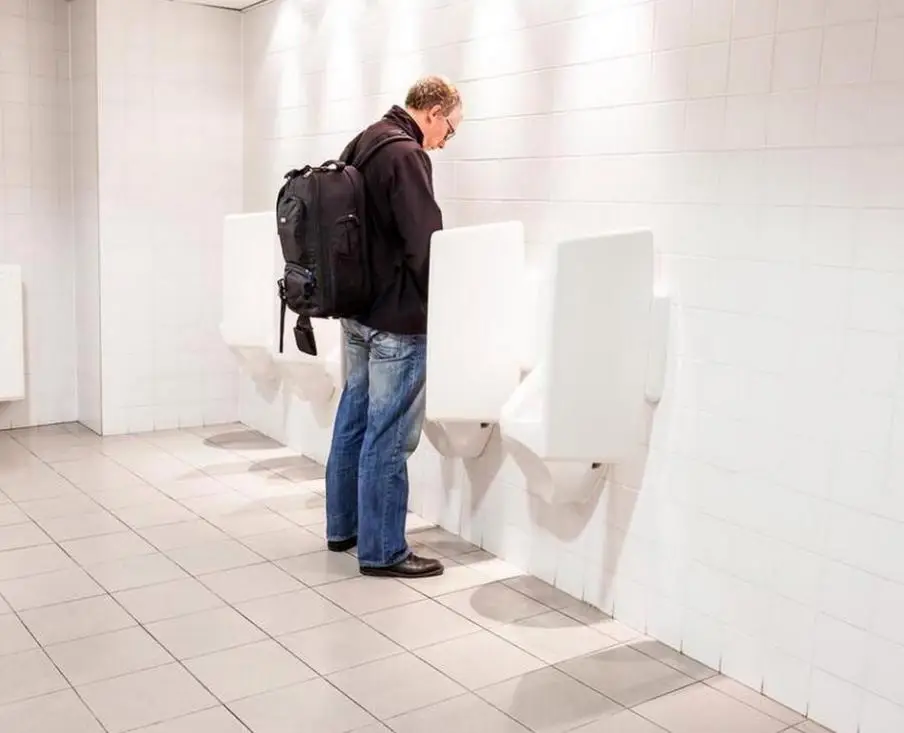
In my clinic lately, many elderly patients have brought up the topic of urination. I often encounter two groups of people who don’t quite understand each other: one group feels the urge to use the restroom the moment they drink water—joking that their kidneys can’t "hold" the fluid—while the other group might go hours without needing to urinate, priding themselves on having a "sturdy" bladder and a resilient body. Both sides often look to me for a definitive answer: which one is actually healthier?
In clinical practice, however, using the frequency of urination as the sole gauge for kidney health or overall physical well-being is a common misconception. Let’s break this down.
First, let’s establish some normal benchmarks for comparison. According to medical consensus, a healthy adult typically urinates 4 to 6 times during the day, with a total daily frequency usually not exceeding 8 times. Waking up 0 to 1 time during the night to urinate is also considered normal.
A 24-hour urine volume typically ranges from 1,000 to 2,000 ml, with a single void of 200 to 400 ml falling within the standard range. Of course, these numbers vary from person to person based on daily water intake, perspiration levels, and the types of beverages consumed; there is no single, rigid "correct" answer.
Let’s address the first group: feeling the urge to urinate immediately after drinking water does *not* mean your kidneys are "leaking". This is a misconception I have to correct in almost every clinic session. Many people assume that if others can go hours after drinking water while they feel the urge almost instantly, it must mean they have a "kidney qi deficiency" or a bladder that can’t hold fluid. In reality, that is rarely the case.
Once consumed, water is absorbed through the gastrointestinal tract into the bloodstream and then filtered by the kidneys to form urine. This process happens quite rapidly, so it is not at all unusual to feel the urge to urinate shortly after drinking.
Furthermore, bladder sensitivity and natural capacity vary from person to person. Most adult bladders have a capacity of 300 to 500 ml; individuals with a smaller capacity or a more sensitive bladder lining may feel a distinct urge to urinate once the bladder contains just 200 to 300 ml.
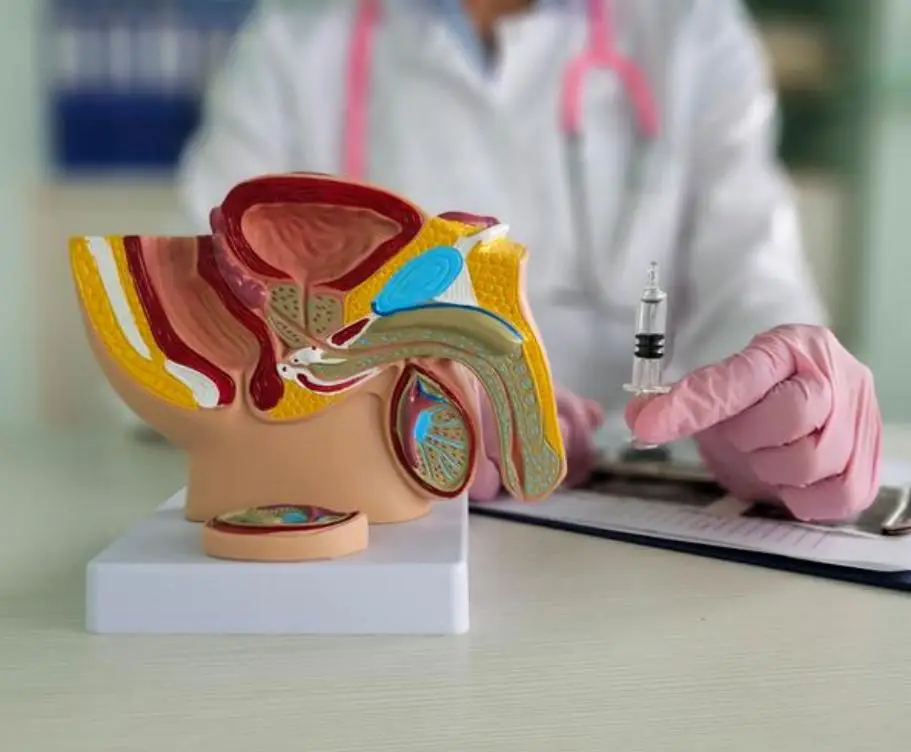
There is also another factor that is frequently overlooked: what exactly are you drinking? Strong tea, coffee, alcoholic beverages, and certain sugary drinks have a diuretic effect, which naturally leads to more frequent urination. Similarly, when you are feeling tense or anxious, you may find yourself needing to use the restroom repeatedly; this is a result of nervous system regulation, not an indication of kidney problems.
It is important to distinguish between normal frequent urination and situations that warrant concern. If you simply find yourself urinating more often after consuming fluids—with a substantial volume each time and no other discomfort—this is usually just a matter of individual variation.
Conversely, the following combination of symptoms should not be dismissed as merely "how your body is": urinating eight or more times a day while the volume per void is less than 250 milliliters; experiencing a sudden, urgent need to urinate, pain, or a burning sensation; noticing red or bloody urine; waking up two or more times during the night to urinate; or, in men, experiencing difficulty starting urination, a weak or thin urine stream, or a lingering feeling that the bladder has not fully emptied.
These signs may point to issues such as urinary tract infections, overactive bladder, benign prostatic hyperplasia (enlarged prostate), or conditions like diabetes (which can cause increased thirst and excessive urination), all of which require further medical investigation.

Context also matters. In hot weather, when you sweat heavily or engage in intense physical activity, more fluid is lost through the skin; consequently, urine volume decreases and the color may appear more yellow—this is a normal physiological adjustment. Conversely, if you consume a large amount of fluid rapidly, your urine output will increase quickly. Therefore, before jumping to conclusions, consider how much you have consumed and how much you have sweated throughout the day; do not mistake normal physiological fluctuations for a medical issue.
Furthermore, going for long periods—such as half a day—without needing to use the restroom does not mean your kidney function is superior. Many people mistakenly believe that the ability to hold urine for a long time is a sign of "strong" kidneys or a robust constitution. This is another common misconception.
There is no positive correlation between the ability to hold urine (or the duration for which one can hold it) and the strength of one’s kidney function. Urine is continuously produced by the kidneys, while the bladder serves merely as a storage vessel; the capacity to hold urine does not indicate better filtration capability. What you should really pay attention to is your total daily urine output and the condition of your urine. If your water intake is normal, yet you rarely feel the urge to urinate, your urine output is noticeably low, and your urine appears dark yellow—or even tea-colored—accompanied by symptoms like dry mouth, tight skin, dizziness, or fatigue, it is a strong indication that you are not drinking enough water or are becoming dehydrated.

Medically, a 24-hour urine output of less than 400 milliliters is classified as "oliguria" (low urine output). This warrants a prompt medical evaluation; do not simply reassure yourself by thinking, "I can hold it."
In clinical practice, I have also encountered people who intentionally hold their urine, believing that waiting until their bladder is extremely full "trains" or strengthens it. This is not recommended. When urine remains in the bladder for too long, it creates an environment where bacteria can multiply.
Furthermore, keeping the bladder excessively full for long periods can impair its function. For middle-aged and older men, the prostate is already prone to congestion, and repeatedly holding urine can further exacerbate difficulties with urination. It is much safer to empty your bladder promptly whenever you feel a clear urge to do so.
So, how can the average person assess their own hydration status? It is best to look at three indicators collectively, rather than focusing solely on the frequency of urination.
First, consider your water intake. According to the *Dietary Guidelines for Chinese Residents (2022)*, in a temperate climate with a low level of physical activity, adult men should consume approximately 1,700 ml of water daily, and women about 1,500 ml. It is best to drink small amounts frequently—opting primarily for plain water or weak tea—rather than relying on sugary drinks, strong tea, or coffee for hydration.

Second, look at the frequency of urination and the volume per void. Compare these against the aforementioned reference ranges to determine whether your output is generally high or low—but do so based on your own baseline, not by comparing yourself to others. Third, observe the color of your urine: a pale yellow or straw-like colour generally indicates adequate hydration, whereas very dark, concentrated urine with a strong odor usually suggests that you haven't consumed enough water.
One final point: needing to urinate shortly after drinking water is nothing to be embarrassed about, nor does the ability to go for long periods without urinating signify superior health. What you should truly be mindful of is when the frequency, volume, and colour of your urine—along with any accompanying symptoms—all point toward an abnormality.
From a clinical perspective, I have two practical pieces of advice: ensure you drink enough plain water throughout the day—small amounts, frequently—and go to the restroom whenever you feel the urge; there is no need to intentionally hold your urine. If you experience frequent or urgent urination, an increase in nighttime urination, reddish-colored urine, or a noticeable decrease in urine volume over several consecutive days, do not jump to your own conclusions. Instead, visit a urologist or a nephrologist for a professional consultation and proper diagnosis.
Middle-aged and older adults, as well as those with diabetes, prostate issues, or underlying heart or kidney conditions, should be especially attentive to any changes in their urinary habits.


No comments:
Post a Comment