Tuesday, August 25, 2026

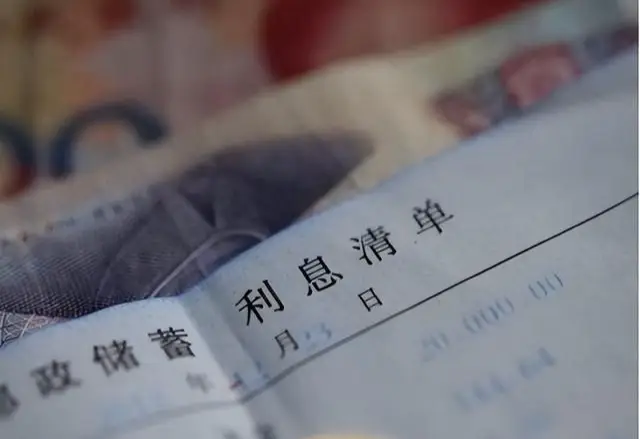
Remember these "4 Don'ts" for fixed deposits

 Direct translation

A bank manager's words reminded me: Remember these "4 Don'ts" for fixed deposits

Editor : Song Yun / Source: Slow Time in a Small Town / https://www.aboluowang.com/2026/0823/2424380.html / Images : Web Screenshots
In the past two years, more and more people around me have been putting their money in the bank.

It's not that people have suddenly become conservative; it's just that reality is what it is: the possibility of unemployment, medical expenses, the pressure of children's education, the anxiety of retirement… each one is like a fine needle pricking the heart of every ordinary family. Add to that the volatility of the A-share market, losses in funds, and the breaking of the implicit guarantee of principal and interest in bank wealth management products, and many people ultimately return to the most familiar option—fixed-term deposits.

But is fixed-term deposit really a "blindly depositing" option?

A bank manager with eight years of experience put it bluntly: In the future, the biggest fear with fixed-term deposits won't be low interest rates, but rather not understanding the rules and falling into traps while thinking it's just "bad luck." He summarized four things to avoid with fixed-term deposits, and many people have unfortunately fallen into these traps.

Below are four points you should carefully check to see if you've made any of them.

1. Don't blindly chase high interest rates: High interest rates may hide risks you can't see.

Currently, the difference in fixed-term interest rates between large banks and small and medium-sized banks is indeed significant:

Some small and medium-sized banks can offer 3% for three-year fixed deposits, while large banks often only offer slightly over 2%.

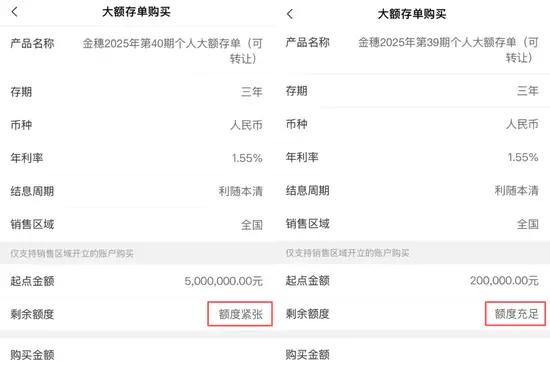
(Aboluowang Editor's Note: Current deposit interest rates in China have entered the "1% range" era. China Construction Bank's posted rates are: 0.05% for current accounts, 0.95% for one-year terms, 1.25% for three-year terms, and 1.30% for five-year terms. Actual rates vary depending on the specific product. A survey conducted by China Construction Bank in August 2026 showed that some private banks' three-year products offered rates of approximately 1.95% to 2.09%, with some exceeding 2%; some rural banks offered rates of approximately 1.58% to 1.90%. The previously common "3% fixed deposit" is clearly outdated, CNR.cn reports)

The problem is that higher interest rates do not necessarily mean "more cost-effective," nor do they necessarily mean "safer."

In recent years, many small and medium-sized banks have indeed been merged or restructured due to operational issues. If you deposit a large sum of money for a high interest rate, the worst part isn't the lost interest, but the anxiety of not being able to sleep soundly when you start worrying about the safety of your money—an anxiety that interest rates simply cannot compensate for.

Ultimately, depositing money is about peace of mind. Don't sacrifice your mental well-being for a little extra interest.


2. Don't ignore the deposit term: too short and you won't earn anything, too long and you won't need the money, and any action you take will result in a loss.

Many people focus solely on one point when depositing in fixed-term accounts: the longer the term, the higher the interest rate.

However, bank managers offer a realistic warning: choosing the wrong term often leads to losses in two directions.

Too short a term: the interest rate is pitifully low, tying up your funds with very limited returns;

Too long a term: for example, a 5-year deposit may seem to offer a high interest rate, but if you urgently need the money and withdraw early, the interest rate will often be only equivalent to that of a current account, resulting in a more significant loss.

What's truly agonizing is the feeling of "the money is there, but I can't touch it." If an emergency occurs at home, you'll find that fixed-term deposits aren't "impossible to withdraw early," but rather that "early withdrawal makes your previous commitment seem worthless."

Therefore, before depositing, ask yourself: am I really sure I won't need this money within this period?

Unless the answer is 100% certain, don't extend the term too much.


3. Don't put all your money in fixed-term deposits: Fixed-term deposits are stable, but they lock up your life's flexibility

Many people interpret the "stability" of fixed-term deposits as "the safest," so they simply deposit all their money in them at once.

This is precisely the most common and most regrettable way to save.

The characteristic of fixed-term deposits is locking up funds—they are stable, but inflexible. If you lock up all your money, you'll immediately be in a passive position if you need to access funds in an emergency: either withdraw early and lose interest, or borrow money everywhere to tide you over, feeling frustrated and even tighter on cash.

The advice from bank managers is actually very simple: allocate your money reasonably.

Put a portion in fixed-term deposits for stable returns, and keep a portion in liquid cash to deal with emergencies.

This isn't about taking risks, but about having a "contingency plan." True security is never about locking up your money, but about being able to access, manage, and withstand any situation.


4. Don't easily believe in "deposits turning into insurance": You think you're saving money, but you're actually buying something else

This is the point that many people fall into the most traps with, and the one they find hardest to admit.

Some bank employees package insurance as "high-interest deposits," using similar sales pitches:

"Higher returns than fixed deposits," "More cost-effective," "Very safe," "Get your money back when it matures."

However, once you buy it, you might find that the returns don't meet your expectations; more importantly, early surrender often results in a significant loss. Every year, many people fall victim to this, only realizing afterward that they thought they were making a deposit, but they actually bought an insurance product.

Therefore, you must remember this:

You can accept lower returns, but you cannot accept "buying something without understanding what you've bought."

At the counter, anything that looks "like a deposit" should be thoroughly investigated to determine whether it is a fixed deposit, insurance, or other investment product. Don't let embarrassment lead to years of regret.


Remember these "4 Don'ts," and you've already won half the battle in fixed deposits.

Combining these four points, you'll find they all share one common thread:

Don't let "wanting to save time" turn into "unwittingly taking on risk."

Not chasing high interest rates is to avoid jeopardizing your financial security by relying on the success of others' businesses;

Not ignoring the term is to prevent future financial needs from forcing you to withdraw funds early;

Not putting all your money in fixed-term deposits is to leave room for cash flow in your life;

Not treating savings as insurance is to avoid being taken advantage of due to information asymmetry.

The material also clearly states: Banks adjust deposit rules ultimately to protect depositors' rights but no matter how the rules change, the most crucial thing is for you to "understand, ask questions, and act responsibly."


Economic pressure on Iran, the U.S. is in control of the Strait of Hormuz

 Direct translation

Breaking News! Rubio reveals major information

Editor : Fang Xun / Source: World Journal / https://www.aboluowang.com/2026/0826/2425619.html /  Image : An anti-American poster on a street in Tehran, Iran, photographed on 24 August 2026. (Associated Press)
Axios reported on the 25th that a U.S. official and another source familiar with the matter revealed that Secretary of State Rubio recently told several foreign ministers that the U.S. "currently" does not expect to launch a new attack on Iran, and will instead focus on other pressure tactics, including the sanctions announced this week.

The sources indicated that Rubio outlined the Trump administration's current Iran policy, including temporarily avoiding military action, increasing economic pressure through a naval blockade and new sanctions, and transporting as much oil as possible into the global energy market via the Strait of Hormuz. However, U.S. officials stated that while Rubio clearly stated the U.S. has no plans to resume large-scale warfare, he did not rule out a strike should Iran launch a preemptive strike.

Axios pointed out that the U.S. believes the naval blockade is strangling Iran while allowing more and more oil to be transported through the Strait of Hormuz. All indications suggest that President Trump is annoyed by the U.S.-Iran war and wants it to end, at least for now. A U.S. official stated that the U.S. is expected to maintain this policy at least until after the midterm elections, after which new military action may again become an option.

Furthermore, U.S. officials stated that most of the mines in the Strait of Hormuz have been cleared, and the increasing number of oil tankers passing through the southern channel in recent weeks has significantly weakened Iran's ability to influence global energy markets. Another U.S. official described the U.S. mine-clearing of the Strait as a watershed moment in the US-Iran war, essentially eliminating one of Iran's main bargaining chips. The official said, "The Iranians have lost control of the Strait; now the U.S. is in control."

Meanwhile, the maritime blockade is also cutting off a vital source of revenue for Iran. U.S. officials stated that almost no oil tankers have been spotted on Kharag Island, Iran's main oil export hub, in the past two weeks.

U.S. officials stated that the situation in the Strait, coupled with the continued increase in oil shipments from the Persian Gulf, has deprived Iran of a crucial bargaining chip in future negotiations, rendering any potential agreements between Oman and Iran involving the Strait irrelevant. One U.S. official said, "We are not negotiating with Iran now; we are pressuring them. This pressure may force the Iranians back to the negotiating table."

Lai Ching-te : NT$5,000 monthly growth allowance for children aged 0-18

 Direct translation

The CCP certainly wouldn't dare let people inside the Great Firewall know this
----Taiwan President Lai Ching-te announces: NT$5,000 monthly growth allowance for children aged 0-18

Reporter : Wang Duruo / Editor: Fang Xun / https://www.aboluowang.com/2026/0824/2424760.html / Image : Web Screenshot

Republic of China (Taiwan) President Lai Ching-te announced that the government will fully implement the "0-18 year old growth allowance" policy. Each eligible child and teenager will receive NT$5,000 per month (approximately RMB 1,057 or USD 157) to address the challenges of a declining birth rate and support family upbringing.

This policy is one of the core measures of the "Taiwan Population Countermeasures New Strategy – Family Support Chapter." Lai Ching-te first proposed it in his second-anniversary address on 20 May 2026, and formally announced the complete plan with his presidential and executive team on 27 May 2026.

The distribution will be implemented in phases: 0 to under 6 years old: NT$5,000 per month (approximately RMB 1,057 or USD 157) will be paid to the family in full in cash for parents to use as they see fit (e.g., for expenses such as formula, diapers, and childcare).

Ages 6-18: Of the monthly NT$5,000 subsidy, NT$2,500 (approximately RMB 529 or USD 78.50) is provided to families to ease their financial burden, while the remaining NT$2,500 is pre-deposited into a "Child and Youth Development Subsidy Account." This account is managed and invested by a professional financial team entrusted by the government, guaranteeing at least a two-year fixed deposit interest rate. The subsidy can be withdrawn in a lump sum when the child turns 18, serving as a "coming-of-age gift" from the government to the youth (the accumulated amount in the account is at least approximately NT$360,000, equivalent to approximately RMB 76,000 or USD 11,300).

The government estimates that from birth to adulthood, the government invests at least NT$1.08 million (approximately RMB 228,000 or USD 34,000) per child through this subsidy. The policy adopts a universal distribution principle, without exclusion of the wealthy, and can be received in conjunction with existing childcare subsidies and childcare allowances for children aged 0-6. The total monthly subsidy for children aged 0-6 can exceed NT$10,000 (approximately RMB 2,100).

The Executive Yuan stated that the relevant budget is approximately NT$200 billion annually (approximately RMB 42.2 billion or US$6.3 billion), and has been planned to be included in the 2027 central government budget, with formal implementation expected as early as 2027. Lai Ching-te emphasized that this move is an investment in the nation's future, hoping to encourage young people to dare to marry, have children, and raise children, to dare to pursue happiness, and to ensure that the fruits of economic growth are shared across generations.


China hospitals do not expose 14,000 cases of paraquat poisoning!

 Direct translation

A terrifying story circulating wildly in mainland China: Four thousand dead! He took them down with a single needle!

Reporter : Wang Duruo / Editor: Fang Xun / https://www.aboluowang.com/2026/0825/2425201.htmlImage : Web Screenshot
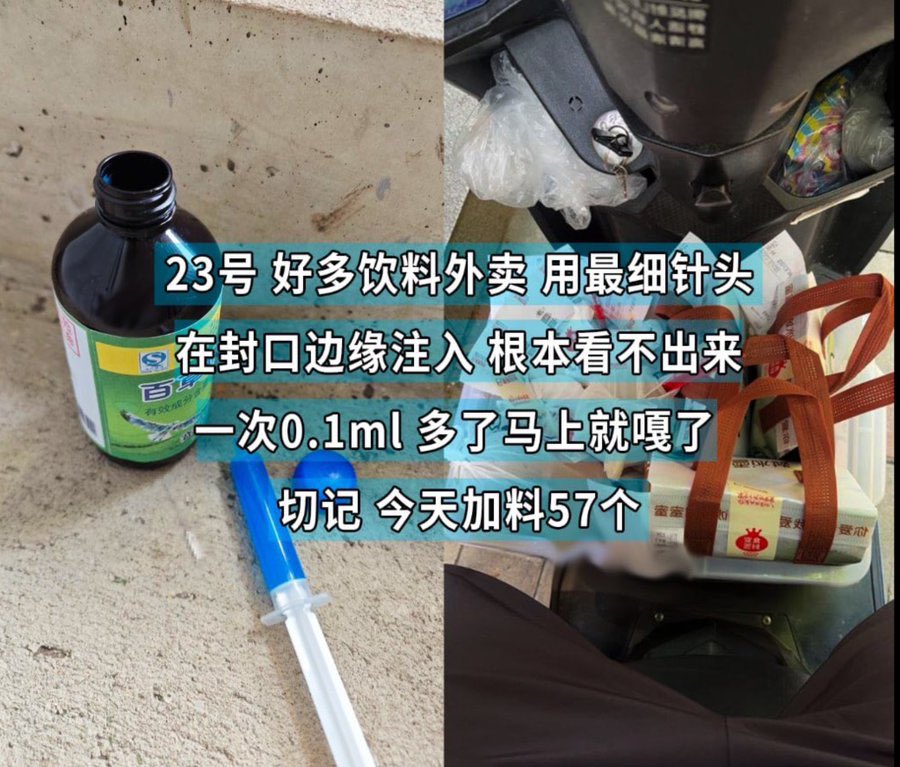
Recently, several reports about food poisoning in Chinese takeout food have been circulating on overseas social media platform X and some Chinese websites. Related video footage shows a person using a syringe to draw liquid from a bottle labeled "paraquat," then claiming to add it to takeout food or drinks, and urging others to do the same. However, whether the liquid in the video is indeed paraquat, whether it was actually added to takeout food, and whether it caused any actual injuries or deaths cannot be independently verified at present.

The earliest related reports appeared around 22 August 2026. On 22 August, when the X platform's "Luo Xiang Breaks the Curtain and Pushes the Wall" first forwarded the related reports, it already included a chat screenshot and video. The person who posted the screenshot claimed to be a victim of a rural bank in Henan, who had to work as a takeout delivery driver because he could no longer make a living. He claimed to have "added something" to some people's food and milk tea, and filmed the incident, urging hundreds of people to pay attention or learn from it.

On 23 August, the account "Makkabaka" also posted a report alleging that a takeout beverage had been spiked. The account claimed that someone had added "0.1 ml" of what appeared to be paraquat to the delivered drink, and included related video footage.

However, the extent of harm from "0.1 ml" cannot be determined solely by volume. It depends on the concentration of the herbicide, whether it actually contains paraquat, the method of ingestion, and the actual dose ingested. Even if the specific level of harm cannot be confirmed, this number should not be interpreted as "very little and harmless." Paraquat poisoning can cause damage to the mouth and digestive tract, acute kidney and liver damage, followed by severe lung damage, respiratory failure, and irreversible pulmonary fibrosis. Survivors may also suffer from sequelae such as lung scarring, kidney failure, heart damage, and esophageal scarring. The U.S. Centers for Disease Control and Prevention (CDC) data points out that there is no proven antidote for paraquat poisoning, and long-term damage may include lung scarring, kidney failure, heart failure and esophageal scarring. 

On 24 August 2026, the "Luo Xiang Breaks Down the Curtain" online forum received another submission from a netizen, including a WeChat screenshot claiming to be from an "insider at a top-tier hospital." This person claimed that the hospital had seen a sudden increase in paraquat poisoning patients in the past year; previously, they "didn't see many," but this year over 4,000 people have died and over 10,000 are in serious condition. They also claimed that many cases are believed to be related to ordering takeout, and the hospital "has no authority to investigate," and related information is not shared with other hospitals.

This person claiming to be a hospital insider also claimed that the police had come to the hospital "wave after wave" to handle the case, but "cooperated time and time again, it was just a formality," with no funding or willingness to conduct in-depth investigations, ultimately leading to nothing being resolved.

CCP China has banned the sale and use of paraquat liquid since 2016 but illegal and counterfeit pesticides can still enter the market. If someone has indeed added highly toxic substances like paraquat to takeout food, it would no longer be an ordinary dispute, but could constitute a serious crime endangering public safety. Henan rural bank depositors have indeed been fighting for their rights for a long time, but no grievance or economic hardship can justify harming innocent consumers.

If consumers find that beverage seals are broken, packaging is abnormal, or there is a suspicious odour, they should immediately stop consuming the beverage, keep the order, packaging, and relevant videos, and promptly report the incident to the police and seek medical attention.


Tao Miao/👁️☠️A rumor circulating online claims that in the CCP regime, delivery workers who are usually bullied have invented a method of revenge: injecting paraquat into beverages through the bottle cap. This may be true; according to incomplete hospital statistics this year, there have been 4,000 deaths and over 10,000 serious cases.🔥

Vulnerable groups have started a "mutual harm among the lower classes" mode, with increasingly ruthless methods.😱

Go and deal with the CCP elites who oppress you!‼️‼️


Luo Xiang~Breaking the Curtain/💥Important Netizen Submission:

Henan rural bank protesters added substances to food deliveries while delivering orders! 💥Original Poster's Comment: This is terrifying! The nature of this incident is simply too heinous and horrifying. While it's acceptable to express grievances through legal channels, no matter what injustices are encountered, innocent businesses and ordinary consumers should not be dragged into it, and food safety and the health of others should never be used as a means of venting anger!

The purpose of protecting one's rights is to seek justice, not to harm the innocent. If there's an injustice, find the responsible party; if there's a grievance, use legal channels. Never let innocent people pay the price for someone else's conflict!

💥What do you all think about this: If someone shifts the blame to innocent consumers during the rights protection process, what legal responsibility should they bear?

(Disclaimer: I am only responsible for sending submissions from netizens and cannot verify them!)

Luo Xiang~ Breaking the Curtain/Oh my god, another one! Is this takeout still safe to eat?

This is too wicked!


Allow wheelchair users to board last to stem wheelchair usage privilege abuse

 Report by : Gan Yung Chyan, KUCINTA SETIA            Images : X Screenshots


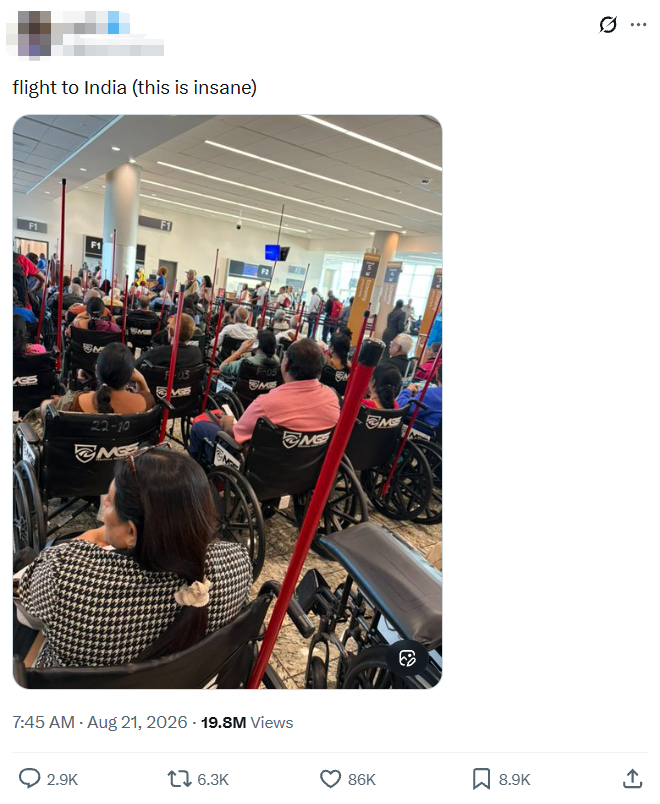
A recent photo has sparked heated discussion on Indian media and social media platforms. The post, captioned "This is a flight to India," shows a large number of passengers queuing near the boarding gate to use the airport's wheelchair service.

The original post has garnered over 19.7 million views, 86,000 likes, over 6,300 shares, and nearly 3,000 comments on X platform. It has also been widely shared on Facebook, Reddit, and other platforms.

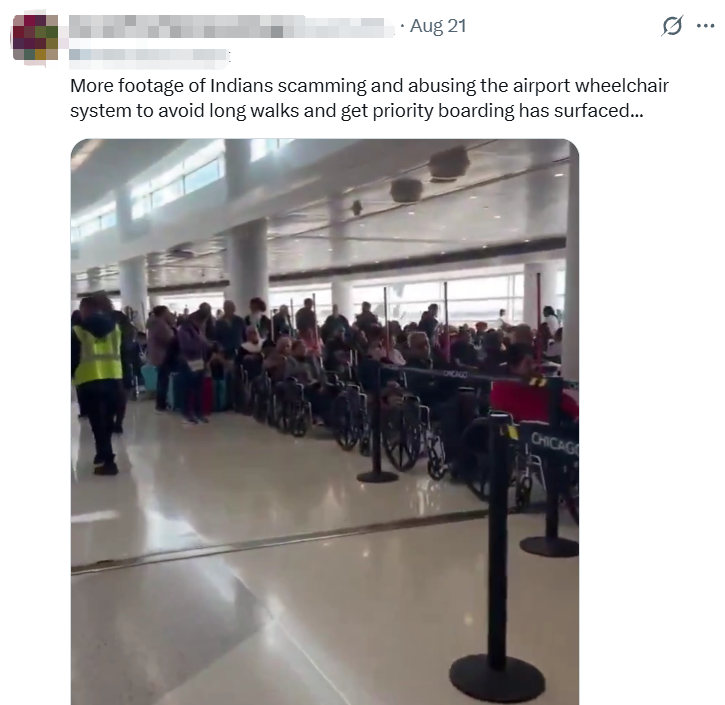
Netizens have questioned the practice, pointing out that many of these passengers are not actually disabled. Many shared photos of long queues of Indian passengers in wheelchairs at various airports.


Some netizens commented that this behavior actually harms passengers with disabilities.

If the airport announces that due to the large number of wheelchair passengers, boarding will be delayed, then 80% of people will get up and walk away.

A simple solution: Allow wheelchair users to board last.

The original purpose of airport wheelchair and assistive services is to provide necessary assistance to the elderly, disabled, and passengers with mobility impairments to cope with the challenges of long walks and transfers.

The massive influx of wheelchair requests not only places a heavy burden on airport ground staff and flight attendants but also exposes genuinely needy individuals to resource constraints and service delays.

This phenomenon is particularly prevalent on certain long-haul routes to and from India, sparking widespread debate about whether this accessibility service is being abused for priority boarding or expedited immigration clearance.

An Indian business executive stated that Air India receives over 100,000 wheelchair requests monthly. On its flights to and from the U.S. and UK, approximately 30% of passengers request wheelchair access. One flight from Delhi to Chicago in February received a staggering 99 wheelchair requests.

The executive pointed out that under the U.S. Air Services Act, airlines are prohibited from requiring passengers to provide medical documentation to allow wheelchair use. The same applies to Indian regulations. This service is free. Users enjoy priority boarding, staff assistance throughout the process, and faster processing at immigration. These conveniences attract many able-bodied passengers.

He stated that many elderly passengers on flights between India and the United States travel to the US to visit their children or return home with their grandchildren. Airports like Newark, JFK, Chicago, and Delhi are vast, and the walk from the check-in counter to the boarding gate can be as long as a kilometer, not to mention the long queues for immigration. Wheelchairs are a real need for these elderly passengers.

The executive mentioned that in 2024, an 80-year-old man at Mumbai Airport was unable to access wheelchair service and had to walk from the plane to the terminal, ultimately dying from exhaustion. The airline involved was heavily fined by the Directorate General of Civil Aviation of India.

Thursday, August 20, 2026

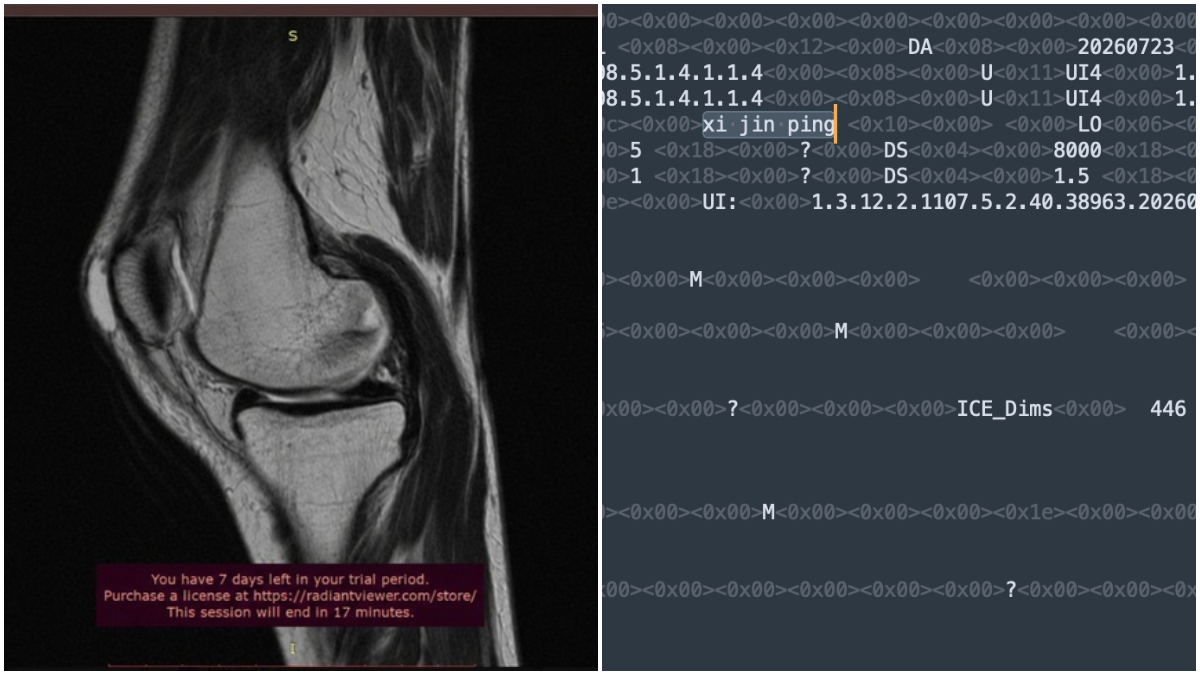
Hackers released an X-ray image of Xi Jinping's knee on 18 August 2026

 Direct translation

Two hackers breached the 301 Hospital! They released Xi Jinping's most secretive image
—Hackers claim to have breached the 301 Hospital and released an X-ray image of Xi Jinping's knee

Editor : Fang Xun / Source: NTD Television / https://www.aboluowang.com/2026/0821/2423498.htmlImage : On 18 August 2026, it was rumoured online that hackers had breached Beijing's 301 Hospital and released an MRI image of Chinese Communist Party leader Xi Jinping's right knee. (Image source: X account "NetAskari")

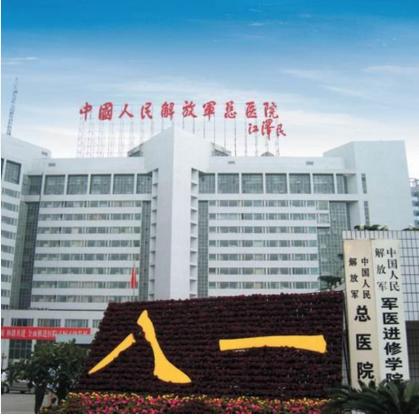
Recently, a hacker claimed to have successfully infiltrated Beijing's 301 Hospital, downloading over 400GB of data and releasing what is purportedly an MRI image of Chinese Communist Party leader Xi Jinping's right knee. The authenticity of this news is currently unknown.

On 18 August 2026, independent cybersecurity and open-source intelligence researcher "NetAskari" posted on the X platform that hackers claimed to have breached Beijing's 301 Hospital (General Hospital of the People's Liberation Army) and stolen over 400GB of data. However, the tweet emphasized that the authenticity of this data cannot be verified at this time.

"NetAskari" had previously exposed the CCP's establishment of a massive "foreign personnel dynamic monitoring platform" targeting foreign nationals and foreign journalists stationed in Beijing, thus attracting attention from several international media outlets. Beijing's 301 Hospital is an important healthcare base for the CCP's top leadership.

NetAskari also posted three screenshots in its tweet. One screenshot, seemingly showing a server file directory or network storage (NAS) interface, displays a list of files stolen by the hackers. The screenshot shows that these files come from a folder named "imagesbackup," totaling 452.29GB and containing 13,096 files, mostly compressed in zip format and named with the surname in pinyin.

Another screenshot appears to be a copy of Xi Jinping's most recent MRI scan (DICOM format), showing the examination date as approximately 2:50 PM on 30 July 2026. The file lists the patient's name as "Xi Jin Ping," born on 15 June 1953, with medical record/examination number "60575," the examination unit as 301 Hospital, the examined area as the right knee joint, and the scan as a "T2-weighted fast spin-echo sagittal section" scan that quickly displays the body's anatomical structure and lesions.

The photos also showed the message "Your trial period has 7 days left," suggesting that hackers may have been using free software to view the DICOM file.

Another screenshot showed a string found in a document search, indicating a patient named "Xi Jin Ping," who appeared to have undergone another examination on July 23rd of this year; the medical record/examination number was "60482."

Some netizens discussed these screenshots. Some found the use of pinyin "Xi Jin Ping" instead of Chinese characters suspicious, questioning the authenticity of the file. However, some medical professionals responded that due to compatibility issues with Siemens MRI systems, DICOM files generally use Latin letters instead of other characters. Other netizens commented that the system's security is indeed relatively low.

Furthermore, some netizens argued that medical records of high-ranking CCP officials are "top secret," making it impossible for hackers to steal them so easily. However, renowned writer Yang Weilong stated that top CCP secrets have been stolen by hackers in the past and sold online.

He cited an example: In February of this year, the hacker group "FlamingChina" announced on an anonymous Telegram channel that it had stolen 10PB of data from over 6,000 client organizations at the National Supercomputing Center in Tianjin, China. This included numerous highly classified defense documents, missile design blueprints, nuclear fusion simulations, and bioinformatics data. Several cybersecurity and information security researchers, after evaluating samples of the leaked documents, preliminarily determined the leak to be genuine.

                               
Image : Web Screenshot

The stories of those stranded and quit before China's new entry and exit regulations took effect

 Direct translations

Before China's new entry and exit regulations took effect, those who were already stranded

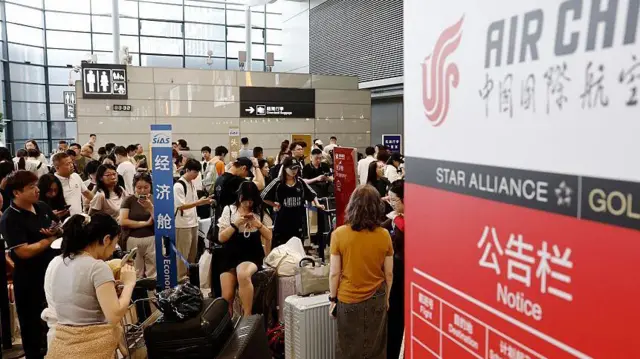
Editor: Zhongkang / Source: BBC / https://www.aboluowang.com/2026/0820/2423277.htmlImage : On 9 August 2026, passengers waited to collect their checked baggage at Terminal 2 of Shanghai Hongqiao International Airport.

2026年8月9日,旅客在上海虹桥国际机场2号航厦等待提取托运行李。

Li Ming (pseudonym), from Hunan, has been struggling for two months to protect his rights regarding leaving the country.

Li Ming is 25 years old. In June, while traveling in Malaysia, he received a call from the local police station. Li Ming claims they demanded he return to China within three days, or they would label him a "fraudster" and cancel his household registration. To prove his innocence, Li Ming quickly booked a flight back to China.

However, he did not expect that this time he would be unable to leave again—without prior notice, Li Ming was listed as a "high-risk fraudster" by the immigration authorities. "I can't leave the country, not even to Hong Kong or Macau."

He began seeking redress, visiting the police station every few days, calling the mayor's hotline, and spending 6,000 yuan on a lawyer, but has yet to receive a resolution.

At the end of July this year, China announced new entry and exit regulations to be implemented from 15 September 2026, including empowering border control personnel to "dissuade" citizens from leaving the country, causing considerable public concern about restrictions on freedom of travel. In reality, even before the new regulations were introduced, many people, from civil servants and state-owned enterprise employees to ordinary citizens, were already unable to leave the country due to passport confiscation and being blacklisted.

Wu Lei (real name Li Jinxing), a Chinese human rights lawyer currently residing in Japan, was previously restricted from leaving the country for six years by the Chinese authorities on charges of "endangering national security." He told BBC Chinese that he was not surprised by the new regulations, but rather did not understand why the public was "making a fuss"—"Hasn't China always done this?"

Listed as a "fraud suspect" after traveling in Southeast Asia

This was Li Ming's first trip abroad.

In August 2025, Li Ming used money he had saved in China to travel to Southeast Asia. He said he did not set a return date, intending only to "spend all the money and then go back home." He departed from Guangzhou, first going to Malaysia, then Indonesia and Cambodia. During these nearly ten months, he traveled while also working to earn money, working as a hotel security guard and in a logistics centre.

Li Ming said he was surprised when he received a call from the police station in June, wondering, "How did they know where I was?"

Faced with the request to return, he did not immediately agree, but first sent his family to the police station to inquire. According to Li Ming, his family said the police were forceful and said they would "persuade everyone overseas to come back." Li Ming did not understand why, but he said the police had promised on the phone that if he returned, he could leave the country again in two days.

However, the day after returning to China, seven or eight police officers came to Li Ming's door. The police kept taking pictures of him and questioned him about his travel itinerary in detail. Li Ming felt like a "prisoner."

One of the officers told Li Ming, "Now that you're back, you shouldn't go out again." Li Ming was taken aback and asked why. The officer replied, "China is good; it's not safe for you to go abroad."

Li Ming did not think much of it and went to the immigration department to apply for a Hong Kong and Macau travel permit, only to be told by staff that he was listed in the system as a "high-risk person suspected of telecom fraud" and could not leave the country. “I am very sad and distressed… I was put in this situation without my knowledge.”

BBC Chinese could not independently verify this statement. However, according to publicly available information, Chinese citizens currently cannot check their border control status themselves—unless officially notified in writing or verbally, citizens generally only learn of their travel restrictions when applying for documents or attempting to leave the country.

Li Ming's experience is not an isolated case.

Starting this year, numerous posts on social media have indicated that after returning from trips to Southeast Asia, individuals received calls from the police requiring them to register and were placed on a “list of suspected fraudsters.” BBC Chinese's review of publicly available information revealed that since at least 2021, some individuals have been restricted from leaving the country due to being listed on high-risk lists for telecom fraud.

Some netizens believe that border controls are related to “sensitive places of residence.” The Chinese Communist Party has been cracking down on fraud in recent years, and has previously publicly released lists of key areas for combating telecom fraud, specifically naming provinces such as Fujian, Guangxi, Hainan and Henan.

Li Ming knew his registered residence in Hunan Province was on the "list," but "there are many people from Hunan who are legitimately doing business there (in Southeast Asia)." What conflicted him was that "I even provided a certificate of no criminal record."

In Li Ming's view, the authorities could not differentiate between groups; "it's a blanket approach, labeling everyone as a fraudster."

The Chinese Communist Party (CCP) has not published the criteria for including those suspected of fraud on the list. However, those listed must "prove their innocence" by submitting proof of employment, salary slips, and other documents to the Public Security Bureau for verification before they can be removed from the list.

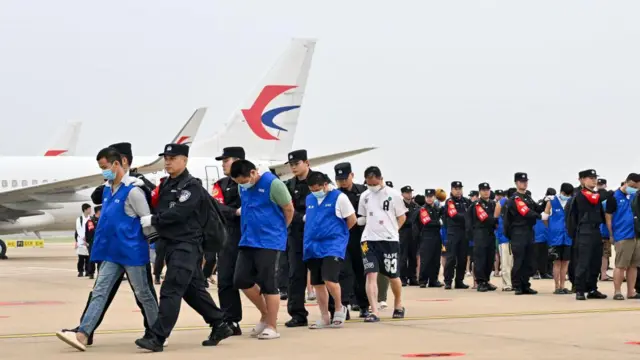
2024年4月13日,在湖北省武汉天河国际机场,涉嫌赌博和诈骗的中国籍嫌疑人在警方的押解下抵达。
Image : On 13 April 2024, Chinese suspects involved in gambling and fraud arrived at Wuhan Tianhe International Airport in Hubei Province under police escort.

In recent years, China has vigorously cracked down on telecom fraud, extraditing fraud suspects from Cambodia back to China.

"No way to protect my rights"

The potential reasons for being subject to border controls are not only regional factors.

Pipi, 26, gave an interview to Hong Kong media during the anti-extradition bill movement. After returning to China, Pipi claimed he was questioned by the State Security Police (China's national security police). “The village committee calls me every now and then to ask what I’m doing.”

After China resumed international travel in January 2023, he tried to apply for a passport, but the relevant department has refused to process his application.

Currently, China’s Exit and Entry Administration Law lists six situations in which citizens are prohibited from leaving the country: those holding invalid documents, defendants in criminal cases, those involved in unresolved civil cases and whose courts have decided against leaving, those deported from other countries and restricted from leaving, those endangering national security, and other situations where leaving the country is prohibited by laws and administrative regulations.

For the past three years, Pipi has been shuttling between the local police station and the immigration department, seeking only a reason for the passport application being refused. He said that a local immigration officer explicitly told him, “It’s because of the Hong Kong issue.” However, the officer only gave verbal instructions and never provided any written documentation.

“If he gave me official documents, I could apply for administrative review. (But) he just said one thing: you can’t go.” Pipi is helpless: “I talk to him about the law, but he doesn’t talk to me about the law.”

Li Ming also stated that the departments he has been dealing with have never provided any written proof. “In China, there is no way to seek redress by restricting exit from the country,” Chinese human rights lawyer Wu Lei stated unequivocally.

According to China’s Administrative Licensing Law, when an administrative agency decides not to grant an administrative license, it should provide a written explanation of the reasons—but it is widely believed that this is not strictly enforced in practice.

Wu Lei has been subject to border control in China since 2013 without ever receiving written notification from the authorities. He describes this as a “blind spot” in China’s judicial system—“There is no one responsible; it’s like there’s an invisible hand controlling you.”

In Wu Lei’s view, border control has become a tool for public security organs to control citizens. “Attending church, reading groups, issuing statements—even just petitioning can lead to charges.”

The Chinese Ministry of Foreign Affairs and the Entry-Exit Administration did not respond to BBC Chinese’s inquiries.

alt=
Image : Professor Tom Kellogg, Executive Director of the Center for Asian Law at Georgetown University, described the new regulations as another “tool to control what Chinese citizens do and say overseas.” 

Professor Tom Kellogg, executive director of the Center for Asian Law at Georgetown University, told BBC Chinese that China has used exit bans for various purposes over the years.

“In some cases, to ensure that individuals cannot criticize the Chinese government overseas or be punished for their human rights activities, the Ministry of State Security will directly refuse to issue passports,” Kellogg said. On the other hand, state security personnel will also demand that human rights activists and lawyers promise not to criticize the Chinese government as a condition for issuing passports.

Wu Lei “made a deal” with the Chinese authorities in 2019. “They told me I couldn’t oppose Xi Jinping or his constitutional amendment for re-election, and then I said okay, you have to let me go abroad.” BBC Chinese could not independently verify his statement. He subsequently moved to Japan in 2022.

It is worth noting that the upcoming new regulations explicitly state for the first time that “Chinese citizens who engage in illegal or criminal activities abroad, endangering national security and interests” may be prohibited from leaving the country for up to three years after returning.

According to Kroger, "This is another tool designed to control what Chinese citizens 'do and say' overseas." In the future, anyone criticizing the government overseas will be subject to a legally binding ban from leaving the country, and the ban will likely last "far longer than the initial timeframe."

alt=
Image : In late July of this year, China announced new entry and exit regulations to be implemented from 15 September 2026, including empowering border control personnel to "dissuade" citizens, sparking public panic about restrictions on freedom of travel.


Starting with civil servants, and now tightening restrictions on state-owned enterprise employees' travel abroad

Besides border controls and passport refusal, travel restrictions have long been a part of the "routine management" of specific groups.

Civil servants were among the first groups to be included in this management, and the restrictions have been gradually tightening.

In 2014, the Organization Department of the CPC Central Committee further required strengthened management of leading cadres' overseas travel, including centralized custody of passports by personnel departments. The official explanation at the time was that "the phenomenon of individual leading cadres fleeing abroad has occurred from time to time, causing a negative impact on the Party and the country."

By 2015, the Beijing News reported that the policy of surrendering passports had been tightened to include only section-level civil servants.

A retired grassroots civil servant in Anhui told BBC Chinese that, according to his recollection, his workplace required passports to be surrendered around 2018. To travel abroad, one had to submit an application form explaining the reason, but approval was not always granted—he observed that trips to visit relatives were more likely to be approved, but simple tourism trips were often rejected.

This civil servant will retire in 2025, and his passport will still be kept by his former workplace. In his view, the passport surrender policy has some rationale, "mainly to prevent corrupt officials from escaping or transferring assets, and for higher-ranking officials, it may be to prevent the leakage of state secrets."

However, last year, The New York Times reported that in some areas, in addition to civil servants, even some public school teachers, bank and state-owned enterprise employees were required to surrender their passports.

Xiao Wang, 32, works at a state-owned financial institution in Beijing. He confirmed to BBC Chinese that his institution had long had a clear rule requiring passports to be surrendered, and that travel abroad required applications and approvals from multiple levels of leadership.

Xiao Wang also said that his supervisor had verbally reminded him that "sensitive countries like Japan are definitely off-limits," while other countries were generally unrestricted. However, Xiao Wang noted that due to the limited five days of annual leave and peer pressure from intense work competition, only a minority of his colleagues travel abroad; "If you go, you'll stand out."

He felt that current entry and exit restrictions in China are not uniformly defined; "it seems to depend on different jobs and different leadership styles."

Xiao Wang explained that his civil servant friends, including those working in museums, find it "very difficult to travel abroad," and even applying for a passport is met with accusations of "not being able to apply directly due to their profession." Among his friends working in banks, some have no restrictions on traveling abroad, while others have applied but are not allowed to leave.

Xiao Wang lamented, "It feels like experiencing both extremes."

Regarding the new regulations, he expressed his biggest concern about a "one-size-fits-all" approach. "Many domestic regulations tend to be layered and tightened at each level. If the higher-ups are strict, the lower levels, to avoid problems, will simply lock things off."

"The world is so big, I still want to have the opportunity to see it," Xiao Wang said. "If it becomes a complete ban on leaving the country, that would be quite troublesome."

With less than a month until the new entry and exit regulations take effect, public anxiety about the restriction of personal freedom is already evident.

"It reminds me of that painful era."

With less than a month until the new entry and exit regulations take effect, public anxiety about the restriction of personal freedom is already evident.

In March of this year, 19-year-old Bei Bei (pseudonym) transited through Shandong to attend a concert in South Korea. Since the beginning of the year, she has seen numerous news reports online about people being stopped by police at airports and forced to call their parents. That was her first time traveling abroad alone. On the same day she departed, she saw a news report about a girl from Qingdao being stopped at the border.

Beibei recalled being so nervous during border control that she was "sweating profusely and felt nauseous." Although the border officers only looked at a copy of her visa and asked a few questions before letting her through, Beibei said she still feels lingering fear.

She told BBC Chinese that she did not understand why border control had become so strict—yet in the comments sections of related news articles, people generally supported the authorities' proactive interception.

On Xiaohongshu (a Chinese social media platform), many netizens left the comment "For your own good" under posts about the "new entry and exit regulations"—a phrase originally used to describe Chinese parents' superficial care but actual interference and control over their children, now used to mock the various restrictions imposed on the people by the Chinese Communist Party.

"We were just going to a concert. I think adults have the ability to judge right and wrong and aren't so easily fooled," Beibei said.

Kroger pointed out that China's imposition of travel restrictions on an increasing number of groups is deeply worrying and reflects the increasingly strong ideological control in Xi Jinping's era.

He mentioned that during the Mao Zedong era, China was largely isolated from the Western world. It was not until the reform and opening-up period that traveling abroad for tourism, study, or family visits became part of daily life for Chinese people. However, the current restrictions on leaving the country "remind one of that painful era."

After the new regulations were announced, the National Immigration Administration of China published an expert interpretation article.

Guo Yongliang, Vice Dean of the School of International Security at the Chinese People's Police University, stated that the new regulations implement "Xi Jinping's thought on the rule of law and the overall national security concept," granting government departments "the power and responsibility to proactively identify risks" and "enhancing the overall ability to prevent and control overseas security risks."

On 17 August 2026, Li Ming stated that after submitting materials and following up multiple times, the police station finally indicated that, after verification, he had been removed from the blacklist. However, Li Ming said that perhaps because of his frequent complaints, he is still unable to leave the country freely.

Pipi expressed despair. He dared not petition like Li Ming, fearing that escalating the situation would only bring worse consequences. "If I did that, I would go (to jail)."

Besides constantly speaking out on social media, he said he did not know what else he could do. "I'm just an ordinary person, right? I'm a young man, I haven't done anything wrong..." "I don't know if I'll ever get out of here."


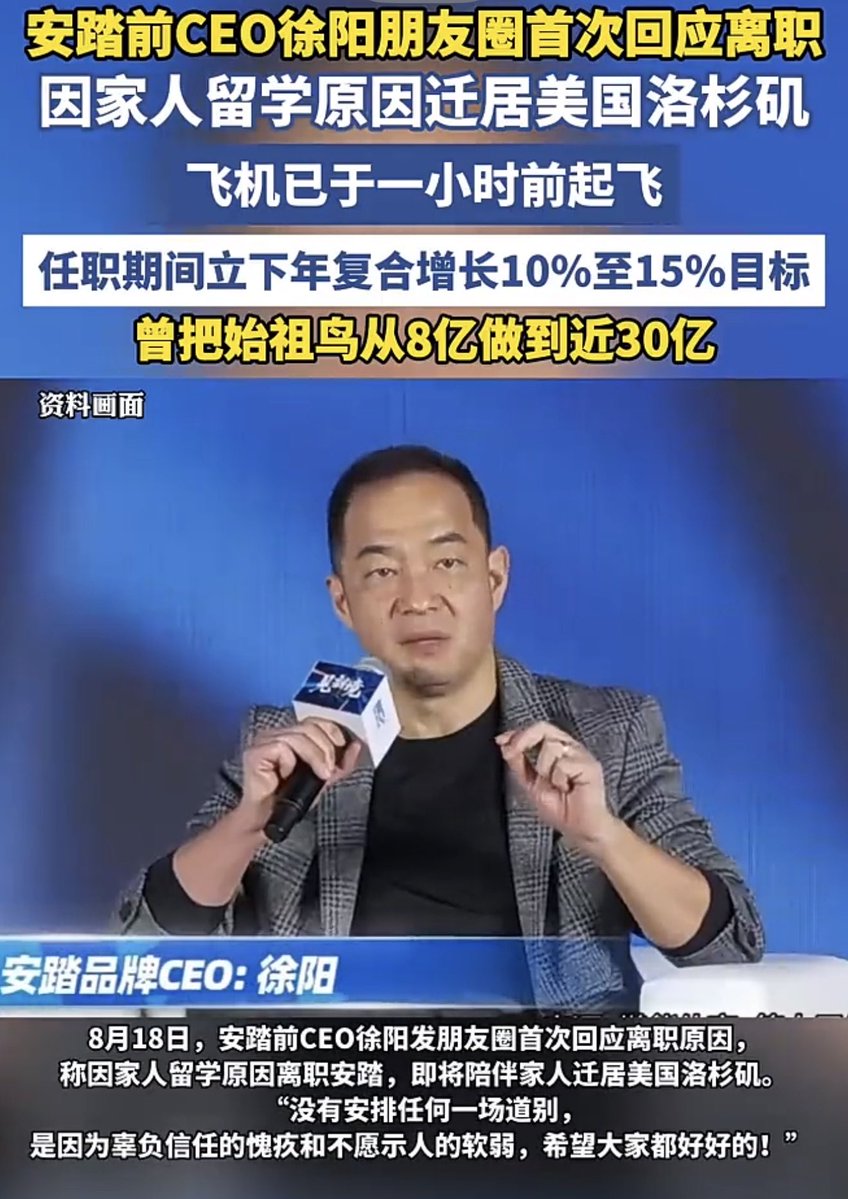
He flew first before he dared to speak! He spoke out for the first time en route to Los Angeles!
—Former Anta CEO Xu Yang responds to his resignation for the first time while en route to Los Angeles

Editor : Fang Xun / Source: The Epoch Times / https://www.aboluowang.com/2026/0820/2423127.html
Image : Former Anta CEO speaks out for the first time on plane! With the CCP tightening travel restrictions, industry leaders are only speaking out after flying away

On Tuesday (18 August 2026), Xu Yang, former CEO of the Chinese sportswear brand Anta, responded to his resignation for the first time on his WeChat Moments, stating that he had decided to relocate to the United States due to family members studying abroad. His Moments post was geotagged as Hong Kong International Airport, and the accompanying image showed that the plane had taken off about an hour ago and was en route to Los Angeles.

Xu Yang wrote on his Moments: "I didn't arrange any farewells because of the guilt of betraying trust and the weakness of not wanting to show it to others. I hope everyone is doing well!" Xu Yang resigned as CEO of Anta on 15 July 2026, citing "family reasons," and was temporarily replaced by Anta co-CEO Lai Shixian.

His departure comes at a time when the CCP is tightening travel restrictions, and has once again sparked discussion on Chinese social media. Some netizens commented that under the CCP's new travel regulations, everyone is anxious, and now even industry leaders only dare to respond while on a plane. Some netizens expressed confusion as to why wealthy Chinese families immigrate to the United States, yet CCP propaganda portrays the US negatively.

In late July, the State Council of China announced new border control regulations. These regulations, effective September 15, include stricter checks on travelers and provide new grounds for restricting Chinese citizens' exit from the country; in some cases, the exit restrictions can last up to three years. Chinese citizens have already faced stricter scrutiny when leaving the country in recent years, with some civil servants even required to surrender their passports for safekeeping by their work units. Following the announcement of the new regulations, numerous discussions emerged on Chinese social media, with some netizens openly questioning whether they would still be able to travel freely abroad after the regulations take effect.

Gao Shuchao, a law professor at Singapore Management University who studies Chinese trade policy, urged those currently in China to leave while they still can.

Li Shaomin, a professor at Old Dominion University in Virginia, pointed out that the CCP's control over exiting the country not only affects ordinary citizens but also imposes stricter constraints on those within the CCP system. He wrote that during the Mao era, only those most trusted by the organization had the opportunity to travel abroad; now, the situation seems to be reversed, with those considered "one of their own" and members of the power structure being the most strictly controlled when it comes to traveling abroad. "The closer someone is to you, the less likely they are to travel freely," Li Shaomin wrote. "They not only distrust the people, but they also distrust their own cadres and those they promoted." He added that the CCP regime seems to be increasingly insecure.

Aboluowang commentator Wang Duran pointed out: "The most intriguing aspect of Xu Yang's WeChat Moments post isn't what he said, but rather his choice to post it an hour after takeoff—this timing itself is a carefully calculated self-preservation strategy. He only dared to speak the truth after confirming he had flown out of the CCP's control. This is no longer just the personal choice of a few corporate executives, but a survival strategy of 'fly first, speak later' collectively practiced by the entire Chinese elite class."

She further pointed out: "Professor Li Shaomin's paradox is extremely accurate—if a regime guards against even its own hand-picked and most trusted officials, preventing them from leaving the country at will, it shows that it knows better than anyone that its internal morale is already low and fraught with crisis. When a power system treats even its own 'insiders' as potential defectors, the regime's sense of security has collapsed to a pathological degree."

Wang Duran commented: "When a regime begins to fear more those it has promoted than its enemies, it means it no longer knows who is truly on its side."

Miles Yu : The Chinese Communist Party must be directly responsible for COVID-19

 Direct translation

The epic finale is approaching! The CCP has created a global catastrophe
—Miles Yu : The CCP must be directly responsible for the Wuhan Catastrophe—Latest Commentary from the Hudson Institute

Reporter : Wang Duruo / Editor : Fang Xun /  https://www.aboluowang.com/2026/0820/2423245.html

On Wednesday, 18 August 2026, Miles Yu, director of the China Center at the Hudson Institute and former chief advisor on China policy at the U.S. State Department, published a commentary in The Washington Times and on the Hudson Institute's website entitled "The Chinese Communist Party Must Answer for the Wuhan Abomination." The article explicitly states that the Chinese Communist Party (CCP) bears direct responsibility for the outbreak of COVID-19 and calls on the international community to hold it accountable morally, legally, and financially.

Yu begins his article by writing, "Six years after the COVID-19 pandemic brought the world to its knees, the era of euphemisms is over." He emphasizes that this disaster, which has claimed approximately 14.5 million lives and severely damaged the global economy, is not simply a "natural accident," but is closely related to the CCP's totalitarian regime, the blind expansion of dangerous biological experiments, and systematic cover-ups.

Key Arguments and Evidence

The article's core arguments include:

Increasingly Confirmed Laboratory Origin: In June 2026, the Office of the Director of National Intelligence (ODNI) publicly described the U.S.-funded Wuhan Institute of Virology (WIV) coronavirus research as "now widely regarded as the unintentional source of the outbreak." WIV accumulated over 15,000 bat virus samples, becoming China's first Biosafety Level 4 (BSL-4) laboratory, yet handled the most dangerous pathogens with a biosafety rating of only "good."

Early Warnings of Safety Risks: Dr. Yuan Zhiming, director of the WIV BSL-4 laboratory, and others warned in 2018 that biosafety laboratories are a "double-edged sword," and mismanagement could lead to "disaster." A SARS leak occurred in a Beijing laboratory in 2004. Shi Zhengli's team participated in constructing a chimeric SARS-like coronavirus in 2015 and warned of a possible similar outbreak in China in March 2019.

Systematic Cover-Up by the CCP: In the early stages of the outbreak, WIV was ordered to destroy samples (1 January 2020) and placed under the control of the People's Liberation Army. The CCP concealed early genetic sequences, animal market information, and laboratory data. The World Health Organization (WHO) disclosed in 2025 that China still had not provided hundreds of early sequences and related data. Xi Jinping himself acknowledged shortcomings in biosafety management on 14 February 2020.

Yu Maochun pointed out that the CCP's first reaction was to suppress the truth, rather than issue timely warnings, leading to the global loss of control of the pandemic. He emphasized: "A government cannot destroy or withhold evidence and then demand exemption from responsibility because of the lack of evidence."

Calling for Accountability

The article concludes by calling on the international community to:

Demand full access to the WIV virus database, laboratory records, biosafety documents, and personnel files;

Allow independent investigators to question relevant personnel without CCP oversight;

Establish a mandatory international consequences mechanism for countries that conceal the epidemic;

Sovereignty cannot be an excuse to endanger all of humanity.

Yu Maochun concluded: “The world has the right to know the truth, the victims deserve justice, and the CCP must take moral, legal, and financial responsibility for the COVID-19 pandemic.”

The Hudson Institute’s official Twitter account subsequently retweeted and emphasized: “The CCP bears direct responsibility for the deadly COVID-19 outbreak. The whole world has the right to know the truth, and the CCP must be held accountable for this catastrophic crime that occurred in Wuhan.” This content quickly spread on social media.

This article was published on the sixth anniversary of the pandemic, further promoting international discussion on the origin of the virus and accountability. Yu Maochun, as a key advisor to the State Department on CCP policy during Trump's first term, has long advocated a hardline stance against the CCP, and his views have significant influence in U.S. political circles.

China Southern Cargo launches China-Norway all-cargo route on 20 August 2026

 Report by : Gan Yung Chyan, KUCINTA SETIA            Images : China Southern Airlines


At 9.12 am on 20 August 2026, a China Southern Cargo B777F freighter, fully loaded with nearly 100 tons of fresh Norwegian salmon, landed smoothly at Shanghai Pudong International Airport, marking the launch of the Pudong-Amsterdam-Oslo-Pudong route. This route is not only China Southern Cargo's first route to Norway, but also a significant step in improving its European air logistics network and deepening its presence in the Nordic market. This route will focus on high-quality fresh seafood such as Norwegian salmon as its core cargo, striving to create a regular air transport corridor for fresh seafood imports, enriching domestic consumption supply, and injecting new momentum into trade and economic exchanges between China and Norway, as well as between China and the Nordic region.

China Southern Cargo operates this route using Boeing 777F freighters, with two flights per week. The inaugural batch of salmon, after arriving at Pudong Airport and completing customs clearance, will directly enter Shanghai wholesale markets, be quickly distributed to local supermarkets, and then radiate throughout the country via the domestic logistics network, allowing consumers to enjoy higher-quality Nordic ingredients at more favorable prices. In the initial phase of the route's operation, it is expected to bring 200 tons of chilled salmon to the domestic market each week.

To ensure the quality of high-end fresh food transportation, China Southern Cargo's subsidiary, China Southern Cold Chain, has customized a full-chain cold chain solution for salmon imports. During the cargo flight, this system maintains a constant temperature control range, ensuring stable and controllable temperature throughout the salmon transportation process. Simultaneously, it integrates seamlessly with the ground cold chain at Pudong Airport's cargo terminal, customs clearance, and distribution stages, thus guaranteeing the quality and safety of the product from the Nordic fishing grounds to the dining tables.

Currently, China Southern Cargo operates over 30 international all-cargo routes from Guangzhou, Shenzhen, Shanghai, and other cities to destinations such as Los Angeles, Amsterdam and Frankfurt. The opening of the Pudong-Amsterdam-Oslo-Pudong route will further enrich China Southern Cargo's cargo footprint in Northern Europe and strengthen Pudong Airport's function as a comprehensive gateway and multi-functional international aviation hub.

南航物流开通中国至挪威全货机航线

Wednesday, August 19, 2026

Lufthansa's touchdown incident in Munich on 17 August 2026

 Report by : Gan Yung Chyan, KUCINTA SETIA                            Image : Web Screenshot


Lufthansa confirmed that one of its Airbus A380 aircraft carrying 351 passengers prematurely touched down on runway 26L at Munich Airport on Monday evening of 17 August 2026. The impact occurred just before the runway threshold, damaging runway lights and several tires.

The Lufthansa A380 (registration number D-AIML) was operating flight LH-459 from San Francisco to Munich.

Lufthansa stated that the aircraft taxied to its terminal parking position after landing, and passengers disembarked normally with no injuries reported.

The German Federal Bureau of Investigation (BFU) has launched an investigation, and Lufthansa has stated it will fully cooperate.

Just two days prior to this incident, a Vietnam Airlines Boeing 787 Dreamliner also encountered acceleration difficulties during takeoff on the same runway at Munich Airport, failing to take off until it was 120 metres beyond the runway edge, narrowly avoiding a major accident.

The two incidents occurred close together, drawing attention, but there is currently no evidence to suggest a connection between them.

The CCP is pursuing people, money and blocking Chinese immigration paths

 Direct translation

The CCP is truly panicking! They're targeting wallets, WeChat accounts, and passports simultaneously
-A trapped beast's last struggle! The CCP's Political and Legal System is reinvestigating old cases! Pursuing People, Pursuing Money, and Blocking Immigration Paths

Reporter : Wang Duruo / Editor : Fang Xun / https://www.aboluowang.com/2026/0818/2422330.html
A whistleblower claims that the CCP's political and legal system is conducting a large-scale "reinvestigation of old cases," focusing on whether investigators accepted bribes to give lenient sentences to serious crimes. The investigation is expanding to include parties involved and those with vested interests. Cases closed years ago may be reopened, and overseas suspects are even being pressured to return to China for trial.

An insider, "Feng Ke," revealed to The Epoch Times that the focus is on investigating cases where bribes were accepted but sentences were lenient. Mr. Zhou, a lawyer from Guangxi, said this is both a crackdown on corruption and the recovery of stolen assets, as well as a purge of the deeply entrenched network of relationships and power-money transactions within the judicial system. Those who have emigrated overseas, whether accomplices or witnesses, will not escape if old cases are reopened. Another insider stated that the external investigation aims to repatriate funds and alleviate financial pressure; the internal purge is to consolidate power, eliminate dissidents, and pave the way for personnel arrangements at the 21st National Congress of the Communist Party of China. Netizens sarcastically commented: "The big corrupt officials arrest the small corrupt officials, making fools praise the big corrupt officials."

According to Mr. Xin, who lives in Europe, the crackdown on officialdom has escalated to investigating WeChat and Weibo posts, and checking whether officials have expressed opposition to Xi Jinping's re-election over the past three years. Many officials are already planning to travel abroad. Professor Zhang, who lives in Australia, also confirmed that Beijing is investigating exchanges of favors, assets, and overseas connections.

On 31 July 2026, the State Council issued Decree No. 841, announcing new regulations that will take effect on 15 September 2026: If public officials and military personnel entrust intermediaries to handle foreign citizenship, permanent residency, or residence permits abroad, the intermediaries are prohibited from accepting their applications, and they must also proactively report such cases. The scope covers almost everyone from civil servants and state-owned enterprise management to village and neighborhood committee members. On 10 August 2026, a blogger relayed that personnel within the system must report their itinerary, accommodation, and meeting partners three months in advance for overseas inspections, with guarantees from their work unit or family members, and must report again upon returning to China; many staff members have had their passports confiscated, and even department-level officials face difficulties traveling abroad.

From investigating old cases and confiscating funds to blocking immigration channels and tightening exit approvals, the CCP is extending its purges from within the country to overseas. This approach of building files, investigating relationships, and scrutinizing speech is strikingly similar to the Yan'an Rectification Movement described in Nine Commentaries on the Communist Party: ostensibly to prevent the outflow of capital and talent, but in reality, it reflects a deep-seated fear of economic crisis, political instability, and officials fleeing abroad. The likely outcome is that it will "shoot itself in the foot," forcing even more people to find ways to leave.

Aboluowang commentator Wang Duran comments: This combination of measures exposes not a lack of control, but rather the fear itself. A truly stable regime does not need to establish authority by investigating old cases or confiscate passports to prevent people from fleeing; rather, it is those in power who feel their foundations are crumbling that simultaneously target officials' wallets, WeChat accounts, and passports. Investigating speech is more telling than investigating accounts: this is no longer anti-corruption, but a test of loyalty. When a system needs fear rather than trust to maintain loyalty, the fear itself accelerates the very collapse it seeks to prevent.

Wang Duran pointed out: The more you fear people running away, the more you force them to want to run away; this is not governance, it is the last struggle of a trapped beast.

Remember these "4 Don'ts" for fixed deposits

  Direct translation A bank manager's words reminded me: Remember these "4 Don'ts" for fixed deposits Editor : Song Yun / ...