Direct translation
With the economy in a downturn, you must hold fast to these 6 bottom lines over the next two years—no matter how hard things get.
Editor: Ye Jinghan | Source: Pingshuo Finance (Zhang Ping) / https://www.aboluowang.com/2026/1006/2442286.html
In recent years, the domestic economy has been on a downward trend. GDP growth slowed from 6.9% in 2015 to 5% in 2025, dropping further to 4.7% in the first half of 2026. my country's economic growth has gradually shifted from a past focus on "quantity" to a current emphasis on "quality." Amidst this economic downturn, Deep See offers a piece of advice: during the three-year period from 2026 to 2028, no matter how tight your finances are, you must hold fast to these six "bottom lines." This is crucial for everyone, so let’s take a look:
Bottom Line 1: Hold onto your job; don't quit without a backup plan.

In the past, many young people would readily quit their jobs if they faced unfair treatment or unhappiness, believing they could quickly find new employment. Today, however, the job market is grim, and finding work is increasingly difficult. If you quit abruptly without another job lined up, it is hard to find a satisfactory position quickly, leaving you at risk of prolonged unemployment. Therefore, you must keep your current job and avoid quitting rashly. If you truly wish to switch jobs, ensure you have secured a new position or received a written offer before handing in your resignation.
Bottom Line 2: Cash is king; keep sufficient emergency funds.
Previously, many people preferred investing their money in real estate, stocks, or funds, making it difficult to liquidate assets quickly when urgent cash was needed. Now, given the economic downturn, everyone should aim to save enough to cover 6 to 12 months of essential household expenses (such as mortgage or rent, living costs, and medical bills). These funds should be kept in short-term bank deposits or money market funds, serving as a financial lifeline during critical moments.
Bottom Line 3: Avoid high-interest debt; pay off existing debts early.
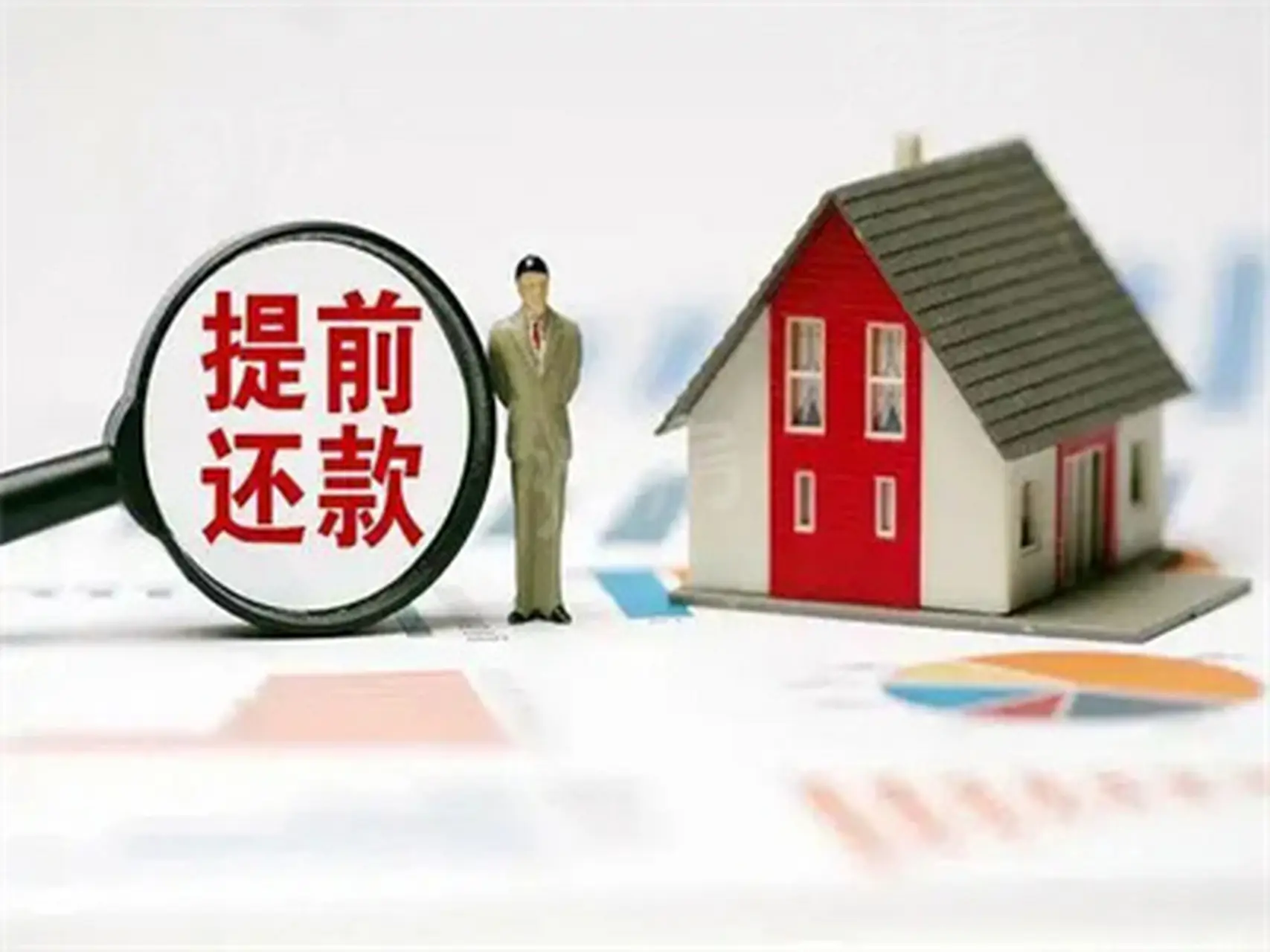
In the past, many young people relied on borrowing to fund a high-quality lifestyle. Today, however, you should steer clear of high-interest debt. The primary reason is that during an economic downturn, many people face reduced income or unemployment; if high-interest debts come due under these circumstances, the risk of default becomes very high. Furthermore, if you still have the financial capacity to do so, you should take the initiative to pay off any outstanding debts. This allows you to enjoy the peace of mind that comes with being debt-free, ensuring you won't worry too much should you face unemployment or a drop in income.
Bottom Line 4: Avoid herd-mentality investing and steer clear of "guaranteed-principal, high-yield" scams.
Any project promising guaranteed principal along with an annualized return significantly higher than that of bank deposits or government bonds is almost certainly a trap. Firmly refuse to invest in projects you do not understand, and never put all your savings into a single asset. Avoid franchise opportunities or high-yield financial products recommended by acquaintances. Invest only with "idle money"—funds you can afford to lose completely without affecting your basic standard of living—and avoid using leverage for stock trading, futures, or real estate speculation. Remember: in the current climate, simply preserving your principal and interest makes you a winner.
Bottom Line 5: Set aside the need to save face and practice rational consumption.
In the past, many people bought overpriced luxury goods or regularly replaced perfectly functional household items simply to keep up appearances. Today, however, with income growth slowing or declining for most, it is crucial to distinguish between "needs" and "wants." Commit to purchasing only what is truly essential; this reduces unnecessary spending and allows you to save money for potential future emergencies. Additionally, make it a habit to set aside 20–30% of your monthly salary as savings immediately upon receipt, using only the remainder for daily expenses.
Bottom Line 6: Prioritize your health and maintain a steady mindset.

Many people used to work excessive overtime, stay up late to meet deadlines, neglect exercise, and maintain irregular schedules—habits that take a toll on physical health. Now, it is vital to recognize that your health is your greatest asset; avoid staying up late, maintain a regular routine, and get an annual medical check-up. Furthermore, avoid comparing yourself to others or engaging in draining internal conflict. Accepting your ordinary self and living a grounded, steady life is far more valuable than anything else.
In reality, a downward economic trend has already taken hold; adhering to the six "bottom lines" mentioned above is not about "lying flat" (opting out of the rat race), but rather about mitigating the risk of suffering harm. Meanwhile, low-risk side hustles and skill development can still be pursued steadily. Ultimately, in this economic cycle, the competition for ordinary people is not about who earns the most, but about who can safeguard their financial foundation and avoid major pitfalls—thereby positioning themselves to seize new opportunities when conditions improve.


No comments:
Post a Comment