Monday, October 12, 2026

Two pneumonic plague deaths reported in Shanghai and Chongqing

 Direct translations

Did pneumonic plague spill over from Russia? Two deaths reported in Shanghai and Chongqing; P4 Lab insider reveals details

Reporter : Wang Duruo / Editor: Zhongkang / https://www.aboluowang.com/2026/1011/2444380.html


While the controversy surrounding suspected pneumonic plague cases from Russia has yet to subside, a user submission went viral on X (formerly Twitter) on 10 October 2026. The submitter, who contacted the account "Luo Xiang Po Mu Tui Qiang" (Luo Xiang Breaks the Curtain and Walls), claimed to be a staff member at a P4 laboratory. He stated, "From what I understand, plague patients have appeared in Shanghai and Chongqing. We are panicked; it feels completely bizarre."

He explained that both individuals were diagnosed with the infection upon entering Russia; they were released only after undergoing isolation and treatment and achieving stable health. However, after flying to their respective destinations, they suddenly fell ill and died on the fifth day after arrival. "This is a situation we have never seen before; the circumstances are extremely grave." Domestic authorities requested more raw data from the Russian side but were refused.

In his view, this should not have happened. Plague researchers are required to be vaccinated and possess antibodies; should they fall ill, they receive immediate treatment. Yet, despite the pre-existing antibodies and timely medical intervention—two lines of defense—neither individual could be saved. "There is only one possibility: the strain has been upgraded."

He worries that this pathogen has a prolonged incubation period and the ability to remain undetected. Once it spreads in densely populated metropolises, contact tracing remains effective for only about three days; after seven or ten days, it becomes largely futile. A single person traveling for business, taking flights, and attending meetings could trigger a transmission chain affecting thousands. He asserts that such an agent "certainly did not occur naturally; it resulted from a lab losing control while upgrading the strain—it was definitely intended for military use, but the situation spiraled out of control." At the end of the post, he mentioned Feng Xiaolin and Wang Bing, doctors who died in the line of duty during the COVID-19 pandemic, noting that neither has received compensation and their families have been silenced. He added that in the current medical community, "if this [outbreak] arrives, there isn't a single person who wouldn't run."

Aboluowang commentator Wang Duran noted that the submission refers to the plague as a "virus," whereas the plague is actually a bacterial infection. However, the most critical question raised by the leaked information is not without foundation: plague is normally treatable with standard antibiotics; if even timely treatment fails to save the patient, could it be due to a genetically modified, drug-resistant strain?

There is precedent for such concerns. After defecting to the U.S., Ken Alibek—the number two figure in the Soviet biological weapons program—revealed that the Soviet Union had artificially cultivated antibiotic-resistant plague strains and researched "chimeras" created by combining multiple pathogens; the Irkutsk Anti-Plague Institute was involved in this work. Marshall Billingslea, former U.S. Special Presidential Envoy for Arms Control, stated that this incident "might not just be plague; it could be something far more terrifying." Former CDC Director Robert Redfield also publicly questioned the situation: when a laboratory accident occurs, antibiotics are typically administered immediately; if treatment fails, one possibility is that the pathogen has been modified and is unresponsive to antibiotics.

If it is indeed a modified strain, Russia’s adamant refusal to hand over raw data comes as no surprise. Once the genetic sequencing is made public, international scientists would likely spot signs of artificial modification at a glance—irrefutable evidence of a violation of the Biological Weapons Convention.

This modus operandi is all too familiar to the Chinese people. During the Wuhan outbreak, the CCP delayed releasing the virus's genetic sequence, blocked WHO experts from accessing raw data and early case records, and in 2021 flatly rejected the WHO's second phase of origin-tracing investigations; the Wuhan Institute of Virology's database remains offline to this day. When an authoritarian regime faces a crisis, its first instinct is always a cover-up; Moscow and Beijing are reading from the same playbook.


Bizarre pneumonic plague case in Russia! WHO admits: Cause of death a mystery, mass quarantine implemented
—Researcher at Russian plague-research lab dies of mysterious pneumonia; WHO admits cause of death is a mystery, ~200 people quarantined

Editor: Fang Xun | Source: Newtalk / https://www.aboluowang.com/2026/1012/2444543.html

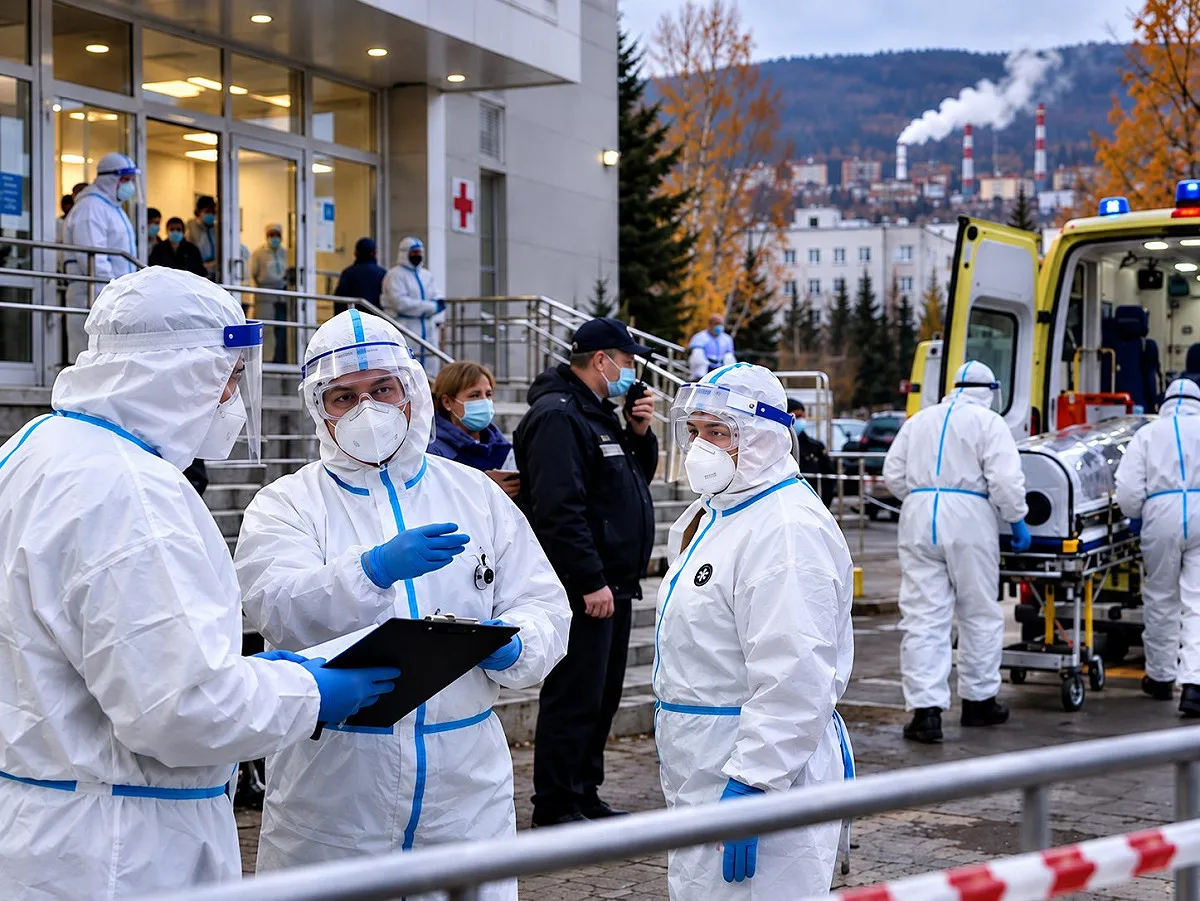
The recent death of a staff member at a plague research institute in Siberia, Russia, has sparked international concern regarding laboratory safety and the risks of infectious diseases. Image: Via X @NeroArmore91252

A research center dedicated to plague prevention in Siberia, Russia, recently reported the death of a laboratory researcher due to pneumonia of unknown origin, drawing the attention of the international public health community. The World Health Organization (WHO) stated on Saturday (the 10th) that while the specific pathogen infecting the researcher remains unconfirmed, Russian testing has not detected any cases of plague, nor is there evidence of ongoing transmission of the disease. Following the incident, Russian authorities placed approximately 200 people under emergency quarantine, while the event also triggered public panic on social media regarding unknown infectious diseases.

According to Reuters, the deceased was Darya Shipilova, a 28-year-old female researcher at the Irkutsk Anti-Plague Research Institute in Russia. The WHO noted that she was hospitalized with severe pneumonia on September 29 and passed away on October 2; the exact route of infection and the cause of the illness remain undetermined.

The WHO stated that, based on data provided by Russian health regulators, the deceased and her close contacts were tested for various high-risk pathogens, with none of the screened high-threat pathogens detected. Russian authorities also reported that, as of October 9, the relevant contacts had completed their medical observation period without developing symptoms, and no other cases of severe pneumonia linked to this incident had been identified locally.
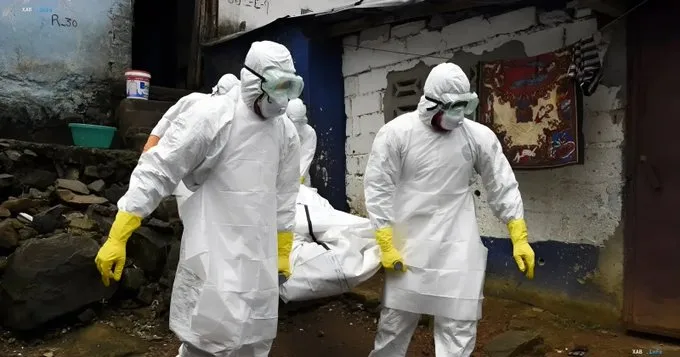
A suspected case of pneumonic plague recently reported in Siberia, Russia, has raised international concern. Image: Via X account @AlphaFoxCharlie

In its latest statement, the WHO noted that, based on current information provided by Russia, there is no evidence of ongoing transmission associated with the incident. However, a major uncertainty remains due to the lack of a definitive diagnosis for the deceased; consequently, the WHO cannot independently confirm whether the duration of monitoring for contacts was sufficient to rule out all possible causes of the illness. Since the global outbreak of COVID-19, international health officials have remained highly vigilant regarding cases of fatal pneumonia with unknown causes. Although identifying the exact cause of a single pneumonia case can sometimes be difficult, this incident has drawn particular attention because the deceased worked at a research institute specializing in plague and other high-risk infectious diseases, and because there were initial reports suggesting a possible pneumonic plague infection.

Russian officials emphasized that the researcher had been vaccinated in accordance with regulations prior to death and that tests detected no pathogens linked to their laboratory work; they also denied the occurrence of any laboratory biosafety incident.

Russian authorities stated on Thursday (the 8th) that they had completed health checks on relevant contacts and provided information to the WHO following established procedures. However, the WHO emphasized that, as the exact cause of death remains undetermined, further clinical, epidemiological, and laboratory data are required to fully assess the potential public health risks associated with the incident.

Zhongnanhai cringes as Mongolia sounds a global alarm with storm-like intensity

Reporter : Wang Duruo  / Editor: Fang Xun / https://www.aboluowang.com/2026/1011/2444270.html
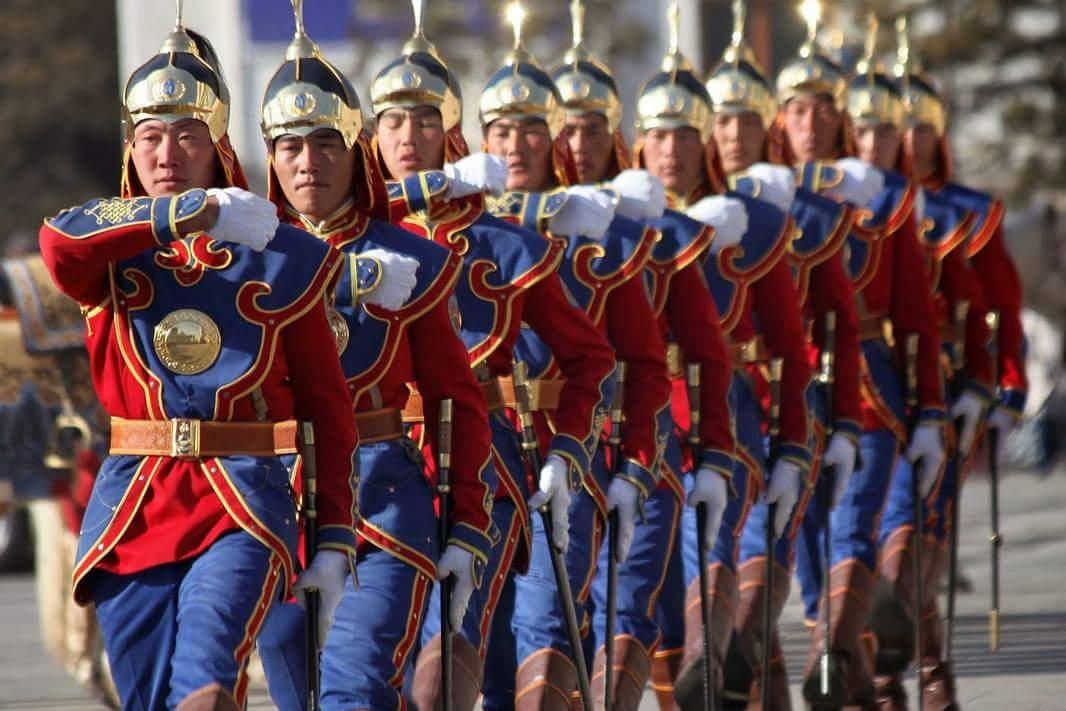
Faced with the panic surrounding this highly infectious disease—potentially involving an "aerosol leak of pneumonic plague"—neighbouring countries have adopted vastly different response postures. Mongolia immediately issued the highest-level public health alert, whereas Chinese officials—despite facing a similarly high risk of cross-border transmission—have maintained a stance characterized by extreme restraint and a downplaying of the issue.

Mongolia: Highest-level alert issued; border placed under "combat-readiness" quarantine

Given that pneumonic plague is highly transmissible via airborne droplets and carries a mortality rate approaching 100%, Mongolia—sharing a direct border with the affected Siberian region—was the first to feel the immediate threat.

Highest-level health monitoring: According to *Arab News* and independent media reports, Mongolia’s Ministry of Health responded decisively upon learning of the situation, formally ordering the implementation of the strictest health monitoring and quarantine screening at all border crossings with Russia. [1]

Activation of national emergency response: Bypassing standard diplomatic formalities, the Mongolian government issued a direct public health alert to both its citizens and the international community. Border checkpoints implemented rigorous temperature screenings and symptom inquiries for all arrivals from Russia, alongside comprehensive disinfection and inspection of cross-border vehicles and cargo. This high-profile, uncompromising approach aimed to fully mitigate the potential disaster resulting from the Russian authorities' initial concealment of the incident. [1, 2]

Chinese Officials: No public warning issued; issue downplayed with claims of "smooth communication"

In stark contrast to Mongolia’s rapid and forceful response, the actions taken by Chinese officials regarding public discourse and policy announcements have been unusually muted and low-key. Refusal to issue a public health alert: As of 10 October 2026, neither the General Administration of Customs nor the Chinese Center for Disease Control and Prevention (CDC) had issued any formal travel warnings regarding imported pneumonic plague or announcements tightening quarantine measures in response to the Siberian outbreak; nor did they urge citizens to take precautions, as the U.S. Embassy had done. In terms of public news coverage, aside from state media outlets like Xinhua relaying Moscow’s official rebuttal—claiming that Irkutsk was implementing epidemic control measures and that nearly 5,000 samples had tested negative—the domestic public discourse remained virtually indifferent to the situation. [1, 2]

Evasive diplomatic responses: Addressing the international community's strong concerns, a Chinese Foreign Ministry spokesperson—as reported by Bloomberg and the *Macau Daily Times*—did not break their silence until a regular press conference on 7 October, offering only a boilerplate response. Spokesperson Guo Jiakun merely stated: "China and Russia maintain close communication and cooperation regarding the prevention and control of infectious diseases, including the plague." The official statement carefully avoided the core issues, making no mention of whether China had implemented any enhanced physical defense measures at sensitive border crossings along major China-Russia railway lines, such as Manzhouli, Heihe, or Suifenhe. [1, 2, 3, 4]

It’s here! Multiple regions across China issue "plague risk alerts"

Editor: Fang Xun | Source: New Tang Dynasty (NTD) / https://www.aboluowang.com/2026/1013/2444825.html

Following reports of a fatal plague case in Russia, multiple regions across China—including Inner Mongolia, Hunan and Guangdong—have issued risk warnings regarding plague prevention and control, sparking public concern.

Warnings issued in Manzhouli and Hulunbuir

On 11 October 2026, Inner Mongolia Radio and Television reported that Hulunbuir has not recorded a human plague case since 1927, nor has routine surveillance detected plague outbreaks among rodents in recent years; a comprehensive assessment suggests the likelihood of a plague outbreak remains low.

However, the Hulunbuir Center for Disease Control and Prevention (CDC) noted that the city is a natural plague focus area and shares a border with the Russian Far East, where cross-border travel is frequent. Authorities urged the public to take effective precautions against the plague and advised individuals arriving from plague-endemic areas in the Russian Far East to monitor their health. They were instructed to seek immediate medical attention at a nearby facility if suspected symptoms appear and to truthfully disclose any travel history to plague-endemic regions.

Independent Russian media previously reported that a female employee at a Siberian anti-plague research institute died earlier this month from pneumonia of unknown origin, raising suspicions of pneumonic plague or laboratory-acquired infection.

Although Russian officials have denied a local plague outbreak, epidemic prevention departments across China have recently issued a series of warnings, fueling concerns about the growing possibility of the plague spreading into the country.

In addition to the warning issued by Hulunbuir, Manzhouli—also in Inner Mongolia—held a special meeting days ago to warn that the risk of importing cases of pneumonia of unknown origin from the Russian border persists.

According to the Manzhouli CDC, the center convened a risk assessment meeting on 8 October 2026 involving departments responsible for plague prevention, epidemiological investigation, disinfection, and emergency response. The meeting assessed plague risks both within and outside China, placing particular focus on the recent incidents of pneumonia of unknown origin in Russia's Irkutsk Oblast.

Following reports of a fatal plague case in Russia, multiple regions across China—including Inner Mongolia, Hunan, and Guangdong—have issued risk warnings regarding plague prevention and control, sparking public concern. (Illustrative image) (Romain Lafabregue/AFP/Getty Images)

The meeting analyzed factors such as cross-border personnel movement, cargo transport, and seasonal changes. It concluded that the risk of importing the disease persists and called for enhanced monitoring and early warning capabilities. It also mandated stronger cooperation with border control and customs authorities to implement prevention and control measures for infectious diseases during the autumn and winter seasons.

Guangdong and Hunan issue successive plague risk alerts

Although geographically distant from Russia, the Centers for Disease Control and Prevention (CDC) in Guangdong and Hunan provinces also issued relevant information on 9 October 2026, raising public awareness about the transmission routes, symptoms, and prevention and treatment methods for the plague.

Chinese CDC experts state that the plague is an infectious disease caused by the bacterium *Yersinia pestis*. It is primarily transmitted through the bites of infected fleas, contact with infected animals, and respiratory droplets from patients with pneumonic plague.

Pneumonic plague, in particular, can present with symptoms such as high fever, coughing, coughing up blood, and difficulty breathing. While the condition can deteriorate rapidly, effective antibiotics are available for treatment, and seeking medical attention early can significantly reduce the risk of death.

Health authorities advise that when visiting areas where the plague is endemic in nature, individuals should avoid contact with wild rodents, marmots, and their carcasses. If suspected symptoms appear, one should seek medical attention immediately and proactively disclose travel history and any contact with animals.

"Unknown Pneumonia" in Russia sparks panic

The incident originated on 2 October 2026, when a 28-year-old female researcher at a Russian anti-plague institute died from pneumonia of unknown origin. Speculation arose that she might have contracted pneumonic plague due to a laboratory accident, and rumors even circulated that other employees had been infected.

However, Russian officials denied these claims, stating that the investigation found no evidence of accidents related to laboratory operations. Extensive testing failed to detect any dangerous pathogens, and individuals who had been in contact with the deceased have been placed under medical observation.

The World Health Organization (WHO) stated on 10 October 2026 that the exact cause of Shipilova's death remains to be clarified. Russia has not officially reported any confirmed cases of the plague, nor has there been any indication of ongoing transmission linked to the incident. However, these official statements failed to quell public panic in China. Beyond official risk advisories issued in various regions, a flood of epidemic-related warnings has recently appeared on Chinese social media—particularly regarding the three northeastern provinces—urging residents to stockpile daily necessities and purchase supplies such as face masks, gloves, and alcohol. Some posts even claimed that future lockdowns were imminent, sparking widespread alarm among the public and raising fears of a repeat of the earlier COVID-19 crisis.


Go to Shuttle Bus Transfer from ANA at Haneda T2 to Scoot at Haneda T3

 Photo copyright by : Gan Yung Chyan, KUCINTA SETIA


Thursday, October 8, 2026

Akasa Air and other Indian airlines cancel flights to Riyadh

 Report, copyright by : Gan Yung Chyan, KUCINTA SETIA


After the Yemeni Houthi rebels claimed an attack on the airport in the Saudi capital, Riyadh, the Lufthansa Group and three Indian airlines announced on October 8 that they would suspend flights to the city. The United States also urged its citizens in Saudi Arabia to remain vigilant.

A Lufthansa spokesperson told Reuters that, citing "current developments in the Middle East," the group's airlines would suspend flights to Riyadh until 16 October 2026.

IndiGo, India's largest airline, announced the cancellation of all flights to and from Riyadh until October 9. Air India and Akasa Air also informed Reuters that they had cancelled all flights to and from Riyadh until 10 October 2026.

Air India added that a flight departing from Delhi, India, for Riyadh had turned back to Delhi earlier that day, while Akasa Air cancelled two scheduled flights.

According to a witness and three people familiar with the matter, an aircraft parked on the ground at Riyadh's airport was seen emitting smoke earlier on 8 October 2026.

The Houthi rebels claimed to have attacked King Khalid International Airport in Riyadh with a ballistic missile, though Saudi officials did not immediately confirm the incident. Saudi Arabia stated on 7 October 2026 that attacks on Riyadh's airport and the airport in the southwestern city of Abha earlier that week had resulted in three deaths.

Data from the global flight tracking website FlightRadar24 showed that multiple international flights bound for Riyadh were cancelled in the evening of 8 October 2026.

AFP reported that the United States urged American citizens in Saudi Arabia on October 8 to "exercise increased caution." The U.S. State Department's Bureau of Consular Affairs stated on the social media platform X: "The U.S. Mission is aware of an attack on King Khalid International Airport in Riyadh on October 8 and reminds all U.S. citizens to remain vigilant." The post also noted that U.S. government personnel currently working in Saudi Arabia must obtain special authorization to use this transportation hub.

Wednesday, October 7, 2026

China's first fully functional overseas military base is in Laos

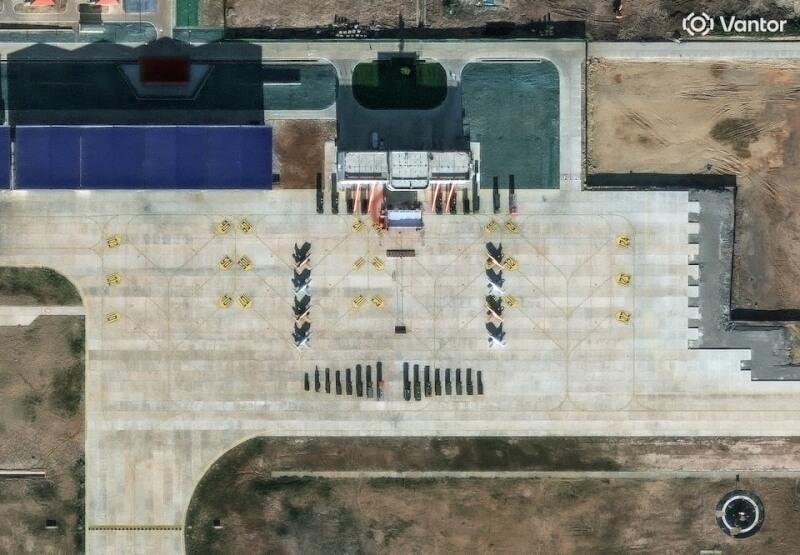
Report by : Gan Yung Chyan, KUCINTA SETIA  /  Editor: Fang Xun  /  https://www.aboluowang.com/2026/1007/2442623.html / Source : CNA / Image : Satellite imagery captured after 30 September 2026 shows light attack aircraft and military vehicles visible at the Ban Keun joint base (Vantor/Handout via Reuters).

Satellite imagery reveals the presence of light attack aircraft and military vehicles at the Ban Keun airfield—a joint support and training center recently inaugurated by China and Laos.

A Reuters report on 6 October 2026 noted that images captured on 30 September 2026 by commercial satellite provider Vantor showed eight aircraft and over two dozen support vehicles parked on a runway that was still under construction, with extensive building activity visible in the surrounding area.

Security analysts have identified the aircraft in the images as K-8 light attack jets. Jointly developed by China and Pakistan, the K-8 is widely used for flight training but also possesses light attack capabilities.

On 29 September 2026, China's Ministry of National Defense announced the official inauguration of the joint support and training centre and the China-Laos Friendship Aviation Academy at Ban Keun airfield. These facilities are designed to assist Laos in enhancing its air force pilot training and are jointly operated by both countries.

The rapid development of this facility has drawn close attention from foreign military attachés and security scholars across the region. Some observers suggest that this project could mark the establishment of China's first fully functional overseas military base in Southeast Asia.

Although China has vigorously pursued military modernization over the past two decades, it is widely considered to lack a robust network of overseas military facilities—with the notable exceptions of installations in the South China Sea, access arrangements at Cambodia's Ream Naval Base, and a logistics base in Djibouti, East Africa.

The report cited Rachel Vandenbrink, a senior analyst at the Australian Strategic Policy Institute, who suggested that the decision to build a facility accessible to the Chinese military at Ban Keun was "more likely a case of seizing an existing opportunity than meeting a specific operational military requirement."

She noted that Laos shares a border with China and is connected by infrastructure such as railways, making it an easily accessible foothold for China on the Southeast Asian mainland and thus a location of significant geostrategic value. 

Hold fast to these 6 bottom lines—no matter how hard things get

 Direct translation

With the economy in a downturn, you must hold fast to these 6 bottom lines over the next two years—no matter how hard things get.

Editor: Ye Jinghan | Source: Pingshuo Finance (Zhang Ping) / https://www.aboluowang.com/2026/1006/2442286.html

In recent years, the domestic economy has been on a downward trend. GDP growth slowed from 6.9% in 2015 to 5% in 2025, dropping further to 4.7% in the first half of 2026. my country's economic growth has gradually shifted from a past focus on "quantity" to a current emphasis on "quality." Amidst this economic downturn, Deep See offers a piece of advice: during the three-year period from 2026 to 2028, no matter how tight your finances are, you must hold fast to these six "bottom lines." This is crucial for everyone, so let’s take a look:

Bottom Line 1: Hold onto your job; don't quit without a backup plan.

In the past, many young people would readily quit their jobs if they faced unfair treatment or unhappiness, believing they could quickly find new employment. Today, however, the job market is grim, and finding work is increasingly difficult. If you quit abruptly without another job lined up, it is hard to find a satisfactory position quickly, leaving you at risk of prolonged unemployment. Therefore, you must keep your current job and avoid quitting rashly. If you truly wish to switch jobs, ensure you have secured a new position or received a written offer before handing in your resignation.

Bottom Line 2: Cash is king; keep sufficient emergency funds.

Previously, many people preferred investing their money in real estate, stocks, or funds, making it difficult to liquidate assets quickly when urgent cash was needed. Now, given the economic downturn, everyone should aim to save enough to cover 6 to 12 months of essential household expenses (such as mortgage or rent, living costs, and medical bills). These funds should be kept in short-term bank deposits or money market funds, serving as a financial lifeline during critical moments.

Bottom Line 3: Avoid high-interest debt; pay off existing debts early.

In the past, many young people relied on borrowing to fund a high-quality lifestyle. Today, however, you should steer clear of high-interest debt. The primary reason is that during an economic downturn, many people face reduced income or unemployment; if high-interest debts come due under these circumstances, the risk of default becomes very high. Furthermore, if you still have the financial capacity to do so, you should take the initiative to pay off any outstanding debts. This allows you to enjoy the peace of mind that comes with being debt-free, ensuring you won't worry too much should you face unemployment or a drop in income.

Bottom Line 4: Avoid herd-mentality investing and steer clear of "guaranteed-principal, high-yield" scams.

Any project promising guaranteed principal along with an annualized return significantly higher than that of bank deposits or government bonds is almost certainly a trap. Firmly refuse to invest in projects you do not understand, and never put all your savings into a single asset. Avoid franchise opportunities or high-yield financial products recommended by acquaintances. Invest only with "idle money"—funds you can afford to lose completely without affecting your basic standard of living—and avoid using leverage for stock trading, futures, or real estate speculation. Remember: in the current climate, simply preserving your principal and interest makes you a winner.

Bottom Line 5: Set aside the need to save face and practice rational consumption.

In the past, many people bought overpriced luxury goods or regularly replaced perfectly functional household items simply to keep up appearances. Today, however, with income growth slowing or declining for most, it is crucial to distinguish between "needs" and "wants." Commit to purchasing only what is truly essential; this reduces unnecessary spending and allows you to save money for potential future emergencies. Additionally, make it a habit to set aside 20–30% of your monthly salary as savings immediately upon receipt, using only the remainder for daily expenses.

Bottom Line 6: Prioritize your health and maintain a steady mindset.

Many people used to work excessive overtime, stay up late to meet deadlines, neglect exercise, and maintain irregular schedules—habits that take a toll on physical health. Now, it is vital to recognize that your health is your greatest asset; avoid staying up late, maintain a regular routine, and get an annual medical check-up. Furthermore, avoid comparing yourself to others or engaging in draining internal conflict. Accepting your ordinary self and living a grounded, steady life is far more valuable than anything else. 

In reality, a downward economic trend has already taken hold; adhering to the six "bottom lines" mentioned above is not about "lying flat" (opting out of the rat race), but rather about mitigating the risk of suffering harm. Meanwhile, low-risk side hustles and skill development can still be pursued steadily. Ultimately, in this economic cycle, the competition for ordinary people is not about who earns the most, but about who can safeguard their financial foundation and avoid major pitfalls—thereby positioning themselves to seize new opportunities when conditions improve.

Russian defector reveals shocking inside details behind "pneumonia of unknown origin"

 Direct translations

Russian outbreak sparks panic! Defector reveals shocking inside details

Reporter : Zheng Haozhong / Editor : Zhongkang / https://www.aboluowang.com/2026/1007/2442723.html, https://www.aboluowang.com/2026/1007/2442872.html / Image : The death of a staff member at an anti-plague research institute in the Irkutsk region of Siberia, Russia, has sparked global concern. (Image via X)
Russian outbreak sparks panic! Defector reveals shocking inside details. According to Russian state media, Darya Shipilova, a 28-year-old laboratory technician, fell ill after accidentally breaking a test tube allegedly containing the pathogen for pneumonic plague on September 25; she passed away three days later, yet authorities attributed her death to "pneumonia of unknown origin." Reports indicate that five local hospitals were locked down and hundreds of people were quarantined.

Marshall Billingslea, who served as President Trump’s Special Presidential Envoy for Arms Control, warned on X (formerly Twitter) on 6 October 2026 that this situation could be "worse" than the bacterium that caused the Black Death. During his tenure with the Senate Foreign Relations Committee in the 1990s, Billingslea worked with Ken Alibek, the number-two official in the Soviet biological weapons program who had defected to the U.S. According to Fox News, Alibek was the First Deputy Director of the Soviet biological weapons agency prior to his defection in 1992. Billingslea stated that Alibek had told him the Soviets engineered antibiotic-resistant strains of the plague bacterium and researched "plague chimeras"—pathogens created by fusing multiple disease agents—specifically identifying Irkutsk as a site involved in the project. A 2025 U.S. State Department report on arms control compliance also assessed that Russia maintains an offensive program in violation of the Biological Weapons Convention—a claim Russia has repeatedly denied. Billingslea demanded that Russia disclose details regarding the fatal pathogen and clarify whether the laboratory is still conducting offensive biological weapons activities.

The Russian account is riddled with inconsistencies. The World Health Organization (WHO) stated on Tuesday that while Russia reported no plague cases detected among close contacts, confirmation of the cause of death is still pending. MIT professor Kevin Esvelt noted that non-targeted, research-grade sequencing can reliably identify pathogens; it is extremely rare for anyone—let alone a 28-year-old—to die from pneumonia that lacks an identifiable pathogen. "It would be strange if they didn't know the cause," he remarked. Reports indicate that five local hospitals have been placed under lockdown and hundreds of people quarantined.

U.S. Secretary of State Rubio stated on 5 October that if this infectious disease were to spread beyond Russia's borders, it could propagate rapidly. The Trump administration has urged Moscow to increase transparency, with Trump noting that the U.S. stands ready to provide assistance if needed.

High-ranking CCP officials disappear following China-Russia plague drill; situation eerily echoes the 2019 Wuhan outbreak
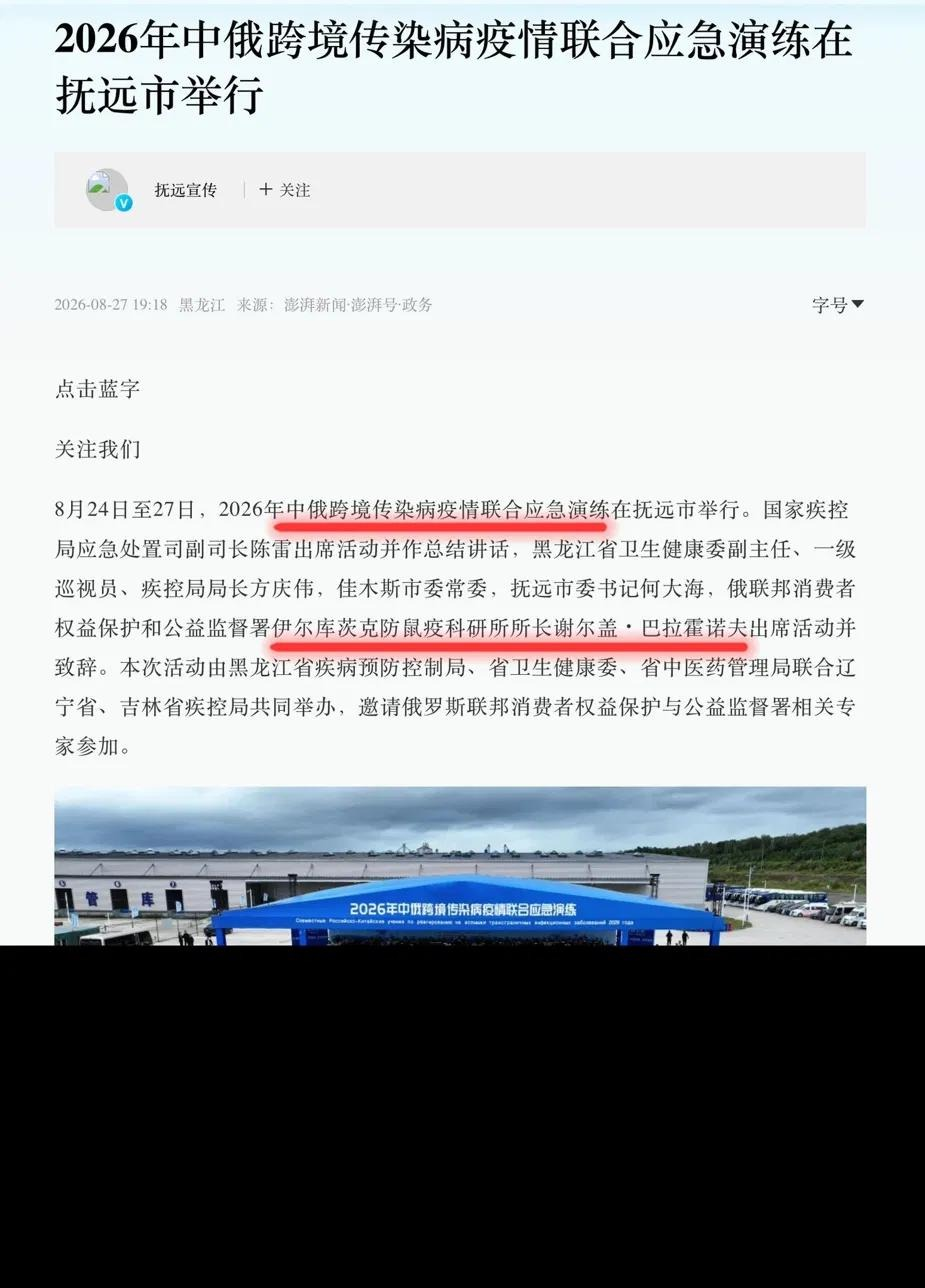
A suspected case of pneumonic plague resulting in one death has recently been reported at an anti-plague research institute in Siberia, Russia. Coincidentally, this incident follows the "2026 China-Russia Joint Emergency Drill for Cross-Border Infectious Disease Outbreaks," which covered scenarios such as the importation of plague from abroad and a joint cross-border response.

The drill took place in Fuyuan City from 24 to 27 August 2026. Chen Lei, Deputy Director of the Emergency Response Department at China's National Administration of Disease Control and Prevention, attended and delivered closing remarks. Other attendees who gave speeches included Fang Qingwei, Deputy Director of the Heilongjiang Provincial Health Commission and Director of the Provincial Disease Control Bureau; He Dahai, a member of the Standing Committee of the Jiamusi Municipal Party Committee and Party Secretary of Fuyuan City; and Sergey Balakhonov, Director of the Irkutsk Anti-Plague Research Institute. Many netizens have noted that neither Chen Lei nor He Dahai has made a public appearance since the drill concluded.

Shortly after the drill ended, news emerged of the death of a female employee at the Irkutsk Anti-Plague Research Institute. Russian health authorities attributed the death to "pneumonia of unknown etiology" and have not yet confirmed a plague infection.

The timing of these events has drawn comparisons to 2019. On 18 September 2019, Wuhan Customs conducted an emergency response drill at Tianhe International Airport, simulating the detection of a "novel coronavirus infection" and practicing procedures such as epidemiological investigation, quarantine, and patient transfer. Just months later, the COVID-19 outbreak erupted in Wuhan.

Regarding the current incident, the Russian government claims the situation is preventable and controllable, though relevant measures have been tightened; the U.S. is monitoring the situation closely and has urged Russia to promptly release accurate information. In contrast, Chinese state media has remained virtually silent, offering no coverage. The sequence of the drill, the disappearance of officials from the public eye, and the suspected outbreak has fueled widespread speculation about whether history is repeating itself. 

The epidemic in Russia: One piece of bad news and three pieces of good news; is there trouble in China's three northeastern provinces?

Reporter : Wang Duruo / Editor : Zhongkang / https://www.aboluowang.com/2026/1007/2442758.html

A few days after the death of a 28-year-old female researcher at a hospital in the Shelekhov District of Irkutsk Oblast, the focus shifted from the epidemic itself to a dispute over information between the US and Russia.

The *Wall Street Journal* reported that the U.S. side requested more details from Russia, arguing that Russia's limited disclosure might violate international public health notification obligations. The US Embassy in Russia issued a health alert; the CDC stated that the case had not yet been confirmed and there were no signs of a broader threat to the US. The World Health Organization (WHO) emphasized the need for rapid identification and treatment of suspected cases, as well as the monitoring of contacts. President Trump had previously offered assistance—an offer rejected by the Kremlin—and subsequently stated he would speak with Putin. Secretary of State Rubio also publicly called on Russia to increase transparency.

One piece of bad news

Pneumonic plague is extremely lethal to individuals. The onset is rapid, and without treatment, it is almost invariably fatal; the course of the disease often lasts only one or two days.

On the 6th, US commentator "Finding" also listed three pieces of good news:

First, it is a bacterial infection for which effective treatments exist. Standard antibiotics such as streptomycin, gentamicin, and ciprofloxacin are effective; the WHO states that early treatment can reduce the mortality rate to below 15%.

Second, there is no asymptomatic, hidden transmission. Patients collapse upon the onset of symptoms, making them easy to detect and isolate.

Third, close contact is required. Transmission occurs via droplets with an effective range of about two metres; unlike COVID-19, it does not spread through aerosols.

Conflicting accounts from the Russian side

Rospotrebnadzor (the Russian federal consumer rights and human well-being watchdog) denied the claim that a test tube had been broken, stating instead that the deceased died of pneumonia of undetermined origin. Tsydenov, the leader of Buryatia, initially confirmed the death was caused by plague but later revised his statement to say it was "possible." Further testing is required to determine whether the pathogen is a standard strain. Commenters pointed out that the fact that the disease causes immediate collapse implies a very narrow window for treatment; even if a highly effective drug exists, the time required for fever clinics and laboratory testing to identify the illness stands between the patient and receiving that medication within the critical 24-hour period. Other netizens put it more bluntly: if a real epidemic breaks out, such drugs will never reach the average citizen, or they will be prohibitively expensive. In China, securing a diagnosis and obtaining the medication within 24 hours requires special privilege; for ordinary people, the registration window might close while they are still waiting in line.

There is currently no evidence to support speculations regarding "weaponization," "drug resistance," or "aerosol transmission."

Heilongjiang: A joint drill was held just five weeks ago


From 24 to 27 August 2026, a joint emergency drill regarding cross-border infectious disease outbreaks between China and Russia was held in Fuyuan City, Heilongjiang Province. Attendees included Chen Lei, Deputy Director of the Emergency Response Department of the National Disease Control and Prevention Administration; Fang Qingwei, Director of the Heilongjiang Provincial Disease Control and Prevention Administration; and He Dahai, Party Secretary of Fuyuan City. The Russian delegation was led by Barakhonov, Director of the Irkutsk Anti-Plague Research Institute—the very institution where the deceased individual worked. The drill was organized by the Heilongjiang Provincial Disease Control and Prevention Administration, the Health Commission, and the Administration of Traditional Chinese Medicine, in collaboration with the disease control agencies of Liaoning and Jilin provinces.

The report mentioned only "cross-border infectious disease outbreaks" and did not specify whether the drill scenarios involved the plague. Some netizens exclaimed, "Heilongjiang has fallen!" Others asked, "Has something major happened in the three northeastern provinces?"

Russian plague researcher dies under mysterious circumstances; how did infection occur despite protective gear? Four key suspicions emerge

Reporter : Wang Duruo / Editor: Zhongkang / https://www.aboluowang.com/2026/1007/2442834.html

Following the death of Shipilova, a 28-year-old technician at the Irkutsk Anti-Plague Institute, the biggest question remains unanswered: How did a professional who handled plague bacteria daily contract pneumonic plague?

Suspicion 1: Protective measures. On the 6th, U.S. commentator "Finding" questioned the circumstances, noting that handling highly infectious diseases requires full-body protection; it is difficult for a broken glass test tube to tear through such a suit. Epidemiologist Favorov stated that anyone handling plague cultures wears specialized anti-plague suits, dismissing the "broken test tube" story as laughable. However, laboratory infections do not necessarily require skin lacerations; exposure via aerosols, mucous membrane splashes, or contamination while removing protective gear are common transmission routes.

Suspicion 2: Conflicting accounts. There are currently four versions of events: a broken test tube (an account she reportedly gave to medical staff); infection through contact with animals in the wild; infection upon returning from Thailand; and the official stance claiming no accident occurred, attributing death to pneumonia of undetermined origin. The leader of Buryatia initially confirmed death by plague, then downgraded it to "probable," and later claimed she had never visited Buryatia—contradicting earlier reports that she *had* been there.

Suspicion 3: Delayed identification of the cause. MIT professor Esvelt noted that sequencing can reliably identify pathogens and that it is rare for a 28-year-old to die of pneumonia without an identifiable pathogen. The WHO stated on Tuesday that Russian authorities reported no plague detected in close contacts, and the cause of death remains unconfirmed.

Suspicion 4: Misdiagnosis and legal proceedings. Favorov assessed the case as likely an occupational infection: a novice making a technical error, compounded by the fact that the hospital had not seen a plague case in a decade and failed to recognize the symptoms. Law enforcement has reportedly opened a case regarding a death caused by safety violations, which clashes with the official narrative that "no accident occurred."

Netizens' view: Russia and the CCP are cut from the same cloth

Some have bluntly labeled them "two malignant nations." Some observers remark that the extent of Russia's "Wafangdianization"—a term implying shoddy quality and systemic decay—is evident in its dismal military performance; much like the CCP, it behaves absurdly in serious matters and even more absurdly in already bizarre situations. Others speculate that Russia's evasiveness signals a deeper problem, questioning if the country is repeating the scenario of 2019. Some argue that the disease itself isn't the main threat—given the availability of treatments—but rather the lack of transparency and the risk of Russia simply copying the CCP's playbook.

In response, a user named "Finding" commented that the lack of information transparency in such totalitarian states is precisely why people choose to emigrate. When a netizen jokingly asked if the protective suits were "Made in China," Finding replied, "It's possible." Others suggested that Russia hasn't quite reached that level yet, noting there are still differences between it and the CCP. Speculation among netizens has ranged from biological weapon testing and cover-ups to terrorist attacks, though there is currently no evidence to support these claims.

From 24 to 27 August 2026, a joint China-Russia emergency drill addressing cross-border infectious disease outbreaks was held in Fuyuan City. Organized by three provinces, the event involved 19 emergency response teams, over 300 personnel, and more than 40 vehicles from China's three northeastern provinces. Participants from the Russian side included experts from the Irkutsk Institute, the consumer safety watchdog (Rospotrebnadzor), and three regions in the Russian Far East. The scenarios included a "joint response to an imported case of plague," and the joint risk assessment phase simulated the process of reporting outbreak information.


Similarities and Differences between the mysterious outbreak in Russia and the COVID-19 outbreak in Wuhan

Report by : Zhou Xiaohui / Editor: Jiang Yi / Source : The Epoch Times / https://www.aboluowang.com/2026/1009/2443499.html /  Image : Will economic issues, the pandemic, and the diplomatic crisis triggered by the Russia-Ukraine war introduce variables that could derail Xi Jinping’s plan to break term limits at the 20th National Congress? Pictured: A heavily polluted Beijing outside the Forbidden City in December 2015.
On 6 October 2026, Russian authorities announced that a 28-year-old employee at the Irkutsk Institute for Anti-Plague Research (Siberia and Far East) had suddenly fallen critically ill in late September and died in the early hours of 2 October 2026; the cause of death was diagnosed as "pneumonia of unknown origin." Subsequently, 197 contacts were identified; 189 of them were placed under medical observation, multiple hospitals restricted entry and exit, and a large aluminum plant reinstated a mask mandate for employees.

Regarding the cause of death, other online reports claimed the deceased had accidentally broken a test tube containing live plague bacteria in the laboratory, leading to a fatal pneumonic plague infection. However, senior Russian epidemiologist Mikhail Favorov publicly expressed skepticism about the "broken test tube" theory. He stated: "It’s ridiculous. Staff at the Irkutsk Anti-Plague Institute wear protective suits. Even if a test tube breaks, the actual probability of infection is extremely low. In any case, it doesn't matter to the general public—they will believe the story about the test tube falling and breaking."

If it was not pneumonic plague, could this so-called "pneumonia of unknown origin" be another novel, synthetically engineered virus? Or perhaps a biological weapon?

This inevitably brings to mind COVID-19 (the novel coronavirus or "CCP virus"), which erupted in early 2020 and spread globally, causing millions of deaths; it, too, is suspected by many to have originated in a laboratory—specifically, the Wuhan Institute of Virology in Hubei, China.

The Wuhan Institute of Virology (also known as a biosafety laboratory, or P4 lab) is currently the only laboratory publicly acknowledged by the CCP to possess the capability to conduct research on biological weapons programs. In its 2019 annual report on arms control compliance, the U.S. State Department stated bluntly that it was convinced the Chinese Communist Party (CCP) was secretly conducting offensive biological and chemical weapons research programs.

The Irkutsk Anti-Plague Institute of Siberia and the Far East was also involved in biological and chemical weapons research. Marshall Billingslea, who served as President Trump’s Special Presidential Envoy for Arms Control, wrote that he had worked with Ken Alibek—the number-two official in the Soviet biological weapons program—after Alibek defected to the United States in the 1990s. Billingslea stated that the Soviet Union had genetically engineered an antibiotic-resistant strain of the plague bacterium and had researched plague chimeras. "The Irkutsk Institute was also involved in this biological weapons program," he noted, suggesting that the events currently unfolding in Russia might involve something far more terrifying than just the plague.

The CCP’s Wuhan Institute of Virology and Russia’s Irkutsk Anti-Plague Institute share two key similarities: both were involved in biological and chemical weapons research, and in both cases, the first person to die was a laboratory staff member.

In April 2023, the U.S. House Select Subcommittee on the Coronavirus Pandemic sent a letter to the Chinese Embassy in the United States. In addition to demanding that the CCP cease its interference regarding the investigation into the virus's origins, the letter requested that five specific individuals submit to in-person questioning and interviews that could be transcribed. This list included—but was not limited to—Gao Fu (Director of the Chinese Center for Disease Control and Prevention), Shi Zhengli (Director of the Center for Emerging Infectious Diseases at the Wuhan Institute of Virology), Hu Ben (a researcher at the Wuhan Institute of Virology), Chen Wei (the military Major General who took over the Wuhan Institute of Virology after the outbreak began), and Huang Yanling (identified as "Patient Zero," whom the CCP claims is still alive).

Huang Yanling is rumoured to be the first graduate student at the Wuhan Institute of Virology to become infected and subsequently die—having contracted the virus in the laboratory—despite the CCP’s public denials and claims that she is "doing fine."

A third similarity between the outbreaks in China and Russia is that epidemic prevention drills had been conducted prior to the emergence of the outbreaks. From 24 to 27 August 2026, China and Russia conducted a joint emergency drill in Fuyuan, Heilongjiang Province, focusing on cross-border infectious disease outbreaks. The event was organized by the Heilongjiang Provincial Bureau of Disease Control and Prevention, the Provincial Health Commission, and the Provincial Administration of Traditional Chinese Medicine—in collaboration with the disease control bureaus of Liaoning and Jilin provinces—and included experts from the Russian Federal Service for Surveillance on Consumer Rights Protection and Human Wellbeing (Rospotrebnadzor). Among the Russian participants was Sergey Balakhonov, Director of the Irkutsk Anti-Plague Research Institute. The drill scenarios included "the importation of plague from abroad and a joint cross-border response," with experts from both nations practicing outbreak notification, joint risk assessment, and the coordination of prevention and control measures. A total of 19 emergency response teams, over 300 personnel, and more than 40 emergency vehicles took part in the exercise.

In retrospect, Sergey Balakhonov’s remarks are somewhat chilling. He stated, "Rooted in good-neighbourly friendship and a strategic partnership, Russia and China have laid a solid foundation for jointly countering various biosafety risks through timely information exchange and collaborative scientific research... Both sides should continue to deepen cooperation in the field of epidemiology, learn from each other's advanced prevention and control experiences, strengthen joint monitoring and early warning systems, refine mechanisms for routine coordinated response, and drive Russia-China biosafety cooperation to greater depth and substance."

Unlike the statements made by Chinese officials, Balakhonov emphasized "biosafety" twice during his speech. In the modern context, "biosafety" refers to the comprehensive management and protection systems adopted by nations and human society to prevent and respond to threats posed by dangerous biological agents (such as viruses, bacteria, and parasites), laboratory pathogen leaks, major emerging infectious disease outbreaks, biological weapons, and bioterrorism.

An outbreak occurred just over a month after the exercise—and shortly after the two sides had formulated plans for biosafety cooperation. How could such a temporal coincidence fail to spark speculation and draw heightened attention from the Chinese people and the global community, especially given their recent experience with the novel coronavirus? In September 2019—prior to the massive COVID-19 outbreak in Wuhan in January 2020 and before the Military World Games were held there—an emergency response drill took place at Wuhan Tianhe Airport. This exercise simulated a real-world scenario involving the detection of a novel coronavirus infection at an airport checkpoint. It covered the entire response process, including epidemiological investigation, medical screening, the setup of temporary quarantine zones, isolation and observation, patient transfer, and sanitary measures. Could this possibly be a coincidence? If the virus had not leaked, who would have suddenly conceived the idea of ​​conducting such a prevention drill?

Beyond the three similarities mentioned above, the handling of the epidemic in both China and Russia shared another common trait: a lack of transparency. Six years ago, the CCP not only concealed the epidemic from its own citizens but also arrested the medical professionals and members of the public who were the first to share the truth about the outbreak. As late as 19 January 2020, the Wuhan Center for Disease Control and Prevention and the National Health Commission were still claiming that the epidemic was "preventable and controllable" and that "limited human-to-human transmission could not be ruled out." It was not until 20 January 2020 that Xi Jinping and Li Keqiang publicly addressed the epidemic for the first time, and Wuhan was locked down on 23 January 2026. By then, however, it was too late; the epidemic had spiraled completely out of control and spread to numerous countries and regions overseas.

Regarding the recent emergence of "unexplained pneumonia" in the Russian Far East, the information provided by Russia has been similarly limited. Russian officials currently claim the situation is under control, stating that the number of respiratory viral infection cases in the Irkutsk region over the past two weeks remains roughly in line with historical averages. Yet, U.S. officials have advised American citizens to leave Russia and avoid traveling there. On what basis did the U.S. issue such a warning?

In a recent interview, when asked by a reporter, "Is the impression you're getting from Russia now the same as the impression you got from China at the start of the COVID-19 outbreak?" President Trump answered in the affirmative, adding, "China didn't say much back then, and Russia isn't saying much now. But they do say the situation is completely under control."

Clearly, the U.S. does not trust the information provided by Russia. Furthermore, Trump stated, "We hope it's not [a biological weapon]." He expressed hope, yet did not rule out the possibility. It remains too early to conclude whether Russia will—as its officials claim—successfully contain the epidemic, or if it will follow the path of the CCP: paying lip service to the situation being "under control" while the virus actually spreads across Asia, Europe, and the globe. Nevertheless, the possibility that this deadly virus originated in a laboratory is a matter well worth investigating.

Has pneumonic plague reached China? Alarming rumors of "city lockdowns" are spreading rapidly across the three northeastern provinces, with urgent calls to stockpile food and prepare "specific medications"

Editor: Zhongkang | Source: Newtalk (Xin Tou Ke) / https://www.aboluowang.com/2026/1008/2443183.html

A suspected case of pneumonic plague recently reported in the Siberian region of Russia has drawn international attention. A female laboratory worker at a plague research institute in Irkutsk died recently; while Russian authorities attributed the death to pneumonia of unknown origin, there is external speculation that it could be linked to pneumonic plague. The World Health Organization (WHO) is currently requesting further information from Russia, though Russian authorities have not yet confirmed a link between the death and the plague.

The incident has also raised concerns among neighboring countries. Lithuanian Health Minister Linas Kukuraitis stated that if the suspected pneumonic plague case in Russia is confirmed and deemed a threat to Lithuania, authorities might consider restricting the transit of Russian citizens through the country; however, any such measures would be coordinated with the European Union. He emphasized that the case has not yet been independently verified and that there is currently no elevated risk of an outbreak in Lithuania.

The European Centre for Disease Prevention and Control (ECDC) also stated that there is currently no evidence of a second case or sustained human-to-human transmission, and the overall risk to Europe remains low. The agency noted that while pneumonic plague is a serious infectious disease, it can be treated with appropriate antibiotics, and infection typically requires close, prolonged contact with a symptomatic patient.

Image : The World Health Organization (WHO) is currently requesting further information from Russia, though Russian authorities have not yet confirmed a link between the death and the plague. (Image: Via X @MykhailoRohoza)

The United States has also called on Russia to increase transparency regarding the situation. *The Wall Street Journal* reported that the U.S. State Department has pressured Moscow to fulfill its international health reporting obligations and provide more information about the laboratory worker's death.

U.S. President Donald Trump has also expressed plans to speak with Russian President Vladimir Putin by phone to discuss the suspected pneumonic plague incident. Russia has indicated openness to arranging the call, though no specific time has been confirmed so far.

Meanwhile, Nikolai Patrushev—an aide to the Russian President and Chairman of the Maritime Board—is scheduled to visit China from October 8 to 13, where he will hold talks with Chinese Foreign Minister Wang Yi. The Chinese Foreign Ministry did not specify whether the talks addressed the suspected pneumonic plague incident in Irkutsk; however, ministry spokesperson Guo Jiakun had previously stated that China and Russia maintain close communication and cooperation regarding the prevention and control of infectious diseases, including the plague.

Meanwhile, a flood of warnings regarding the outbreak has recently appeared on Chinese social media—particularly targeting the northeastern provinces of Liaoning, Jilin, and Heilongjiang. These posts urge residents to stockpile essentials such as rice, sugar, eggs, and canned goods, as well as supplies like face masks, gloves, protective eyewear, and alcohol; some posts even claim that "city lockdowns may be coming" and call on the public to prepare in advance.

US President Donald Trump has also stated that he plans to speak with Russian President Vladimir Putin by phone to discuss the suspected pneumonic plague incident. (Image: Sourced from the X account @whyyoutouzhele; file photo)

Notably, a post from the X account @miaowuqvq even claimed that people should purchase antibiotics such as doxycycline and ciprofloxacin, as well as fever-reducing medication, specifically urging residents of Northeast China to "buy them immediately." However, there is currently no reliable evidence confirming that lockdowns are imminent in Northeast China.

Regarding antibiotics, the U.S. Center for Disease Control and Prevention (CDC) does list ciprofloxacin, levofloxacin, moxifloxacin, doxycycline, gentamicin, and streptomycin as treatment options or post-exposure prophylaxis for the plague. However, actual medication use must be determined by medical professionals based on factors such as the type of infection, exposure circumstances, age, medical history, and drug allergies; these are not drugs that the general public should purchase, stockpile and self-administer.

At present, the WHO and European health agencies are still awaiting further data from Russia, and there is no evidence indicating that pneumonic plague has caused a large-scale human-to-human outbreak in Russia or northern China. Consequently, online reports regarding stockpiling, lockdowns, and the spread of the epidemic should be treated as unverified information. 
A post from the X account @miaowuqvq even claimed that the public should purchase antibiotics such as doxycycline and ciprofloxacin, as well as fever-reducing medication, specifically urging residents of Northeast China to "buy them immediately." Image: Sourced from X/@miaowuqvq

WHO presses Russia for facts on plague outbreak; prophetic book's Three Coincidences draw attention

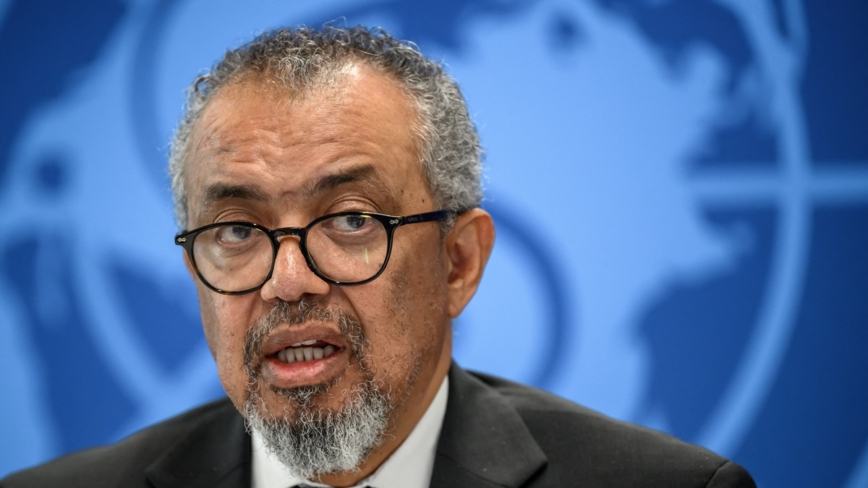
Editor : Liu Ming / Publisher : *News Direct* Production Team / https://www.ntdtv.com/gb/2026/10/08/a104140094.html / Image : World Health Organization Director-General Tedros stated on X that, because the information provided by Russia remains incomplete, the WHO is currently unable to fully assess the risk. (Fabrice Coffrini / AFP via Getty Images)

世卫再追俄鼠疫真相 预言书三大巧合引关注
Questions continue to surround the plague incident in Russia; today (8 October 2026), the World Health Organization once again demanded that Moscow disclose the full facts.

World Health Organization Director-General Tedros stated on X that, because the information provided by Russia remains incomplete, the WHO is currently unable to fully assess the risk.

Tedros noted that on 2 October 2026, media reports revealed a staff member at the Anti-Plague Research Institute in Irkutsk, Russia, was suspected of contracting pneumonic plague and subsequently died from severe pneumonia.

The WHO also learned that Russian authorities held a meeting that same day to discuss a local resident suspected of having a dangerous infectious disease.

The WHO subsequently requested further information from Russia. On the 6th, the Russian side responded that no plague cases had been detected, yet approximately 200 contacts had been placed in quarantine.

Tedros stated that the WHO is seeking details regarding the test results of the deceased and the contacts, the reasons for the quarantine, and the current health status of these individuals.

Additionally, media reports indicated that a second staff member had developed pneumonia of unknown origin; the WHO has also asked Russia to verify this information.

Tedros emphasized that Russia must disclose complete information to clarify the truth.

Trump was recently asked whether this incident involved biological weapons; he stated that he did not believe so at this time. Moscow claims the situation is largely under control but has provided little information. Trump also revealed that he has arranged a call with Putin, hoping to obtain further clarification.

Coincidentally, a new book titled *Biological Warfare* by journalist Annie Jacobsen, published recently, was found by internet users to share three similarities with this incident in Russia.

First, the book features the plague pathogen; second, the story is set in a Siberian laboratory; and third, the plot involving authorities attempting to contain a crisis bears a resemblance to the controversy surrounding the Russian response.

In the book, Jacobson also draws a parallel between the authorities' handling of the biological crisis and the Soviet Union's concealment of the truth regarding the Chernobyl nuclear disaster.


International calls for Russia to disclose plague details; Trump notes CCP also claimed to have situation under control

Amidst suspected pathogen leakage from a Russian laboratory, there are strong international calls for authorities to disclose details regarding the plague outbreak. U.S. President Trump stated he would speak with Russian President Putin. He notably mentioned that the CCP had also previously claimed to have the situation under control—an allusion to the COVID-19 pandemic that caused a global catastrophe. Here is what he said:

U.S. President Trump: "(Is the plague in Russia a bioweapon?) Well, we don't think so. We’ll find out soon, but right now, we don't think so. If you listen to them, they say the outbreak is under control. People have said that about other things before, so we hope that’s the case this time. They are very sophisticated, very smart, and they say the outbreak is completely under control, so we hope that’s true." (We’ve heard that kind of talk before. A few years ago, during your first term. Do you feel the same way now?) "We’ve heard it many times regarding many different things in the past." (Does the sentiment coming from Russia now feel the same as the sentiment from China during the early stages of the COVID-19 outbreak?) "Well, the CCP didn't say much, and Russia hasn't said much either, but they do say they have the outbreak well under control."

Reporter: "Have you spoken with Putin?"

Trump: "I’ve got a call scheduled. It’s his birthday today. Today is Putin’s birthday."

Trump: "(Has Russia provided us with enough information about the situation in Siberia?) They’ve provided some information to our people. We hope they provide more information to our people."


Suspicions of plague in Russia and a Thai psychic's prediction

Report by : Yue Shan / Editor : Sheng Rui / https://www.ntdtv.com/gb/2026/10/08/a104140004.html / Image : City of Plague. This print depicts a scene from the Greco-Roman era where a plague sweeps through a city. (Archive Photos/Getty Images)

岳山:俄罗斯鼠疫疑云与泰国通灵师的预言
Daria Shipilova, a 28-year-old laboratory technician at the Anti-Plague Institute in Irkutsk, Siberia, Russia, died suddenly in the early hours of 2 October 2026 in the satellite city of Shelekhov. Russian authorities stated only that she died of pneumonia of unknown origin, but outside observers questioned whether the death was linked to a pneumonic plague infection. Subsequently, rumours of a second death circulated locally, though officials denied it.

A Thai psychic had predicted—as early as the end of last year—a terrifying epidemic "possibly originating from the direction of Russia" that would leave the landscape strewn with corpses. While this prediction has recently resurfaced online overseas, some details were overlooked; this article presents a more complete version.

Thai psychic predicted last year: A terrifying epidemic "possibly originating from Russia"

Mor Plai, a renowned Thai psychic, previously made an accurate prediction regarding a powerful earthquake in Myanmar in March 2025 that would impact Bangkok. More recently, Thailand has suffered from rare, massive flooding affecting 47 provinces and over 4 million people—a disaster she had also predicted in advance.

In a program late last year, Mor Plai predicted that the most terrifying event of 2026 would not be war, but a plague. She did not use the terms "virus" or "infectious disease," but instead referred to a "new thing"—something "never seen before."

When asked by the host whether this was a disease originating from animals or one cultivated in a laboratory and subsequently leaked... Plai explained that the source of this disease lies in a laboratory rather than originating solely in nature; the two elements have "merged," resulting in heightened transmissibility. She emphasized that this information was revealed to her by the divine.

Throughout the interview, Plai repeatedly referred to this as a "hybrid disease," noting that ancient pathogens have become intermingled with components derived from human experimentation.

She stated that the divine showed her the keywords "tuberculosis" and "Black Death."

Plai described the epidemic not as a single, massive outbreak, but rather as a process akin to falling petals or shedding leaves—people will perish in successive waves. Furthermore, the disease will not necessarily strike the entire globe simultaneously; instead, it will initially concentrate in specific regions and countries.

Plai noted that while the situation might not escalate to the point of "total lockdowns where no one can leave their homes," the scenes witnessed would be harrowing: vast numbers of corpses strewn across affected areas—a sight so overwhelming it induces a state of numbness.

She warned that 2026 marks only the beginning; the truly critical phase will unfold in 2027 and 2028, potentially persisting through 2030.

Plai stated that the greatest danger in 2026 is not the all-out war people might imagine, but rather what she terms an "invisible war"—specifically, biological warfare. This type of conflict would not necessarily manifest as nationwide lockdowns or border closures; instead, biological weapons would be released in localized areas as part of an experimental strategy.

She explained that while life might appear normal on the surface, society would see a rise in mysterious illnesses with no identifiable cause—such as intractable pneumonia or severe diarrhea—that baffle the medical system.

When the host asked if these diseases originated in Thailand, Plai emphasized that they did not arise locally but were "brought in from outside."

She pointed out that the pathogen could enter Thailand via foreign air travelers and subsequently spread; the carriers themselves might not even realize they are infected. Plai suggested that the virus "likely originated from the direction of Russia." (Click to watch the related video)

It is worth noting that Plai's predictions have not always been entirely accurate; for instance, she once forecast a severe global communications and technology crisis between August and September of this year—predicting widespread internet outages for major telecom carriers and a massive global system crash—yet no such event occurred.

Nevertheless, the aforementioned prophecy regarding a potential new epidemic outbreak serves, at the very least, as a warning for people to remain vigilant and consider ways to protect themselves.

Russian Institute Involved in Biological Weapons Research

Plai’s prophecy foretold a hybrid epidemic in Russia linked to tuberculosis and the Black Death—an outbreak originating in a laboratory and potentially involving biological warfare—which appears to bear a resemblance to real-world events.

Following the death of Shipilova, a 28-year-old technician at the Irkutsk Anti-Plague Institute, on October 2, nearly 200 people who had been in contact with her were hospitalized for isolation by 6 October 2026. Local media reported that Shipilova likely contracted pneumonic plague after handling a broken test tube. Alexei Tsydenov, leader of the Buryatia Republic (which borders Mongolia), had previously stated that the 28-year-old woman "may have died of the plague."

However, a senior Russian epidemiologist pointed out that staff at the Irkutsk Anti-Plague Institute wear specialized protective gear; the probability of contracting pneumonic plague merely from breaking a test tube is extremely low. Consequently, the official explanation regarding the broken test tube is difficult to substantiate, raising suspicions that the actual circumstances may have been concealed.

Although Russian authorities attributed Shipilova's death to "pneumonia of unknown origin" rather than a suspected plague infection, the city of Irkutsk and its surrounding areas were placed under epidemic control measures. The hospital ward where Shipilova was treated has been quarantined; it has ceased admitting new patients and temporarily suspended patient discharges. The independent media outlet Meduza reported that several hospitals in Irkutsk have implemented a three-week quarantine.

Russian media outlet Altapress interviewed virologist Alexander Chepurnov, who explained that Russia's regulation requiring a 21-day observation period for researchers handling "human-transmissible pathogens" stems from an incident in the 1930s. In that case, an employee at a plague-control institute in Saratov was unknowingly infected; symptoms only appeared after the employee had traveled to Moscow. Neither the individual nor the treating physicians recognized the illness as the plague in time, and all involved ultimately died. The quarantine period currently imposed by the hospitals is also exactly three weeks.

2026年10月7日,一名女子走过位于伊尔库茨克市的防鼠疫研究所。(Tatyana Makeyeva/AFP via Getty Images)
Image : A woman walks past the plague-control institute in Irkutsk on 7 October 2026. (Tatyana Makeyeva/AFP via Getty Images)

The Russian edition of *The Moscow Times*, citing sources, reported that since 1 October 2026, ambulances transporting contacts for medical checks have been accompanied by personnel from the Federal Security Service (FSB). The FSB is Russia's primary national security and intelligence agency and does not typically appear at the scene of routine infectious disease control operations. Such an escort, elevated to the level of national security, has raised suspicions.

Marshall Billingslea, who served as Special Presidential Envoy for Arms Control under President Trump, revealed on the social media platform X that he had worked with Ken Alibek—the number-two figure in the Soviet biological weapons program—after Alibek defected to the United States in the 1990s. Alibek claimed that they had genetically engineered an antibiotic-resistant strain of the plague bacterium and had conducted research on plague chimeras (pathogens created by fusing two or more different pathogens). Alibek specifically noted that the Irkutsk Institute was also involved in this biological weapons program.

Billingslea stated that the recent events in Russia "might not just be 'plague'; it could be something far more terrifying."

The "far more terrifying" scenario Billingslea alluded to likely refers to biological warfare—the deliberate use of pathogens such as bacteria and viruses as weapons against humans.

Just at the end of July this year, a book titled *Biological Warfare*, published in the United States, described an accident at a high-security laboratory in Siberia, Russia, where a genetically modified pneumonic plague pathogen leaked, triggering a systemic collapse and anarchy. Is this merely a coincidence?

What lies behind the China-Russia cross-border infectious disease emergency drill?

Another suspicious circumstance is that just over a month ago—from 24 to 27 August—a joint China-Russia emergency drill regarding cross-border infectious disease outbreaks was held in Fuyuan City, Heilongjiang Province, China; Fuyuan sits directly across the river from Russia. The cross-border drill simulated the response to imported infectious diseases, such as the plague. The facility where the recent fatalities occurred was the very same Russian Anti-Plague Institute in Irkutsk; its director, Sergei Balakhonov, had participated in that "cross-border infectious disease" drill.

Less than two months after the China-Russia border drill on plague response, news emerged that personnel at the involved institution had been infected and died. Many netizens have questioned whether both China and Russia had known all along that an outbreak would occur.

On 18 September 2019, an emergency response drill centered on the novel coronavirus was held at Wuhan Tianhe Airport in China. Three months later, cases of the novel coronavirus appeared in Wuhan—initially identified as "pneumonia of unknown cause." Subsequently, the Chinese Communist Party's massive cover-up of the truth led to a global pandemic that has yet to subside. There has been a persistent theory that the virus originated from a laboratory leak in Wuhan, China. Regarding the outbreak of so-called "pneumonia of unknown origin" in Russia, netizens have asked: "What is the likelihood that China will be affected?"

On 6 October 2026, when foreign media asked whether China had established contact with Russia to discuss cooperation in responding to the outbreak, a spokesperson for the Chinese Foreign Ministry merely stated that China and Russia "maintain close communication and cooperation" in the field of infectious disease prevention and control. What secrets lie hidden behind this bureaucratic response, which lacks any expression of human concern?

Following a fatal case of plague infection among laboratory personnel in Russia, countries such as Uzbekistan, Kazakhstan, Kyrgyzstan and Tajikistan have stepped up quarantine measures and testing to prevent the outbreak from spreading to their own territories. Fortunately, air links between Russia and most developed nations were severed after Russia invaded Ukraine. Yet China—Russia's so-called "good friend"—has granted visa-free entry to Russian citizens.

Both China and Russia are authoritarian regimes that boast of a "back-to-back" partnership; their elites prioritize regime stability over the genuine sanctity of life, leading to virtually identical tactics when it comes to covering up epidemics. However, the people living under CCP rule face an even grimmer situation, as the Party’s information blockades and propaganda-driven lies are far more severe. Should a new viral pandemic strike, those Chinese citizens who recognize the CCP's evil nature will be better positioned to save themselves—for Heaven helps those who help themselves.

This article reflects the views and statements of the author alone.


Inflight Pictures : My-Indo Airlines B737F

  Photo copyright by : Gan Ynng Chyan, KUCINTA SETIA