Direct translations
China's "Democratically Elected President"? He terrifies the CCP
— Gao Zhisheng "disappeared" for nine years; supporters urge not to forget
Epoch Times Reporters : Tang Bing and Hong Ning / Editor: Fang Xun / Source: The Epoch Times / https://www.aboluowang.com/2026/0814/2420727.html
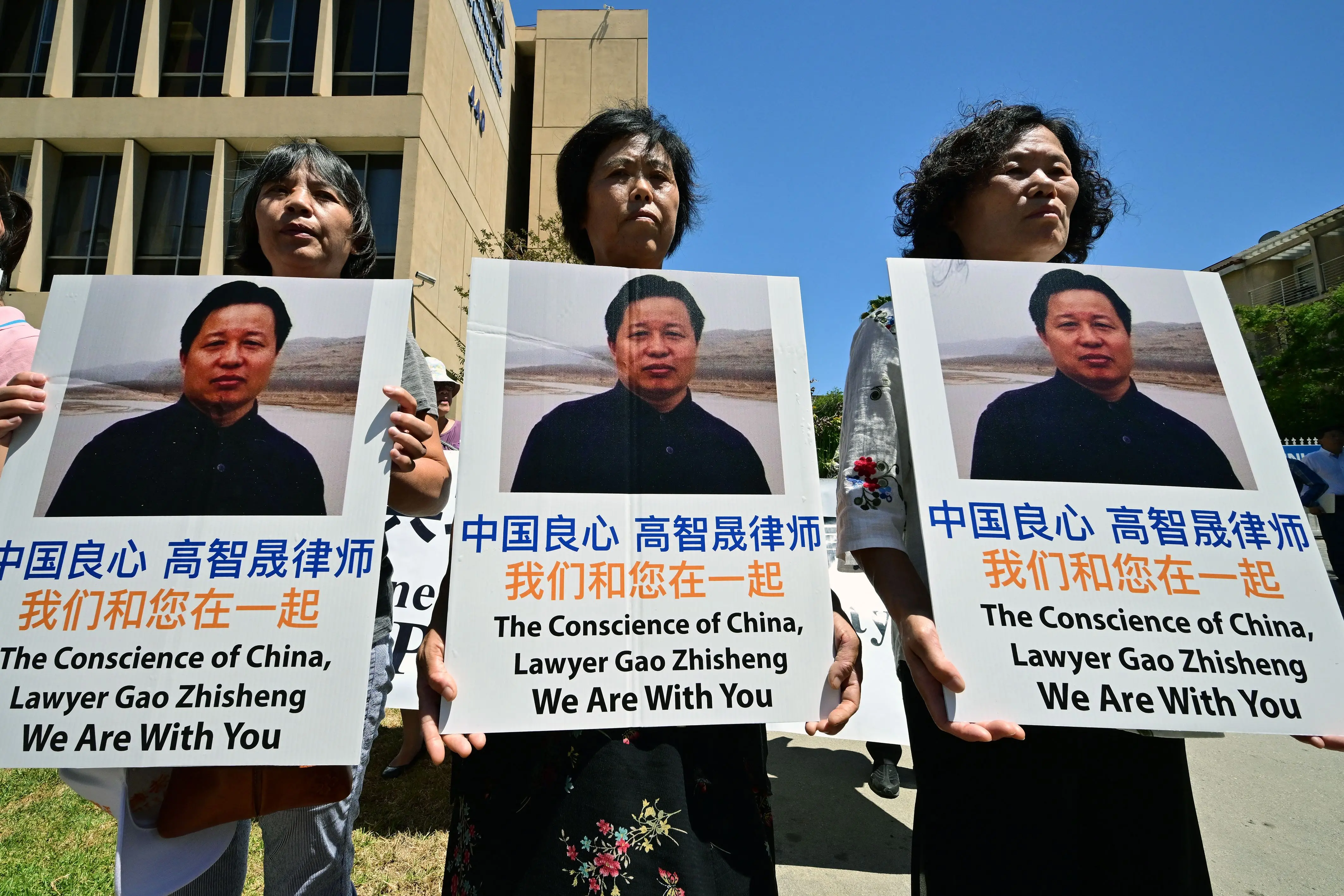
Renowned Chinese human rights lawyer Gao Zhisheng has been "missing" for nine years, his fate unknown. The Chinese Communist Party (CCP) authorities have consistently refused to provide any information, even denying the fact of his detention. Many observers both in China and overseas have expressed their respect for Gao Zhisheng and their anger towards the CCP, urging that he not be forgotten. They believe the CCP's secret imprisonment of Gao Zhisheng stems primarily from fear of a deep-seated crisis within the regime.
Mainland Lawyer: He has a divine blessing; The CCP is very afraid of him
Born on 20 April 1964, Gao Zhisheng is from Jia County, Yulin City, Shaanxi Province. He has practiced law since 1996, long advocating for the rights of vulnerable groups. He has defended cases considered sensitive by the authorities, including Falun Gong practitioners, underground Christians, and impoverished farmers and private entrepreneurs who have disputes with officials. He is widely respected and hailed as "China's conscience," "a pioneer of China's human rights movement," and "a leading figure in China's human rights lawyer community."
Yang Dong (pseudonym), a human rights lawyer involved in the 709 crackdown, told The Epoch Times that Gao Zhisheng had a significant influence on him.
“When I first started out, I watched a documentary called ‘Beyond Fear: The Story of Gao Zhisheng,’ which taught me about his situation. I also read his book, ‘2017, Rise Up, China.’ This information was circulating, and the CCP was very afraid of him.”
Yang Dong believes that Gao Zhisheng was blessed by divine intervention. “He was persecuted many times, yet he didn’t die, and he never yielded. The CCP’s secret agents and state security officers jokingly said that he was the democratically elected president, the people’s president. So, the CCP is actually very afraid of him.”
Yang Dong said that the environment in China is getting worse, and the CCP is increasingly feeling a crisis of regime, fearing those who have great influence among the people. The CCP has controlled Gao Zhisheng for so many years, making him seem like he has disappeared from the face of the earth, without any news, “but I believe he is definitely still alive.”
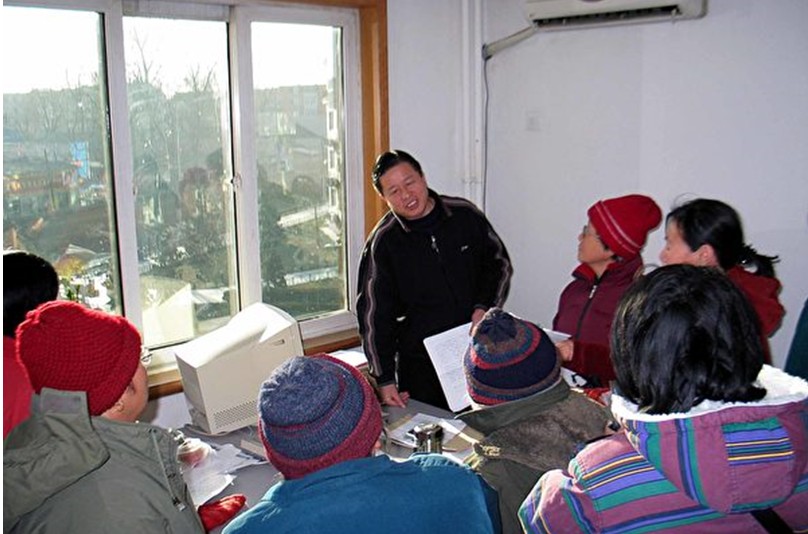
Image : Photo of Gao Zhisheng with petitioners. Provided by Han Yiyan
Former Imprisoned Lawyer: Gao Zhisheng's torture was ten thousand times more severe than mine
Since the end of 2004, Gao Zhisheng repeatedly petitioned high-ranking officials of the Chinese Communist Party (CCP), arguing that the suppression of Falun Gong and other groups lacked legal basis and demanding that the authorities change their methods. He also participated in the investigation into allegations of organ harvesting from Falun Gong practitioners. He was nominated for the Nobel Peace Prize three times. In November 2005, Gao Zhisheng and his wife publicly announced their withdrawal from the CCP.
Gao Zhisheng was repeatedly harassed and tortured by the CCP using mafia-like methods. In August 2006, his license was revoked and he was secretly abducted, during which time he was subjected to four months of torture. On 22 December 2006, a Beijing court sentenced Gao Zhisheng to three years in prison with a five-year suspended sentence for "inciting subversion of state power." However, during his probation period, he was repeatedly secretly abducted and tortured.
In 2007, Gao Zhisheng published an open letter to the U.S. Congress describing the human rights situation in China and calling for a U.S. boycott of the 2008 Beijing Olympics. Shortly after, he was tortured for two consecutive months. In February 2009, he lost contact with the outside world. Under international pressure, he briefly appeared in Beijing in April 2010 for an interview with the Associated Press, before disappearing again for 20 months.
Gao Zhisheng was released on 7 August 2014, after serving three years of a wrongful imprisonment, but his physical and mental condition was extremely poor. He was placed under house arrest by the authorities after his release.
In 2016, Gao Zhisheng published his book, *2017, Rise Up, China*, documenting the CCP's kidnapping, imprisonment, and torture of him, and testifying to divine revelation, predicting the CCP's downfall, and offering his views on building a democratic and modern China.
In January 2017, he publicly released a draft of the *Constitution of the Federal Republic of China*. This draft outlines his propositions and visions for constitutional democracy, federalism, and national transformation in China's future. The draft was published on the Epoch Times website. (Link)
On 13 August 2017, Gao Zhisheng, while under illegal house arrest in his hometown in Shaanxi Province, suddenly lost all contact with the outside world and his whereabouts became unknown.
Zeng Yuan (pseudonym), a mainland human rights lawyer who was sentenced by the CCP for "inciting subversion of state power," told the Epoch Times that Gao's charges and sentence were similar to his.
"In terms of publicly available sentences, I have one more charge than Gao, and two or three more years of imprisonment, but the persecution and torture Gao Zhisheng suffered is a thousand times, ten thousand times more severe than mine! The harm Gao suffered is unimaginable and unacceptable!"
Zeng Yuan believes that Gao's draft constitution on the future democratic constitutionalism of the new China, his interviews with foreign media after his release from prison, and the human rights awards he received from the international community have angered the authoritarian and dictatorial CCP's top rulers.
"Attorney Gao has played a positive role in promoting democracy and constitutionalism in China, and has served as a model for the awakening of the Chinese people. Attorney Gao has long been subjected to the evil and barbaric suppression of the CCP, which even made him disappear for nine years, neither alive nor dead, without a trace. This is truly the height of evil and terror, sending chills down one's spine!" he said.
Zeng Yuan believes that for the past nine years, the authorities have certainly tried every means to force Attorney Gao to confess and abandon his ideals of democracy and constitutionalism. Gao Zhisheng certainly refused to comply with their demands, which is why he has not been released to this day.
Zeng Yuan wants to say to Attorney Gao: "You are supported by me and all my fellow advocates who love democracy and freedom! You are not alone! Let's cheer each other on! Let's work together! Let's change China! In the near future, the democratic Greater China we hope for will surely be realized! Better to die upright than live on your knees! You are doing great! Persistence will lead to victory! Long live freedom! Democracy will prevail!"
Dong Quan (pseudonym), a lawyer from the 709 crackdown in mainland China, stated that Attorney Gao Zhisheng's nine-year disappearance is sufficient proof that evil has no bottom line. The CCP's actions fully constitute illegal detention and other related crimes. However, the evil of the CCP's public security, procuratorate, and judicial system is intertwined; there should be no illusions about it.

Image : Book cover of "God Fights With Us" provided by Boda Press
Insider: Gao Zhisheng's case is a taboo in China
Fang Zheng, a leader of the 1989 Tiananmen Square protests, told The Epoch Times that Gao Zhisheng had already been detained and tortured multiple times by the CCP government before his recent disappearance, and this time he likely suffered even more severe treatment.
Fang Zheng said that everyone calls Gao Zhisheng the backbone of the nation and the conscience of China. "Such an image of unyielding integrity is naturally feared by the CCP government because he can inspire many people. The CCP is now afraid of the awakening of the people, afraid of Gao Zhisheng's tenacious and indomitable spirit of resistance, because the CCP knows its sins are too numerous."
Gao Zhisheng's wife, Geng He, and their two children are currently in exile in the United States. Since leaving mainland China with her children in 2009 and obtaining asylum in the United States, Geng He has consistently spoken out publicly for Gao Zhisheng, whose fate remains unknown, and has been searching for her husband's whereabouts.
Fang Zheng stated that Gao Zhisheng's immediate family has also received no information. The Gao Zhisheng case is a taboo subject in China. When his family inquires with the government, no one pays attention. Even when they hire lawyers to inquire about Gao Zhisheng's situation, no lawyer is available; there is absolutely no room for maneuver. The CCP has gone to great lengths to completely block the news.
"This is a very strange and very important phenomenon, enough to attract the attention of the international community. We must speak out for Gao Zhisheng; otherwise, how can justice be served?" he emphasized.
He stated that Gao Zhisheng is now the family member of a U.S. citizen, and the U.S. government has the right and the ability to inquire. "We urge the US government to put pressure on the CCP government and Xi Jinping."
The outcry of supporters: Jie Lijian, chairman of the International Alliance of the China Democracy Party, lamented: "The sky in America is blue and free, while the sky in China is dark, terrifying, and suffocating."
He told The Epoch Times that lawyer Gao Zhisheng is hailed as the backbone of China. For nine years, his wife and family have endured immense suffering, searching for hope in despair and darkness. Where is lawyer Gao Zhisheng? We, people around the world who care about democracy and human rights, demand answers from the CCP's tyranny:
"Immediately release lawyer Gao Zhisheng so he can reunite with his family. Justice will not be absent; evil criminals will be brought to justice."
"Lawyer Gao Zhisheng, have you heard our cries? Has the Communist Party's tyranny heard the world's condemnation and roar of justice? Human rights abusers will be brought to justice."
"Salute to lawyer Gao Zhisheng, salute to all the backbone of Chinese human rights who speak out for justice in the darkness," said Jie Lijian.
A lawyer residing in the US praises Gao Zhisheng and calls for not forgetting. Former Chinese human rights lawyer Wu Shaoping told The Epoch Times that Gao Zhisheng represented many cases involving religious beliefs, such as those concerning Falun Gong. These types of cases are highly sensitive within the CCP regime.
"He is the bravest one. In terms of defending human rights, I think he is the most epoch-making." "Wu Shaoping said that Gao Zhisheng, born into poverty, rose to become a renowned lawyer through personal effort, a truly legendary story. He possesses unwavering resilience, choosing to continue the struggle despite long-term persecution by the CCP, and even writing a lengthy statement in 2017 asserting that the collapse of the CCP regime was imminent.
"Under such circumstances, his ability to continue speaking out and telling the world is itself extremely difficult, demonstrating his unwavering integrity," Wu Shaoping said.
"The nine years since Gao's enforced disappearance have shown the world what kind of regime the CCP is. The CCP has not only violated its own laws but also international regulations. Therefore, it is crucial for the international community to continue paying attention to Gao Zhisheng's safety.
'Letting everyone know that the world has not forgotten Gao Zhisheng, and that everyone is still working hard to find and rescue him. I think this is very important.'" "He said.
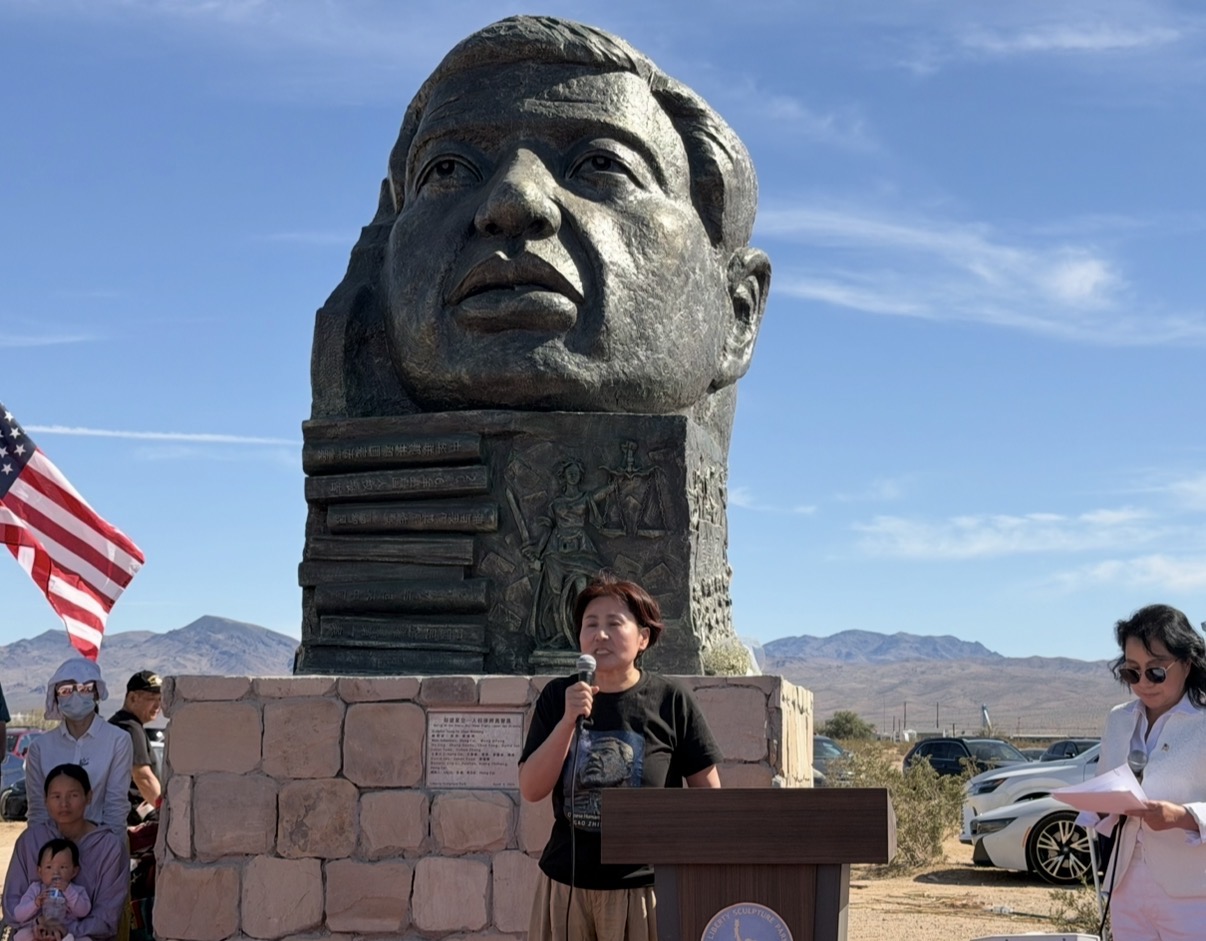
Image : On 4 April 2026, more than 200 guests gathered at the Liberty Sculpture Park in Southern California to attend the unveiling ceremony of the statue of Chinese human rights lawyer Gao Zhisheng. Gao Zhisheng's wife, Geng He, spoke. (Chen Deyi/The Epoch Times)
Geng He: Justice will never be absent
On 8 August 2026, at the Gao Zhisheng Sculpture Park..." On the ninth anniversary of Gao Zhisheng's disappearance, his wife, Geng He, along with others concerned about human rights in China, visited Liberty Sculpture Park in California to hold a memorial event in front of Gao Zhisheng's sculpture, "Looking Up at the Stars—Gao Zhisheng."
According to a report by *Beijing Spring*, the crowd gathered at the base of the sculpture and sang "The Watcher in the Abyss," a song written for Gao Zhisheng. The song echoed across the vast deserts of Southern California, commemorating Gao Zhisheng's years of efforts for the vulnerable, human rights, and the rule of law. This was another appeal for international attention to his whereabouts.
Among the crowd, Gao Zhisheng's wife, Geng He, stood before her husband's sculpture, singing along with the others.
The report stated that for other participants, it was a memorial event; but for Geng He, the sculpture before her represented her husband, whom she had been unable to see freely for nine years. The statue was so close, yet the real-life loved one was separated by numerous obstacles, adding a somber tone to the day's commemoration.
On 10 August 2026, Geng He posted on social media thanking U.S.-based human rights activist Chen Guangcheng for participating in the "Nine Years of Vigil" event in support of Gao Zhisheng. She addressed Gao, saying:
The years of forced disappearance
cannot be a reason for silence
No news
cannot be a reason to stop asking
We demand the CCP reveal your true whereabouts
We demand the CCP stop its illegal detention and persecution of you
We call upon you
We call upon you, the conscience of China's lawyer
to return home safely and freely
We know that sometimes justice is delayed
But I firmly believe that justice will never be absent
Zhu Rongji has passed away! The official obituary has a subtle tone; has the wind of the times shifted?
Reporter : Wang He / Source : NTDTV / https://www.aboluowang.com/2026/0813/2420348.html / Image : Former Chinese Premier Zhu Rongji. (Feng Li/Getty Images)
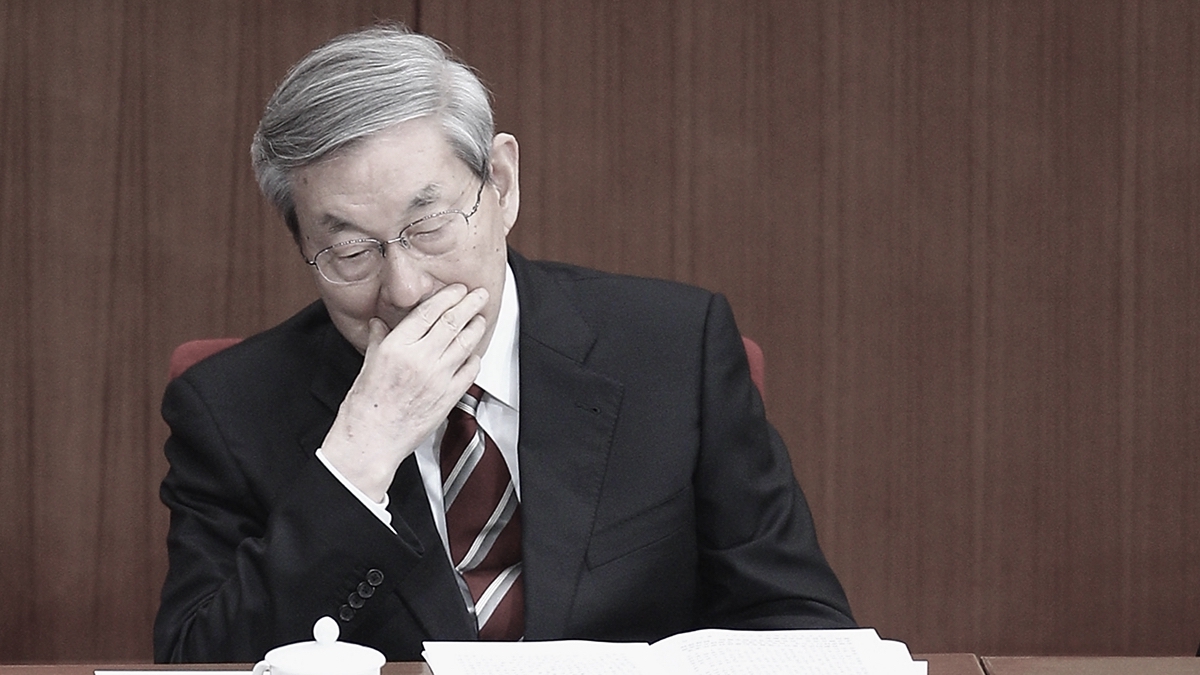
Former Chinese Premier Zhu Rongji passed away in Beijing on 12 August 2026. The official obituary gave him high praise, but overseas observers pointed out that the obituary deliberately concealed details of Zhu Rongji's early life, reflecting the authorities' intention to "forcefully glorify" him by using the death of a political elder, and also marking the accelerated end of the CCP's "reform and opening-up era."
In the official obituary, Zhu Rongji was described as a leader who "dared to speak the truth and was not afraid to offend people," and it emphasized that he had "firmly supported" the current leadership.
However, senior current affairs commentator Chen Pokong pointed out in an interview that the official obituary contained several obvious instances of "historical embellishment" and irony.
First, the obituary made no mention of Zhu Rongji being labeled a "rightist" in 1958 or the setbacks during the Cultural Revolution, reflecting the authorities' cover-up of sensitive historical memories.
Secondly, while the official praise for his "courage to speak the truth" is significant, speaking the truth carries immense risk in the current political climate, which is itself a regression.
Regarding the obituary's claim of "firm support," commentators have pointed out that Zhu Rongji actually had significant disagreements with the current leadership's ultra-leftist line in his later years. As early as the 19th National Congress of the Communist Party of China, Zhu Rongji was filmed as one of the very few elders present who did not applaud; previously, the *Wall Street Journal* also reported that Zhu Rongji explicitly opposed breaking the term limits for leaders. Chen Pokong believes that the obituary's call for the public to "unite around Xi Jinping's central leadership" is essentially the authorities forcibly "borrowing the glory" of a political elder after his death.
Furthermore, the financial and economic system led by Zhu Rongji has also suffered continuous political purges in recent years. Whether it's his protégé Wang Qishan's former subordinates or many reformist financial officials, they have frequently faced investigations and marginalization.
Although Zhu Rongji promoted the tax-sharing system, China's accession to the WTO, and state-owned enterprise (SOE) reform during his tenure—despite the ongoing controversy surrounding the massive layoffs resulting from SOE reform—it is widely believed that with the passing of Zhu Rongji and other veteran reformers, and the current comprehensive policy shift, the "era of reform and opening up" has effectively come to an end.
From the carefully worded official obituary to the differing opinions on his historical legacy, Zhu Rongji's death is not merely the end of a political symbol, but also reflects the complex political landscape and shifting tide in China today.
Zhu Rongji's merits and demerits are highly controversial! The inside story of his successful "rebellion in Heaven"
Reporter : Wang Duruo / Editor : Zhongkang / https://www.aboluowang.com/2026/0813/2420397.html
Is Zhu Rongji's merit and demerit complex? Former Chinese Premier Zhu Rongji passed away on 12 August 2026, at the age of 98. During his tenure, China entered the WTO and gained enormous economic and trade benefits, but the impact of this history on global trade is viewed with polarization.
The Controversies of the WTO
On 15 November 1999, the final day of the US-China WTO negotiations, then-Premier Zhu Rongji personally attended the negotiations. According to the memoirs of Long Yongtu, the Chinese negotiator at the time, only seven issues remained unresolved. Zhu Rongji, with a stern face, told everyone: "We must sign an agreement today. We can't let the Americans get away. I will talk to them." After Zhu Rongji made "significant concessions," the two sides signed an agreement. He later admitted that he had received authorization from then-CCP leader Jiang Zemin.
Why did Jiang Zemin instruct Zhu Rongji to make significant concessions to the United States at the last minute? According to scholar He Qinglian's 2018 social media post, Zhu Rongji delivered a "famous speech" within the State Council system, responding to external concerns about the impact on agriculture and media openness: "We agreed to (the US conditions) now in order to join the WTO. After joining, whether or not we abide by them is in our hands. Every rule has loopholes that can be exploited; everyone should study them carefully." Those listening immediately understood the implication, and after the five-year observation period, the CCP entered a phase of not adhering to the agreements.
Netizens revealed that then-Premier Li Peng's description of the same issue was more direct and vivid. He once described it as: "Joining the WTO is like Sun Wukong entering Princess Iron Fan's belly. Once inside, you can wreak havoc in Heaven; if you don't, you'll never succeed… Get in first, then we'll talk." It's worth noting that neither Zhu Rongji's "loophole theory" nor Li Peng's "Sun Wukong theory" are mere speculation; they are widely circulated within the CCP's top leadership and are statements the CCP itself doesn't shy away from. Such statements have extremely wide reach within the system, which is why they are repeatedly leaked by insiders, indicating that this "agree first, then exploit loopholes" strategy was a tacit consensus within the CCP's top leadership from the very beginning.
After joining the WTO, the CCP illegally erected various trade barriers and high tariffs to counter the entry of American products—competitive American products either couldn't enter China at all or were subject to high tariffs, while corresponding Chinese products flowed freely in the US. The CCP imposes high tariffs and censorship on highly competitive American products such as film, pharmaceuticals, automobiles, banking, securities, and insurance, while completely blocking the most competitive American internet companies and media outlets, including Google, Facebook, X, and Instagram. This unfair trade practice has continued from the Jiang Zemin era to the present day, inherited by successive governments, until the Xi Jinping era.
More than a decade later, Americans finally realized that the CCP had no intention of fulfilling its WTO commitments. Instead, it used the advantages of WTO accession to systematically force technology transfer, steal American technology, and cripple American manufacturing through trade barriers, government subsidies, and dumping cheap products. This led to President Trump launching a trade war against the CCP in 2018, demanding that Beijing undertake structural reforms and become a true market economy. On December 11, 2021, the 20th anniversary of China's accession to the WTO, U.S. House Speaker Nancy Pelosi tweeted: "20 years ago, by granting China WTO membership, the world gave the CCP a blank check, and the CCP broke its market promises, deceived American workers, and exploited its own workers."
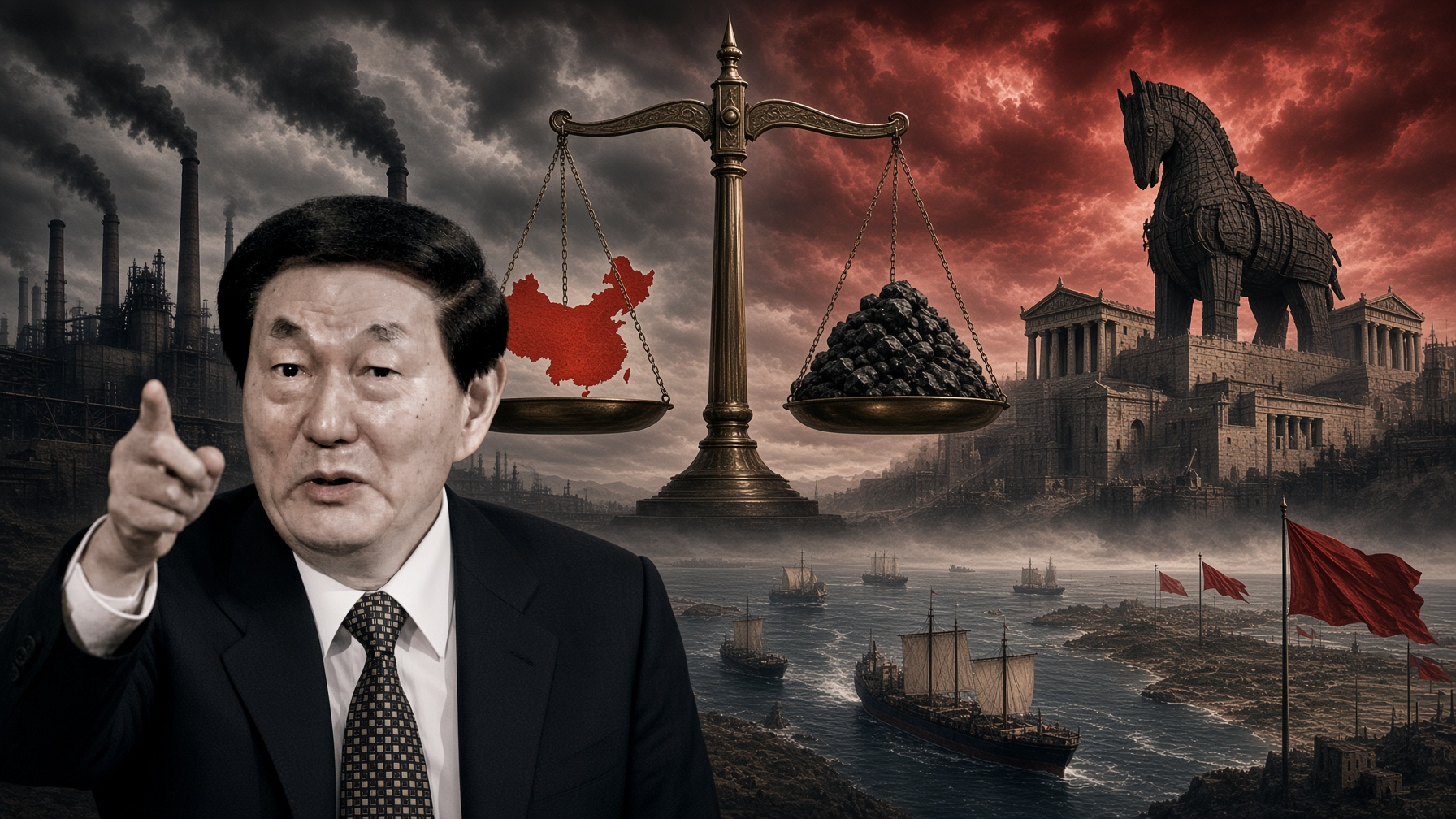
In fact, joining the WTO was a successful operation of the CCP's unrestricted economic warfare, equivalent to planting a "red Trojan horse" in the Western free market economic system, whose sole instruction was to destroy this free market system. The more than two decades of CCP participation in the WTO have been more than two decades of this red Trojan horse's comprehensive invasion and plunder of Western market economic resources, and the United States is the biggest victim of this "Trojan horse massacre."
The hollowing out of American manufacturing: The CCP's century-long unrestricted economic warfare
In the wave of globalization, a large number of strategic American manufacturing industries, such as steel, aluminum, rare metals, electronics manufacturing, solar photovoltaics, battery storage, and pharmaceuticals and medical equipment, have shifted to China, severely damaging US national security. Century Aluminum CEO Bryce revealed that the number of aluminum smelters in the United States has shrunk from 23 in 2000 to only 5 today, with only 2 operating at full capacity. Meanwhile, China accounts for 56% of global aluminum smelting capacity. Retired Brigadier General Adams pointed out that aluminum is widely used in F/A-18 and F-35 fighter jets and Coast Guard vessels, yet the US supply chain relies on China and Russia, directly threatening national defense security.
According to data from the Economic Policy Institute, between 2001 and 2018, the U.S. closed nearly 90,000 manufacturing plants and lost 3.7 million jobs due to business relocation, primarily to China. A McKinsey 2024 report shows that U.S. shipbuilding output has declined by more than 85% since the 1950s, with its share of global ocean-going merchant ship construction remaining at only 0.1% to 0.2%. In contrast, in 2024, a single state-owned shipbuilding enterprise in China will build more merchant ships in a single year than the U.S. has built in the 80 years since the end of World War II. Former Trade Representative Robert Lighthizer lamented that while the U.S. invented the personal computer and semiconductors, its own semiconductor production now accounts for only 8% of the global total. Secretary of State Marco Rubio bluntly stated that the CCP is not interested in making money; its real goal is to monopolize the market and control pricing power.
Aboluowang commentator Wang Duran pointed out that the CCP's economic system is essentially a "wartime system"—land, raw materials, supply chains, wages, and exchange rates are all controlled by the CCP, allowing for "unrestricted" dumping of environmental, human, and financial resources. According to the Council on Foreign Relations, environmental pollution costs China 3% to 10% of its GDP annually, almost offsetting GDP growth; approximately 9 million people die globally each year from pollution-related diseases, with China accounting for 2.4 million, ranking first globally. Regarding subsidies, CSIS research shows that in 2019, the CCP subsidized favored industries with amounts ranging from $248 billion to $407 billion; an IMF report indicates that between 2009 and 2022, subsidies accounted for 95% of China's trade-distorting policies, with batteries, photovoltaics, and electric vehicles receiving the most subsidies.
"Debt Trap": Global asset harvesting under the Belt and Road Initiative
The CCP simultaneously uses a "debt trap" to control strategic assets in developing countries. The Hambantota Port in Sri Lanka is a prime example—after a decade of bribing officials and providing high-interest loans, the CCP successfully acquired a 70% stake and a 99-year lease for the port. According to a report by AidData from the College of William & Mary, from 2000 to 2017, the CCP funded projects in 165 countries totaling over $843 billion; from 2013 to 2022, during the Belt and Road Initiative, global accounts receivable reached approximately $1.1 trillion, with 80% flowing to financially distressed countries, and 42 countries having public debt to China exceeding 10% of their GDP.
"War Is Not Far From Us: The Midwife of the Chinese Century"
The critical period of China's WTO accession negotiations in 1999 coincided with the publication of the book "Unrestricted Warfare," which systematized the CCP's strategic thinking. A widely circulated online 2003 internal speech by former Defense Minister Chi Haotian, titled "War Is Not Far From Us, It Is the Midwife of the Chinese Century," further reveals the strategic core of the CCP system: focusing on economic construction is merely a pretext; focusing on war is the consistent aim; the fate of the Party is above all humanity; the CCP and the United States are irreconcilable adversaries, and solving the "American problem" is a task history has entrusted to the CCP. This speech has been widely circulated online, and based on its content, language style, and values, its credibility is very high, thus becoming an important document for the outside world to understand the CCP's true intentions.
Attachment: War Is Not Far From Us, It Is the Midwife of the Chinese Century https://www.aboluowang.com/2009/0225/120319.html
Wang Duran: Why is Zhu Rongji's position so controversial?
Wang Duran points out that the polarized evaluations of Zhu Rongji largely depend on the commentators' own stances. If one stands on the side of supporting the CCP, believing that the market economy and property rights reform are used to prolong the CCP regime's life, thereby infiltrating the West and seeking world hegemony, then Zhu Rongji would naturally be highly praised. However, from the perspective of ordinary people, this high praise is untenable.
Wang Duran analyzes that the CCP's first half of rule involved confiscating the private property of ordinary people and implementing public-private partnerships under the guise of "revolution." Zhu Rongji's leadership in state-owned enterprise reform—the industrialization of healthcare, education, and housing—was essentially "dividing up state assets under the guise of reform." After the reforms, a large amount of the original state assets flowed into the private pockets of government officials, countless state-owned enterprise workers lost their jobs, families were ruined, and some even committed suicide out of despair. After industrialization, ordinary people could not afford medical care, education, or old-age support; the "four mountains" weighing on the heads of ordinary Chinese people—education, healthcare, housing, and old-age care—stemmed from this. From this perspective, Zhu Rongji was actually an executor of Jiang Zemin's "crony capitalism" policy, rather than a true reform "leader," making his designation as a "reformer" inherently controversial.
Zhu Rongji's shifting stance on the Falun Gong Issue
During the "April 25th Incident" in 1999, Zhu Rongji personally issued instructions demanding an end to the harassment of Falun Gong practitioners and agreeing to release more than 40 Falun Gong practitioners arrested in Tianjin at the time. When the Politburo Standing Committee discussed the Falun Gong issue, all but Jiang Zemin of the seven members explicitly expressed their opposition to the suppression. Zhu Rongji even publicly defended Falun Gong: "Most Falun Gong practitioners are middle-aged and elderly, mostly women. Their greatest wish is simply to stay healthy… I think it's untenable to say these people have political motives… If there are bad elements within Falun Gong, we must deal with them. As for ordinary practitioners, let them practice!" These words enraged Jiang Zemin, who pointed at Zhu Rongji and shouted, "Foolish! Foolish! Foolish! This will lead to the downfall of the Party and the country!" Subsequently, Jiang Zemin and the CCP regime rapidly hardened their policy towards Falun Gong, and in July of the same year, they announced its ban.
However, as the suppression unfolded, Zhu Rongji's stance gradually softened—after the suppression order was issued, Zhu Rongji, as Premier of the State Council, did not appear on television for more than half a month. In the following three or four years, Zhu Rongji's stance gradually aligned with Jiang Zemin's, ultimately "unconditionally following the shift, turning a blind eye to the countless persecutions suffered by Falun Gong practitioners." Later, when facing related inquiries overseas, he even publicly defended the persecution, stating that "Falun Gong is a harmful cult, and the Chinese government has taken legal measures to protect the interests of the people"—a stark contrast to his earlier public stance at the Politburo Standing Committee meetings.
Zhu Rongji personally planted an unexploded bomb! Is it finally about to explode?
Reporter : Wang Duruo / Editor : Zhongkang / https://www.aboluowang.com/2026/0813/2420419.html / Image : Former Chinese Premier Zhu Rongji passed away. (Reuters)
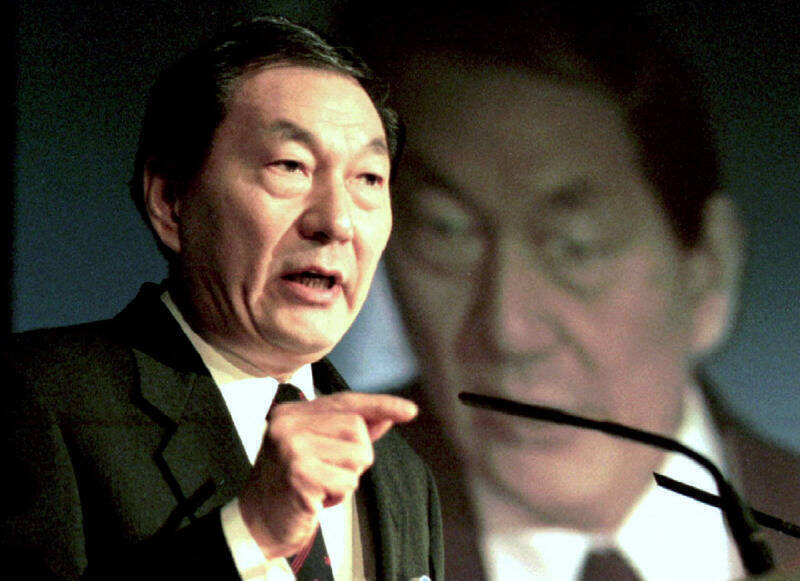
Former Chinese Premier Zhu Rongji has passed away. Shen Rongqin, an associate professor at York University in Canada, points out that while Zhu Rongji is often seen as a driving force behind China's capitalism and market economy, this is inaccurate. Although Zhu Rongji promoted some market reforms, he was essentially implementing Deng Xiaoping's line, establishing a state-led market economy.
In a Facebook post, Shen Rongqin stated that while the media focuses on Zhu Rongji's policies during his premiership, the tax-sharing system he implemented as vice premier was one of the most far-reaching policies in China's history, laying the groundwork for future land-based finance, the real estate bubble, and the local debt crisis.
In 1991, Zhu Rongji moved from Shanghai to Beijing to become vice premier. While nominally nominated by Premier Li Peng, he was actually promoted by Deng Xiaoping. At the time, Executive Vice Premier Yao Yilin, who also served as a member of the Politburo Standing Committee, was the true official in charge of the economy, finance, and banking. However, both he and Li Peng were traditional bureaucrats, and their policies differed from Deng Xiaoping's. Yao Yilin, due to his advanced age and health reasons, gradually handed over economic management power to Zhu Rongji.
At the 14th National Congress of the Communist Party of China in 1992, Zhu Rongji made a rare "three-level leap," skipping the Central Committee and Politburo memberships to directly enter the Politburo Standing Committee, becoming one of the main implementers of Deng Xiaoping's reform policies.
During his tenure, Zhu Rongji launched an anti-corruption campaign, but his son, Zhu Yunlai, later became president and CEO of China International Capital Corporation (CICC), leading the listing and restructuring of large state-owned enterprises and accumulating enormous wealth. While Zhu Rongji's SOE reforms improved the efficiency of some SOEs, they also shattered the "iron rice bowls" of many workers, especially in Northeast China where he had worked in his early years, sparking long-term discontent.
He spearheaded China's accession to the World Trade Organization (WTO), making China the "world's factory," but the CCP's failure to abide by the rules also had serious consequences for the world. Furthermore, the tax-sharing system implemented by Zhu Rongji in 1994 profoundly changed the power relationship between Zhongnanhai and local governments.
In the 1980s, the CCP began implementing a "fiscal contract responsibility system," first piloted in Guangdong and Fujian, and then extended nationwide in 1985. Local governments only needed to remit a pre-agreed amount of revenue to the central government, with the remainder at their discretion, thus creating a structure of "strong local governments and weak central governments."
To avoid increasing the central government's remittance quotas, local governments began reducing taxes for local businesses and, through pretexts such as "business sponsorships" and "fundraising for maintenance," directly used funds for urban construction and employee welfare. Local governments also significantly increased "extra-budgetary revenue," creating various administrative fees, fundraising schemes, and apportionments; at one point, the central government even borrowed money from local governments to pay salaries.
In 1994, Zhu Rongji promoted a tax-sharing system, aiming to re-strengthen the central government's financial power. After the reform, customs duties and consumption taxes went to the central government; land use taxes and property taxes went to local governments; and value-added tax was shared between the central and local governments, initially with the central government receiving 75% and local governments only 25%.
When the "fiscal contract responsibility system" was implemented, the central government's revenue accounted for a minimum of only 22% of the national fiscal revenue; after the implementation of the tax-sharing system, this figure rapidly rose to 56%. The ratio of national fiscal revenue to GDP also increased from 12.3% in 1993 to 22.6% in 2012. Shen Rongqin believes this provided Xi Jinping with the financial capital for future foreign expansion.
However, while Zhu Rongji centralized local fiscal power, he left a large amount of expenditure responsibility for education, healthcare, and social security to local governments, resulting in long-term immense financial pressure on local governments. Impoverished areas could only rely on central government transfer payments, further increasing their subservience to the central government and exacerbating regional development inequality.
Because the central government agreed to leave land transfer revenue to local governments, cash-strapped local governments began frantically selling land, driving up land and housing prices and creating a "land finance" system that lasted for over two decades.
Meanwhile, the Budget Law initially prohibited local governments from directly issuing bonds. Local governments then established local financing platforms, also known as urban investment companies, injecting land and other assets into these companies. These companies then borrowed from banks or issued urban investment bonds to fund road construction and new district development.
These debts, ostensibly belonging to the enterprises, were in reality borne by the local governments, thus accumulating a massive amount of hidden debt. When the real estate bubble burst and land sales revenue plummeted, this fiscal model, reliant on land and debt, became a "time bomb" for the continued existence of local government finances in China.
Shen Rongqin bluntly stated that Zhu Rongji did indeed promote some aspects of market economy, but his core goal was not to establish capitalism in the Western sense, but rather to strengthen central fiscal power and promote nationalism and a state-led market economy. The tax-sharing system rapidly strengthened Zhongnanhai, but it also led local governments down a path of no return: land sales, debt, and reliance on real estate.
People mourning Zhu Rongji reportedly subjected to control and censorship; Beijing on high alert to prevent situation from escalating
Editor : Tang Zixuan / https://www.ntdtv.com/gb/2026/08/14/a104123932.html
Former Chinese Premier Zhu Rongji recently passed away in Beijing. On 13 August 2026, people spontaneously went to his ancestral home in Changsha, Hunan Province, to lay flowers in mourning but the scene was controlled. Other netizens who posted condolences online were also censored. Reports indicate that the CCP is currently worried that people will use the mourning for Zhu Rongji as an opportunity to express dissatisfaction with the current situation, and Beijing is on high alert.
Former Chinese Premier Zhu Rongji passed away in Beijing at 11.06 am on 12 August 2026 at the age of 98. Zhu Rongji's ancestral home, "Tianyuan," is located in Tangpo, Heping Village, Ansha Town, Changsha.
Images circulating online show more than ten bouquets of flowers placed in front of Tianyuan, with several uniformed security personnel stationed outside.
Hong Kong's Ming Pao reported on 14 August 2026 that on that afternoon, the entrance to Zhu Rongji's ancestral home was cordoned off with retractable barriers. Those offering flowers had to hand their bouquets to staff, who would then place them in front of the ancestral home. Memorial posts featuring white chrysanthemums and candles also appeared on mainland social media, but netizens reported that the content was censored, and posts containing full names or elegiac couplets could not be sent normally.
Zhu Rongji served as Vice Premier and Premier of the State Council of the People's Republic of China from 1991 to 2003, and before retiring, he was a member of the Standing Committee of the Political Bureau of the CPC Central Committee. Zhu Rongji's death has sparked comparisons between his economic policies then and today's policies, causing considerable tension within the Xi Jinping administration.
Amidst the current economic downturn in China and the multiple pressures facing the real estate market, local debt, and waning confidence among private enterprises, Zhu Rongji's passing is likely to spark comparisons between the economic policies of the Zhu Rongji era and the Xi Jinping era.
On the day of Zhu Rongji's death, an anonymous source within the CCP system revealed to The Epoch Times that Zhu Rongji's every move in his later years was under CCP surveillance. The current concern among the CCP leadership is that "the public may use the opportunity of mourning Zhu Rongji to express dissatisfaction with reality, and even create a wider social sentiment."
He stated that the CCP has always opposed spontaneous public activities, remaining vigilant regardless of whether such activities align with official goals. Its main concern is that spontaneous actions could spiral out of control and even escalate into an anti-CCP movement.
He said that the CCP is now on high alert. Following Zhu Rongji's death, the authorities will be highly vigilant regarding related public opinion. If any signs of the mourning activities spreading are detected, the situation will likely be quickly reported to the highest power centre.


No comments:
Post a Comment