Friday, October 31, 2025

Scholars analyze the CCP's softening policy towards the U.S.
Direct translation
Internal sources: The new CCP power core has halted a major decision
—Following the Fourth Plenary Session, the CCP's policy towards the US softened. Scholars analyze this.
Reporter : Sun Ruihou / Editor : Fang Xun / https://www.aboluowang.com/2025/1031/2298812.html / Image : On the morning of October 30th, U.S. President Donald Trump held talks with Chinese Communist Party leader Xi Jinping at Gimhae Air Base in Busan, South Korea.
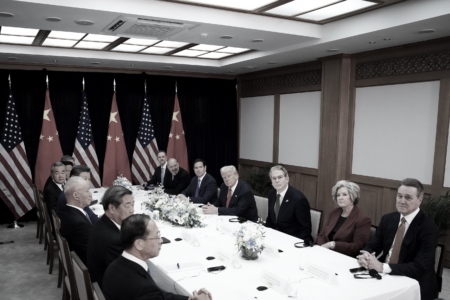
Su Ziyun, Director of the Institute of Strategic and Resources Studies at the Institute for National Defense and Security Research in Taiwan, told The Epoch Times that the Trump-Xi meeting was at least outwardly stable, suggesting a period of stability in the Indo-Pacific conflict and a temporary easing of the U.S.-China trade war.
Su Ziyun stated that this is tantamount to a temporary truce, with both sides waving a white flag.
"The rare earth issue will be buffered for a year, and then reviewed again. Basically, each side has different strategies. Beijing still wants to use rare earths as leverage when necessary, but the West will quickly reduce its dependence on rare earths from China."
Sun Guoxiang, a full-time professor in the Department of International Affairs and Business at Nanhua University in Taiwan, told The Epoch Times that the outcome of this meeting is consistent with the CCP's past "delaying tactics" logic: making concessions on low-cost, negotiable issues while delaying on core strategic issues. While the Xi-Trump meeting appeared amicable, it was more like a diplomatic painkiller, offering temporary relief but unable to alter the long-term structure of confrontation.
Regarding rare earths, veteran media professional Guo Jun stated on the "Elite Forum" program that Xi Jinping's approach before the Fourth Plenary Session aimed to forcefully play the rare earth card, initiating so-called global long-arm jurisdiction over rare earths and restricting exports of raw materials. The result was a direct US countermeasure, launching a comprehensive substitution plan. London Metal Exchange rare earth futures plummeted by 12% that day, and Chinese rare earth stocks also plunged. "This blow made many within the CCP feel that this path was ultimately unworkable."
Guo Jun revealed that, according to internal sources, the new central power core intervened and halted this approach; otherwise, the U.S.-China trade negotiations would have been impossible. "This is a very clear signal that the diplomatic and economic systems are no longer under Xi Jinping's control."
Furthermore, in recent weeks, the CCP has suddenly changed its tune, no longer mentioning the rise of the East and the decline of the West, nor discussing self-reliance and control, but instead starting to talk about the U.S.-China partnership. This is quite unlike Xi Jinping's past "wolf warrior" diplomacy. "This approach is clearly not from Xi Jinping, but from the new power core of the CCP Central Committee seeking self-preservation. They know that if the Chinese economy continues like this, the entire CCP will collapse."
Several scholars have noted a significant shift in official rhetoric after the Fourth Plenary Session of the 20th CPC Central Committee. Regarding Xi Jinping's repeated mentions of "daring to struggle and being good at struggle" at the meeting, Beijing academics stated that while this hardline language is still retained, it has lost its previous offensive connotation. This includes Xi Jinping's willingness to meet with U.S. President Trump and reach a series of compromise agreements, including those covering rare earth exports.
Mr. Tang, a political observer in Beijing, stated in an interview that this shift by the CCP reflects a repositioning of its policy focus. "Struggle" is no longer the main theme of foreign policy. He said, "This shows that the CCP leadership has realized that hardline diplomacy can no longer sustain the economic reality. The domestic economy is a mess, and some ordinary people are almost starving."
Mr. Ge, a scholar of literature and history, stated that the most attention-grabbing aspect of the Fourth Plenary Session report was the reappearance of the phrase "adhering to economic construction as the central task" in Article 4. This signifies a forced adjustment to the power structure, representing a strategic contraction and marking a loosening of Xi Jinping's dominant position within the Party.
Scholars analyze that this rapid concession is the result of a reassessment by the political decision-making body. The Fourth Plenary Session of the 19th CPC Central Committee may become a watershed moment for internal compromise. Some officials favor maintaining economic stability and oppose further hardline confrontation that drains external resources. "This shift is not merely a tactical adjustment, but a rewriting of policy logic, reflecting Xi Jinping's forced bowing to reality."
Mr. Ge analyzes that the underlying reasons for this turn also include internal disagreements within the Party regarding the future direction. He says, "Some high-ranking Party members believe that continued hardline stances will trigger more severe external blockades and capital outflows."
Scholars state that "the failure to reach a political consensus at the Fourth Plenary Session led Xi Jinping to proactively back down diplomatically to avoid greater upheaval."
Beijing political observers point out that the CPC document's reiteration of "taking economic construction as the center" is not only a policy adjustment but also a form of political defense. One scholar stated, "This is not just a turning point, but a repair. Beijing needs to use a facade of stability to mask internal turmoil."
Trump's impatience with Xi
Direct translation
During the Trump-Xi meeting, Trump appeared very impatient as Xi Jinping read from a prepared statement
Editor : Fang Xun / Source: Newtalk / https://www.aboluowang.com/2025/1031/2298689.html
U.S. President Donald Trump met with Xi Jinping in Busan, South Korea today (September 30). However, the meeting, originally scheduled for four hours, ended in just 100 minutes.
In response, writer Wang Hao analyzed that both sides were trying to create a "phased victory" at this US-China summit. Therefore, even if the meeting didn't last four hours, as long as it didn't break down, it was considered a success. He also noticed something amiss in the publicly available video footage: Trump looked at Xi Jinping reading a prepared speech by Wang Yi, "looking very impatient?"
Was the Trump-Xi meeting a counter-climax, and the lack of a breakdown considered a success? Wang Hao stated that the first Trump-Xi meeting in six years felt like a diplomatic counter-climax. The meeting, originally scheduled for four hours, ended abruptly in 100 minutes; there was no joint statement, no joint press conference, and even "Taiwan" was not mentioned. Trump left and went straight to Air Force One to return to the US, leaving Xi Jinping to continue attending the APEC meeting in South Korea.
Wang Hao pointed out that, on the surface, the US and China reached a "framework consensus"—the US lowered tariffs on Chinese goods by 10%, the rare earth issue was "resolved," China resumed purchasing U.S. soybeans, and a commitment to combat fentanyl. Trump declared himself "extremely satisfied," while Xi Jinping concluded the meeting with terms like "friends and partners." Both sides cultivated an atmosphere of "a partial victory," but substantive agreements were few and far between, with most being verbal agreements.
He believes the key to this meeting wasn't what was discussed, but what wasn't. The chip war, the Taiwan Strait situation, and technological blockades were all shelved. Trump needed a de-escalation in US-China relations to strengthen his image as a "peaceful president"; Xi Jinping, on the other hand, adopted a strategy of retreat and delaying tactics. "No breakdown is a success. This is the most accurate portrayal of current US-China relations. The temporary easing is merely the calm before the storm."
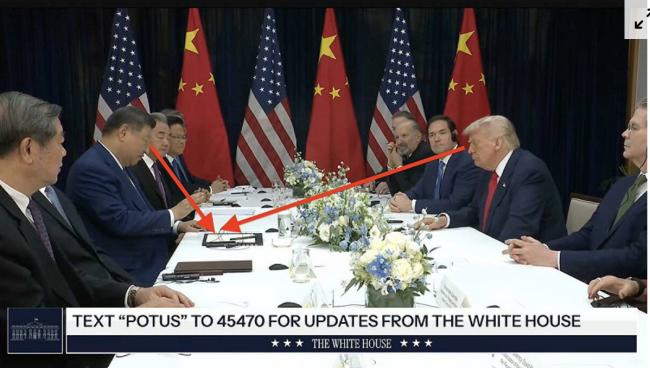
Writer Wang Hao analyzed that both sides were cultivating a "partial victory" at this US-China summit, so even if the talks didn't last four hours, as long as there was no breakdown, it was considered a success. He also noticed something suspicious: Trump looked at Xi Jinping reading Wang Yi's prepared speech with "extreme impatience?" (Image: Taken from Wang Hao's Facebook)
Thursday, October 30, 2025
Xi Jinping only speaks once throughout the entire exchange with Trump
Direct translation
Photos of the handshake between Trump and Xi Jinping have surfaced online. Xi only managed to utter one sentence throughout the entire exchange
Editor : Shi Fang / Source : NTD Television / https://www.aboluowang.com/2025/1030/2298462.html / Image : On October 30, 2025, the "Trump-Xi meeting" was held at Gimhae Air Base in Busan, South Korea. President Trump chatted and laughed, while Xi Jinping remained silent. (Screenshot from video)
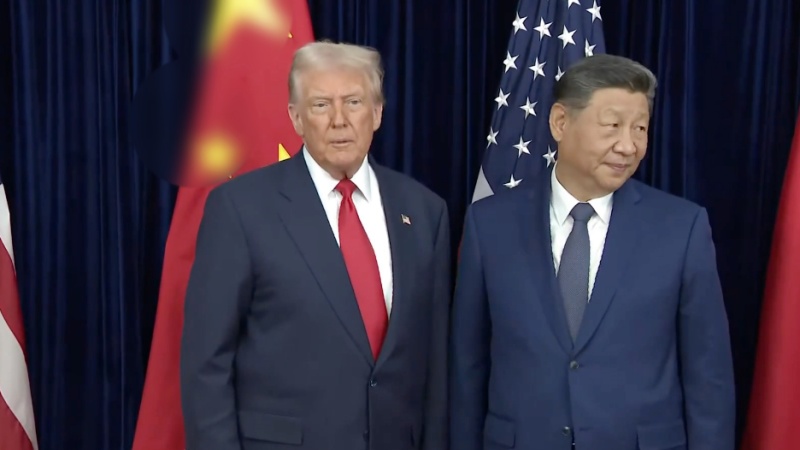
On 30 October 2025, the "Trump-Xi meeting" was held at Gimhae Air Base in Busan, South Korea. US President Donald Trump and Chinese Communist Party leader Xi Jinping shook hands again after six years. Trump appeared relaxed and talkative, while Xi remained almost completely silent. Netizens mocked Xi, saying, "How could he answer without a notebook?!"
According to media videos, Trump and Xi held a brief meeting at Gimhae Air Base around noon that day. This was their first meeting since Trump returned to the White House.
Before the meeting, Trump and Xi posed for photos. Trump was relaxed and talkative, while Xi appeared somewhat reserved, with a somber expression, unnatural movements, and barely daring to speak. After shaking hands, Xi said a polite "It's a pleasure to see you again" to Trump, but avoided direct eye contact, blinking and looking away.
Trump confidently told reporters, "Our meeting will definitely be a success, without a doubt." He also jokingly called Xi a "tough negotiator," adding, "That's not good!" and patted Xi on the back. Xi remained silent and offered no response.
U.S.-based writer Cao Changqing commented on the X platform: "Trump said the talks would definitely succeed, without a doubt. But Xi Jinping barely said a word. In comparison, the 79-year-old Trump seemed much more energetic (Xi Jinping is 72)."
At the meeting, a reporter asked a question about Taiwan in Chinese but Xi Jinping did not answer.
Xi Jinping's performance in this meeting with Trump sparked heated discussions online, with many mocking him: "Xi Jinping can't speak without his little notebook."
"How can he answer without a little notebook! Haha!"
"He was thinking, 'Don't make things difficult for me. I didn't bring my little notebook. I really don't know what to say. Sigh, this is so difficult!'
"Dumb and clumsy... Sigh, so embarrassing."
"Clearly, Xi Jinping is a tough guy at home, but he becomes timid and afraid to be arrogant when he goes out. This is the characteristic of a primary school student."
"I saw them sitting together..." "It's ridiculous, like chickens and rabbits in the same cage. What's the point of arguing between a democratic country and a dictatorship?"
Another netizen commented: "Xi Jinping looks very unhappy. The internal strife is fierce, and now he's being suppressed by Trump. He feels helpless and resentful, but has no choice but to accept reality."
Before the Xi-Trump meeting, the 20th CPC Central Committee's Fourth Plenary Session concluded in Beijing on October 23. At this meeting, nine generals appointed by Xi were expelled from the military and the Party, including He Weidong, Vice Chairman of the Central Military Commission, and Miao Hua, Director of the Political Department of the Central Military Commission. At the same time, Zhang Shengmin, Secretary of the Central Military Commission's Discipline Inspection Commission, was promoted to Vice Chairman of the Central Military Commission. Zhang Shengmin is alleged to be a member of Zhang Youxia's faction.
There is widespread discussion that Xi Jinping's military power has been greatly weakened after the Fourth Plenary Session, and the internal power struggle in Zhongnanhai will intensify.
Support Falun Gong's lawsuit against Cisco
Direct translation
U.S. Lawmakers urge Trump administration to Support Falun Gong's Lawsuit against Cisco
Editor: Liu Mingxiang / Publisher : News Focus Production Team / https://www.ntdtv.com/gb/2025/10/30/a104034215.html / Image : The company logo in front of Cisco's headquarters in San Jose, California. (Justin Sullivan/Getty Images)
The Associated Press reported on 30 October 2025 that two senior Republican members of the US House of Representatives have called on the Supreme Court to allow a lawsuit against tech giant Cisco to proceed. The lawsuit alleges that Cisco's technology was used to assist the Chinese Communist Party in persecuting Falun Gong practitioners.
New Jersey Representative Chris Smith and Michigan Representative John Moolenaar wrote to Chief Litigator for the US Supreme Court, D. John Sauer, on the 29th, urging the Trump administration to support the Falun Gong plaintiffs and push the court to proceed with the trial.
Smith is co-chair of the Congressional-Executive Commission on China (CECC), and Mullerner is chairman of the House Select Committee on China; both have long criticized Beijing's human rights record.
The letter cites an earlier Associated Press investigation that pointed to significant involvement by U.S. technology companies in designing and building the Chinese Communist Party's surveillance system, emphasizing the need to prevent U.S. companies from providing the CCP with technology that aids persecution.
The Supreme Court is currently considering whether to hear Cisco's appeal. Cisco argues that U.S. law should not allow such lawsuits. The court has requested the Attorney General to submit comments on the case, making the Trump administration's position closely watched; these comments are expected to be submitted by the end of this year or early next year.
The two lawmakers wrote in the letter: "The accusation that an American technology company tailors tools to aid the CCP in its persecution of religious minorities is extremely serious, and we believe the plaintiff should have the opportunity to prove its claims."
A Cisco spokesperson responded that the company is "always committed to respecting human rights" and warned that if the Ninth Circuit Court of Appeals' ruling remains in effect, it will "open the floodgates for U.S. companies to face lawsuits for legally exporting standard products."
This case has been ongoing for over a decade. Documents released in 2008 revealed that Cisco viewed the Chinese Communist Party's "Golden Shield Project" as a business opportunity. An Associated Press-reviewed Cisco presentation showed that the company's products could identify over 90% of Falun Gong-related information on the internet. Other documents indicated that Cisco also assisted in establishing a nationwide database for tracking Falun Gong practitioners.
In 2011, Falun Gong practitioners sued Cisco, accusing the company of knowingly providing support for its technology, which they claimed would be used to persecute believers.
The core issue of the case is whether U.S. companies can be held liable for aiding and abetting persecution under the Alien Torts Act (ATS) or the Torture Victims Protection Act (TVPA). Cisco argued it should not be held liable but an appeals court rejected its claim in 2023, allowing the case to proceed. Cisco is now asking the Supreme Court to overturn that ruling.
The report points out that this case not only involves human rights but is also closely related to the U.S.-China technology confrontation. Technology exports have once again become one of the most sensitive focal points in U.S.-China relations.
The PLA Air Force Commander has been arrested
Direct translation
Has the PLA Air Force Commander also fallen? Zhao Lanjian reveals further turmoil within the CCP's top leadership; reports suggest the Air Force Commander is under investigation.
Editor : Zhongkang / Source : Newtalk / https://www.aboluowang.com/2025/1030/2298355.html / Image : Reports indicate that Ma Xiaotian, commander of the Chinese Air Force, has been arrested. (Image: Retrieved from X / @VickyLi32351196)
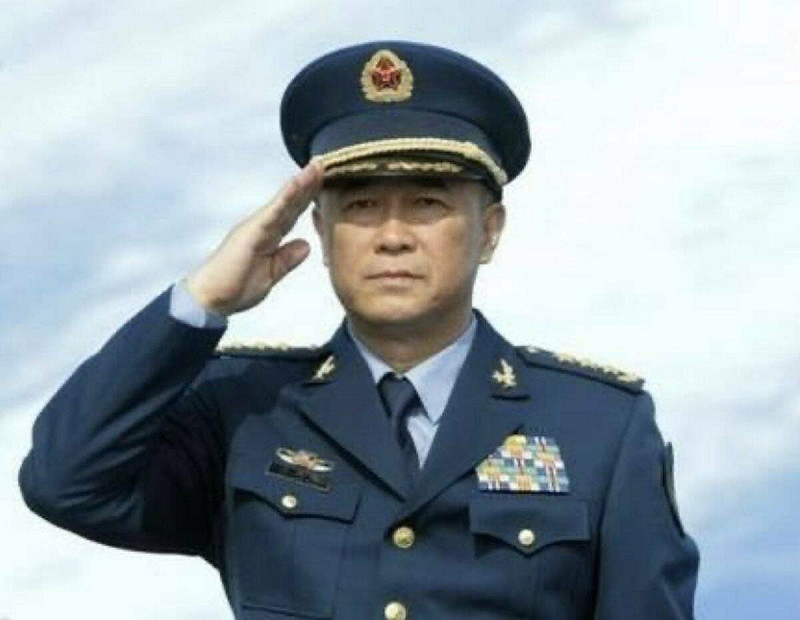
Independent journalist Zhao Lanjian recently published a statement on X, stating that Ma Xiaotian, commander of the Chinese Air Force, has been "arrested," emphasizing that this is the twelfth time since 2023 that he has prematurely exposed purges of high-ranking Chinese military and political officials. Zhao Lanjian claims that high-ranking officials, including Yang Hui, Miao Hua, Qin Shutong, He Hongjun, Lin Xiangyang, and Wang Houbin, who have been repeatedly confirmed to have fallen from grace by official sources, have all appeared in his investigative reports.
Zhao Lanjian stated that in an environment of information censorship and rampant fake news, he insists on "using truth as the bottom line and evidence as the language," and claims that he is not a spokesperson for any media outlet or capital institution, but an independent journalist. He pointed out that this revelation of Ma Xiaotian once again demonstrates the power of independent investigation.
In recent years, personnel changes within the Chinese military have been frequent. External observers point out that since 2023, a number of high-ranking military and political officials have been investigated, involving units such as the Rocket Force, Strategic Support Force, and equipment systems, indicating that the anti-corruption campaign has extended to the core military sector. Regarding the news concerning Ma Xiaotian, Zhao Lanjian stated that it has been confirmed by Xinhua News Agency.
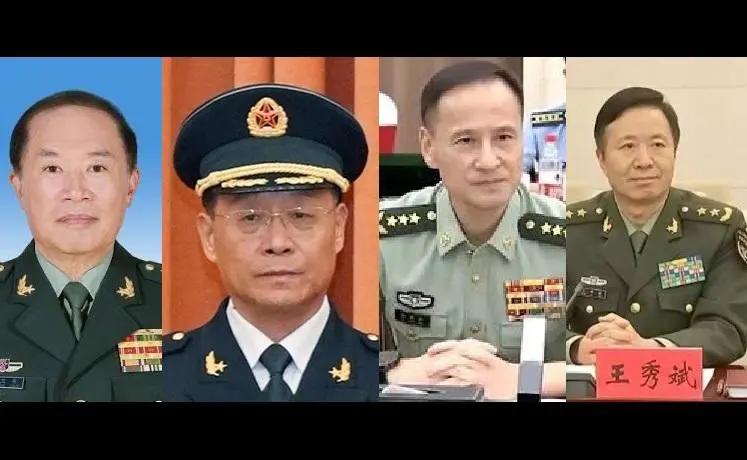
Image : The CCP recently announced the expulsion from the Party and military of nine generals, including He Weidong (first from left), Wang Houbin (second from left), Lin Xiangyang (second from right), and Wang Xiubin (first from right). Observers believe that a fierce political struggle for military power may be unfolding within Zhongnanhai. (Image: Screenshot from @cskun1989 X account/Newtalk composite)
Zhao Lanjian emphasized that his information comes from "long-term tracking and multi-party verification," and pointed out that he has "accurately predicted the core upheavals in the CCP's military and political system for two consecutive years" in the global media environment, believing this reflects the accuracy of his investigations and his news acumen.
As of now, the relevant accusations are still awaiting official response. All sectors are watching closely; if the news is true, the Ma Xiaotian case could become another major event in the CCP military's purge.
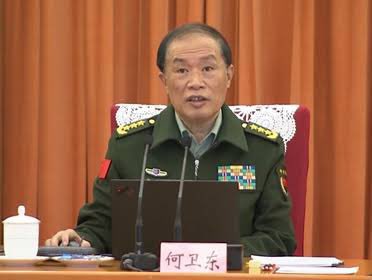
He Weidong, Vice Chairman of the Central Military Commission of China, was reportedly taken away after the closing ceremony of the National People's Congress on 11 March. On 17 October, he was announced to have committed serious violations of discipline and law, suspected of job-related crimes involving exceptionally large sums of money, extremely serious nature, and extremely negative impact, and was expelled from the Party and the military. Nine high-ranking generals were involved in the same case. (Image: Screenshot from "x"@SonodaHiroki)
Editor: zhongkang Source: Newtalk Please indicate the author and source when reprinting and keep the content intact.
Article URL: https://www.aboluowang.com/2025/1030/2298355.html
The implications of Israel's expulsion of Chinese migrant workers
Direct translation
[Free Speech] The multiple implications of Israel's expulsion of Chinese migrant workers
◎ Yang Congrong ./ https://talk.ltn.com.tw/article/breakingnews/5218357
Image : As tensions escalate between Israel and Iran, the Israeli government has reassessed the security risks of its foreign worker policy, designating China as a high-risk country and expelling Chinese migrant workers. (Reuters file photo)
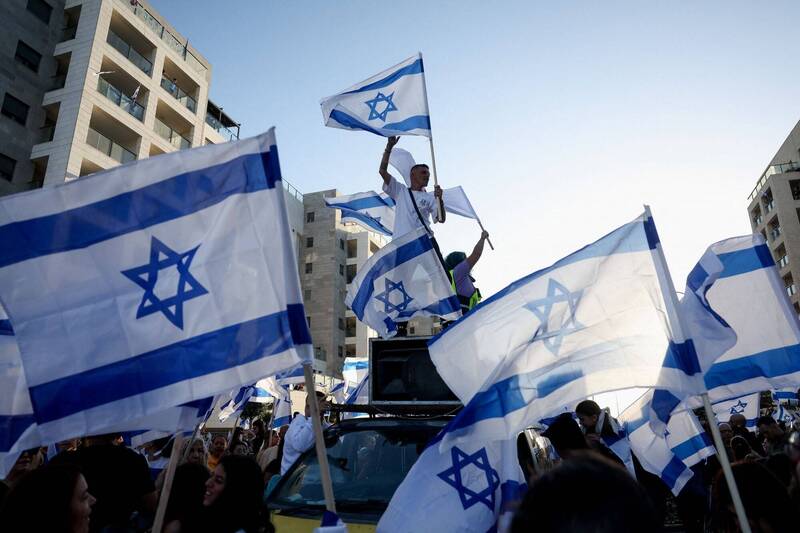
Based on security considerations and a court injunction, the Israeli government designated China as a high-risk country and expelled Chinese migrant workers. This seemingly simple adjustment to labor policy actually involves complex diplomatic relations, regional power balances, and the politicization of labor mobility in the era of globalization. This event not only affects Sino-Israeli bilateral relations but also reflects profound changes in the geopolitical landscape of the Middle East, warranting in-depth discussion.
Israel's construction industry has long relied on Chinese workers, who fill local labor shortages and support infrastructure development. However, with escalating tensions between Israel and Iran, coupled with increased uncertainty surrounding regional conflicts, the Israeli government has begun to reassess the security risks of its foreign worker policy. Designating China as a high-risk country was not a sudden decision, but rather a preventative response to China's expanding influence in the Middle East within the framework of the US-Israel alliance. Israel has turned to other countries, such as India, for labor sources, attempting to maintain its construction industry while mitigating potential security threats.
The impact of this policy extends beyond the labor market. China is one of Israel's major trading partners, with bilateral trade exceeding $20 billion, covering multiple sectors including technology, infrastructure, and agriculture. Expelling Chinese migrant workers could trigger diplomatic protests from Beijing, and even lead to reduced investment or strained trade relations. This economic cost was not unconsidered by the Israeli government, but it chose the former over the latter. This also reflects the reality that, in the current international situation, national security issues often take precedence over economic interests.
However, the significance of this incident goes far beyond the friction in Sino-Israeli relations. This policy is actually an extension of global anti-China sentiment in the Middle East and is profoundly influenced by the US-Israel strategic alliance. In recent years, the United States has been continuously containing China's influence in the Indo-Pacific and the Middle East. As the US's most important ally in the Middle East, Israel naturally considers Washington's strategic interests in its policy choices. The expulsion of Chinese migrant workers can, to some extent, be seen as a symbolic move by Israel to choose sides in the US-China competition.
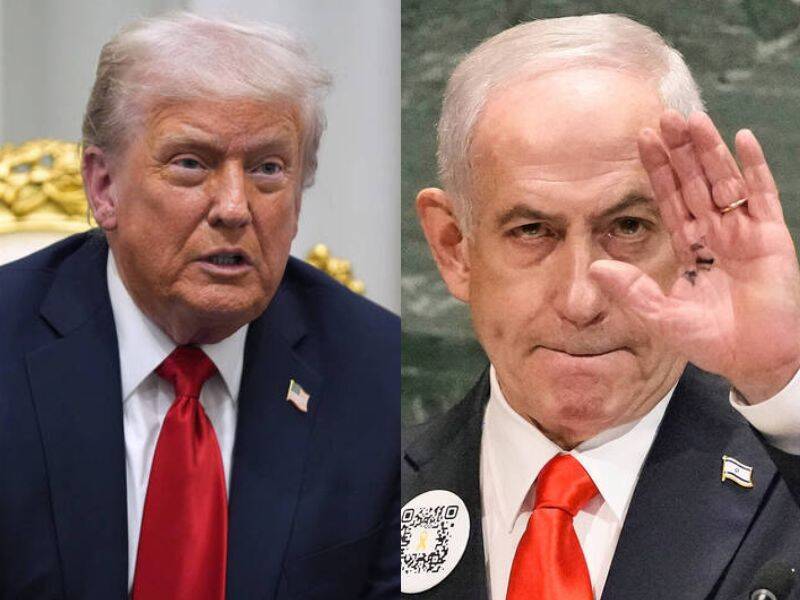
Image : Associated Press file photo
More noteworthy is the potential for unintended chain reactions from this decision. China has initiated its citizen evacuation process and issued warnings; this is not merely a routine action to protect its citizens, but could become a turning point in Beijing's Middle East policy. If Sino-Israeli relations continue to deteriorate, China may reduce its economic investment in Israel and instead strengthen cooperation with countries like Iran. This would further consolidate Iran's influence in the Middle East and alter the regional power balance. China, which had previously maintained a delicate balance between Israel and Arab countries, may be forced to more explicitly lean towards one side, which will have a profound impact on the entire Middle East situation.
From Taiwan's perspective, this incident offers several lessons:
First, the politicization of labor policy has become a global trend. When national security considerations conflict with economic interests, more and more countries choose the former. As an economy heavily reliant on foreign workers, Taiwan should also consider how to strike a balance between opening its labor market and maintaining security.
Second, this incident highlights the pressure on small and medium-sized countries to choose sides in great power competition. Although Israel is a regional power, it still needs to make difficult strategic choices within the framework of US-China competition. Taiwan faces a similar situation; how to protect its own interests while avoiding becoming a victim of great power rivalry is a long-term challenge.
In an era of receding globalization and a return to geopolitics, labour mobility is no longer just an economic issue, but has become part of national security and diplomatic maneuvering. Israel's decision may only be the beginning; in the future, we may see more countries adjusting their migrant worker policies based on political considerations. This trend is both a challenge and a warning for economies reliant on global labor mobility. Finding a balance between openness and security, between the economy and politics, will be a challenge that all countries must face.
For countries like Taiwan, situated on the front lines of geopolitics, Israel's experience offers even more direct reference value. Caught in the crossfire of great power competition, every policy choice can trigger complex chain reactions. Careful assessment and forward-looking thinking are more crucial than ever before.
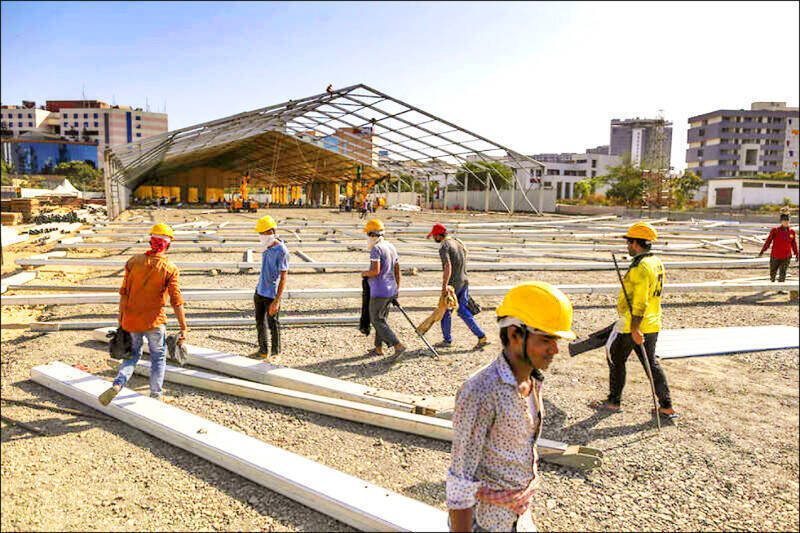
Image : Labour mobility is no longer just an economic issue, but part of national security and diplomatic maneuvering. (Bloomberg file photo)
(The author is the Chairman of the Central Taiwan Professors Association and teaches at National Taiwan Normal University.)
Wednesday, October 29, 2025
620,000 people knock on the doors of CCP, Yu wants to live, Yu's father is still alive
Direct translation
620,000 people "knock on the Zhongnanhai"!
—Yu Menglong sings "The Moon is Hazy, the Birds are Hazy"—"I Don't Want to Die!" Handsome photos of Yu's father revealed
Reporter : Wang Duoruo / Editor : Fang Xun / https://www.aboluowang.com/2025/1029/2297786.html

Chinese actor and singer Yu Menglong (Alan Yu) died after falling from a building in Beijing on 11 September 2025, at the age of 37. The official explanation is "accidental fall after drinking," ruling out a criminal case; however, the bizarre cause of death and the censorship and restriction of the news across the mainland internet have sparked an international phenomenon of "seeking justice for Yu Menglong" in the free online world. As of today, the global petition has surpassed 600,000 signatures, and tens of thousands of memorial videos have appeared on YouTube, Twitter, and Instagram. Fans have spontaneously edited clips of his life, reconstructed timelines, and even offered rewards to find the "mastermind behind it all." A precious black-and-white photo of Yu Menglong as an infant being embraced by his father has recently gone viral on Weibo, Douban, and YouTube. In the photo, a young Yu's father, wearing a fitted brown sweater, is thin and handsome with clear features, holding the infant Yu Menglong. The father and son's facial features are so similar, it's as if they were "cut from the same mold," prompting netizens to exclaim, "Complex features superimposed! The genes are too strong!"

Aboluowang commentator Wang Duren stated that the rumour that "Yu Menglong lost his father at the age of 5" seems untrue. Articles on Tencent News and NetEase state that Yu Menglong's parents are alive; his father is a fitness enthusiast, and his mother is a music teacher; the family is harmonious. Yu Menglong revealed on a mainland variety show that he is an only child, without siblings. His status as an only child exacerbates the tragedy, highlighting the deep bond between him and his mother. In the variety show "I Like You Too" (2019), Yu Menglong repeatedly mentioned his parents' "banter-style affection," and how his father started working out and became a coach after his mother remarked, "You were quite handsome when you were young."
"The Moon is Hazy, the Birds are Hazy" becomes a "last echo," as Yu Menglong once sang the theme song of the 1978 Qiong Yao film of the same name on a variety show. He once publicly revealed:
"My name comes from my mother's favorite Brigitte Lin film, 'The Moon is Hazy, the Birds are Hazy,' because she found the word 'hazy' romantic and poetic."
This clear and ethereal singing clip (YouTube - Mia Music channel) was unearthed after his death and garnered over ten million views. The lyrics are simple yet profound:
The moon is hazy, the birds are hazy, fireflies illuminate the night sky
The lamp is hazy, the person is hazy, but I wish we could dream together.
A Chinese teacher analyzed: "Using the fewest words, it expresses the deepest longing, like a flickering night lamp illuminating the softness of the heart."
Fans were moved to tears, and the comment section was flooded:
"Dad didn't see him grow up, Mom didn't see him grow old."
"Menglong, you're no longer in pain, may you rest in peace, may Buddha guide you to the Pure Land."
"His eyes were so gentle when he sang, he never wanted to die!"
"I hope that after revenge, I won't be born in China in my next life."
The international petition has three demands:
Release the complete autopsy report (including toxicology and DNA)
Access to all surveillance and communication records
Establish an independent investigation committee, including forensic experts from Hong Kong, Taiwan, and overseas.
Conclusion: Yu Menglong's death, initially an "accidental fall," has evolved into the largest individual grievance movement in the internet age.
A song, "The Moon is Hazy, the Birds are Hazy," poignantly encapsulates the most tender moment of his 37 years of life;
A father-son photo shattered the hearts of millions of mothers;
600,000 signatures question the silence of a system. Aboluowang will continue to pursue the truth.
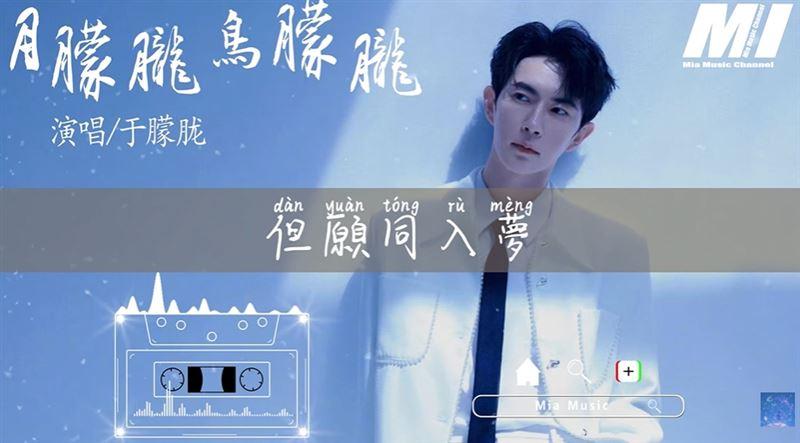
[Yu Menglong Sings] The Moon is Hazy, the Birds are Hazy - Yu Menglong [yue meng long niao meng long - yu meng long] (Video from YouTube - Mia Music Channel, please forgive us if it is removed)
Tuesday, October 28, 2025
Yi Yang Qianxi's "super spooky" concert elements, he is suspected of "borrowing the altar"
Direct translations
Was Yu Menglong calling out Yi Yang Qianxi's "super spooky" concert elements? Suspected of "borrowing the altar"
Editor : Zhao Li / Source: Newtalk / https://www.aboluowang.com/2025/1029/2297792.html / Image : Web Screenshot
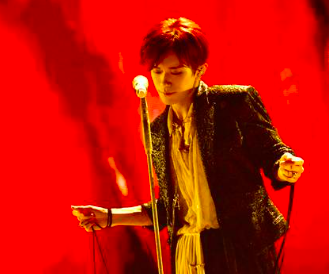
The death of Chinese actor Yu Menglong, who fell to his death last month, is shrouded in mystery. Many clues point to a brutal "sacrifice" ritual to prolong the lives of top CCP officials. A YouTuber even claimed to have spoken with Yu Menglong's spirit. When asked what would happen next, Yu Menglong uttered the words "Yi Yang," sparking speculation that Yi Yang Qianxi might be the next victim. His China tour in August and September has also been resurfaced, featuring eerie large eyes, red elements, clay figurines, ritual dances, and even requiring fans to bring mud, prompting speculation that he was using the concerts for rituals and luck.
Recently, the YouTuber "204 Files" claimed to have spoken with Yu Menglong's spirit using the Electronic Voice Phenomenon (EVP). Yu Menglong admitted that his death was indeed linked to the sacrifice, and when asked what would happen next, he uttered the words "Yi Yang," shocking others. Furthermore, British psychic Ty William's livestream channeling suggested that artists with four characters in their names should pay special attention to their safety, fueling speculation that Yi Yang Qianxi could be the next victim.
After the incident broke, footage from Yi Yang Qianxi's "𬒈峃" concert tour, which ran across China from 2 August to 5 September 2025, was also dug up. The video featured numerous eerie elements, including eerie large eyes, red accents, clay figurines, ritual dances, and landscape designs. Fans were even asked to bring soil from their hometowns to the concert, with the specific request that potted soil not be used. Some netizens pointed out that soil is one of the best media for conveying personal messages, leading to speculation that the concert was a public ritual to solicit fans' luck.
Although Yi Yang Qianxi later denied the allegations on his studio Weibo and threatened to sue, the controversy has not subsided. Some netizens pointed out that this is not the first time Yi Yang Qianxi has featured eerie scenery at a concert. A few years ago, he deliberately placed mirrors facing the audience, which was out of character for typical concert stage design and was also accused of using mirrors to borrow luck.
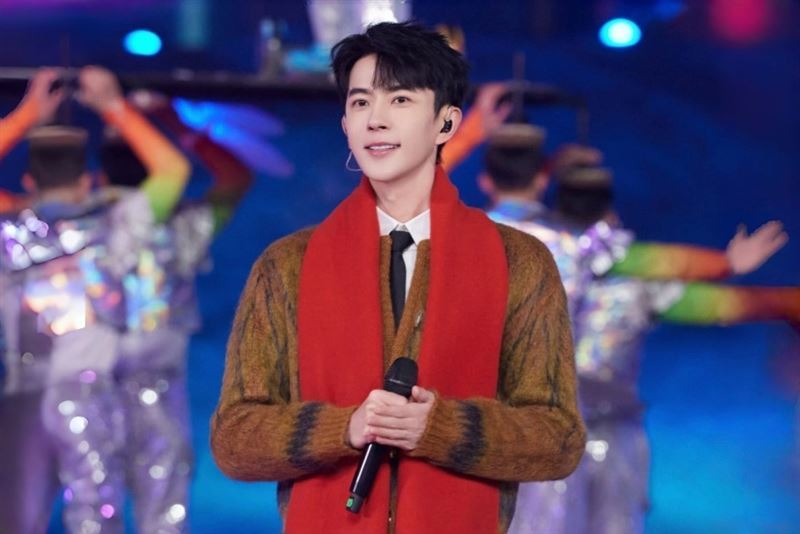
In fact, these rumours are not groundless. Many netizens on social media have pointed out that Yi Yang Qianxi, a member of TFboys, initially had the least popularity, yet he inexplicably possessed abundant resources, winning numerous endorsements and awards throughout his career. This suggests there must be something more complex. Furthermore, because Yi Yang Qianxi, like Yu Menglong, was previously linked to companies involved in arms trafficking, he has been suspected of being manipulated, using ritual sacrifices to gain power and fame. This, coupled with Yu Menglong's recent allegation that he is the next victim, has sparked considerable discussion.
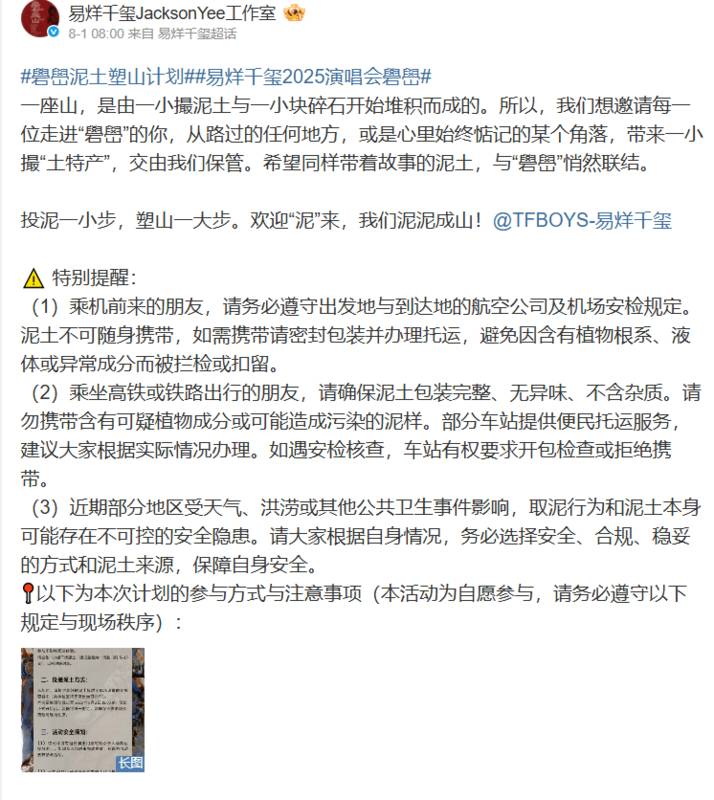
Yi Yang Qianxi's "𬒈峃" concert tour this year invited fans to bring soil from their hometowns, specifically requesting that potting soil not be used. Photo: Reproduced from Yi Yang Qianxi's Weibo
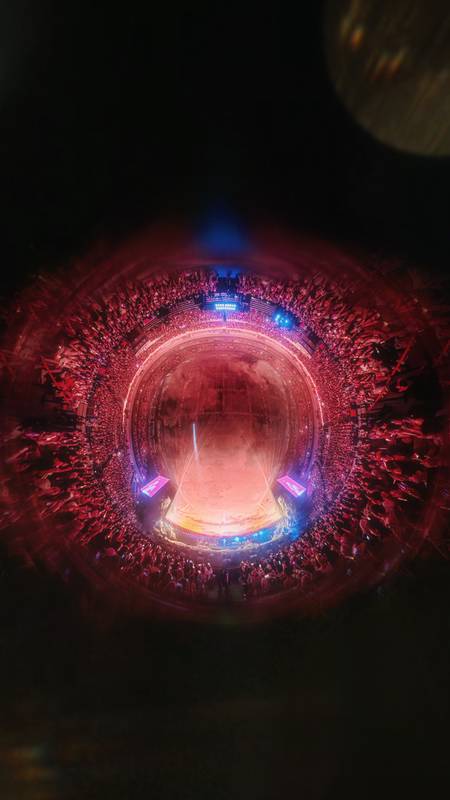
Yi Yang Qianxi's "𬒈峃" concert tour this year featured numerous red elements. Photo: Reproduced from Yi Yang Qianxi's Weibo
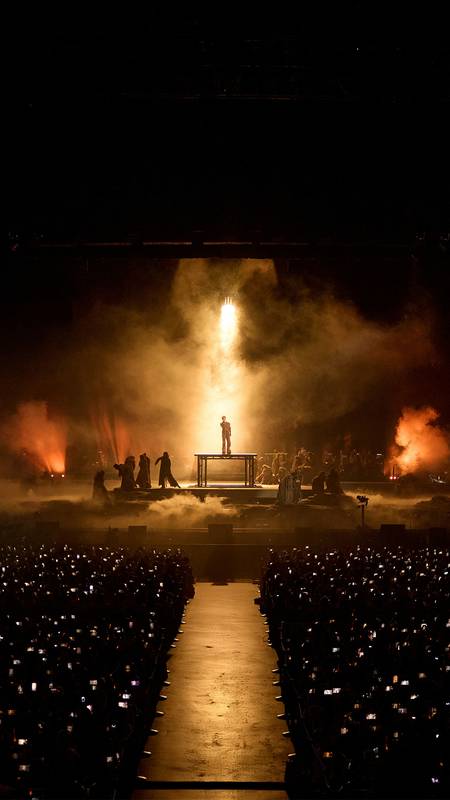
A strange dance performance was also featured on the stage of Yi Yang Qianxi's "𬒈峃" concert this year. Image: Reproduced from Yi Yang Qianxi's Weibo
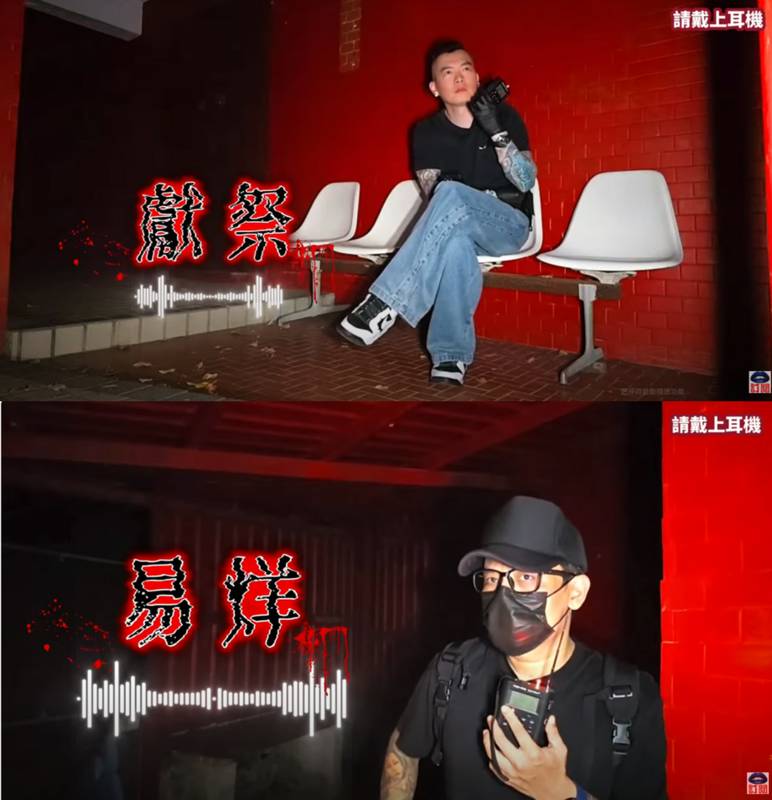
A YouTuber claimed to have spoken with Yu Menglong's spirit. When asked what would happen next, Yu Menglong uttered the name "Yi Yang," sparking speculation that Yi Yang Qianxi might be the next victim. Image: Reproduced from the YouTube channel "204 Files"
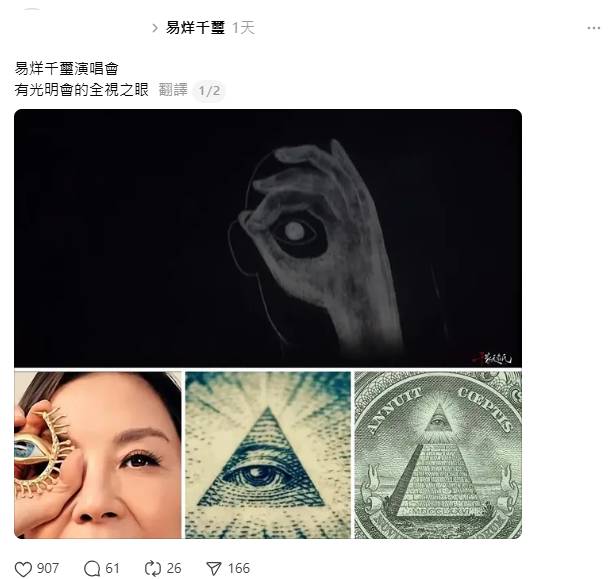
Yi Yang Qianxi's concerts this year featured eerie large eyes, red elements, clay figurines, ritual dances, and even required fans to bring clay, sparking speculation that he was using the concerts for rituals and luck. Image: Reproduced from a thread
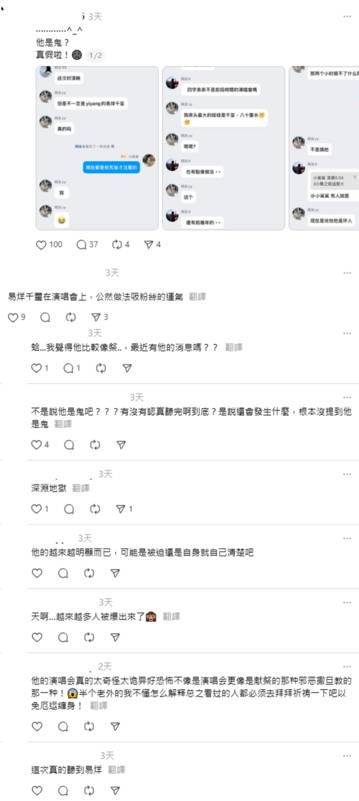
Yi Yang Qianxi has been accused of using rituals to gain fame, and with Yu Menglong's recent name-calling him the next victim, this has sparked considerable discussion. Image: Reproduced from a thread
Yi Yangqianxi transformed into Emperor Kangxi on Retrocession Day, shouting: "The unification of Taiwan is unstoppable!" Taiwanese fans are heartbroken: "I can't stand it anymore!"
Editor : Zhao Li / Source : Formosa TV News Network / https://www.aboluowang.com/2025/1027/2296751.html
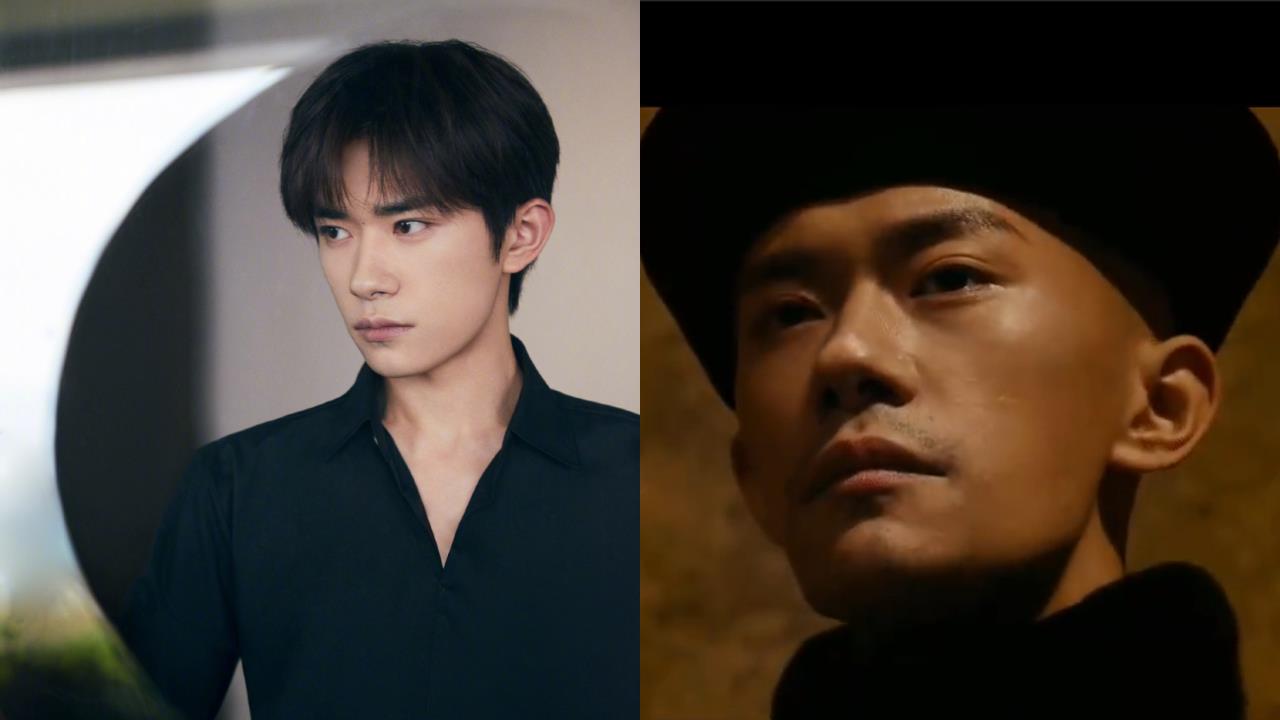
Image : Yi Yang Qianxi posted on Retrocession Day that "the unification of Taiwan is unstoppable." (Photo/Reproduced from "TFBOYS-Yi Yang Qianxi" Weibo)
The CCP has been using unification tactics against Taiwan for years. For example, on Taiwan’s Retrocession Day yesterday (25 October), China not only followed suit and announced the establishment of the “Taiwan Recovery Day”, but also held commemorative activities and invited Taiwanese people to participate, just to create the illusion that “Taiwan is part of China”, with ulterior motives. However, there was a new episode yesterday.
The Chinese war film “The Battle of Penghu”, which used “Reunification of Taiwan” as a publicity highlight last year, also chose to release a trailer on Recovery Day. The popular Chinese idol Yi Yang Qianxi, who plays Emperor Kangxi, actually posted frequently for publicity, shouting “Reunification of Taiwan is unstoppable” and “There is only one China”, which disappointed many Taiwanese fans and even announced that they would stop following the film. “I really can’t stand this wave.”
Reportedly, President Lai Ching-te's inaugural address on 20 May 2024 firmly emphasized the "mutual non-subordination" stance across the Taiwan Strait, sparking a new wave of verbal and military intimidation from China. The unofficial film "The Battle of Penghu," which had been in development for three years but remained unfinished, also seized the opportunity to "patriotically" announce the start of filming. A poster emblazoned with the words "Unify Taiwan" was released, along with the slogan "In the 22nd year of Emperor Kangxi's reign, Shi Lang led the Fujian Navy to unify Taiwan," seemingly aiming to curry favor with the authorities and attract a wave of patriotic fans. After over a year of filming, the production team chose yesterday's National Day to release 12 clips, announcing the first cast and teasing, "See you in 2026!"
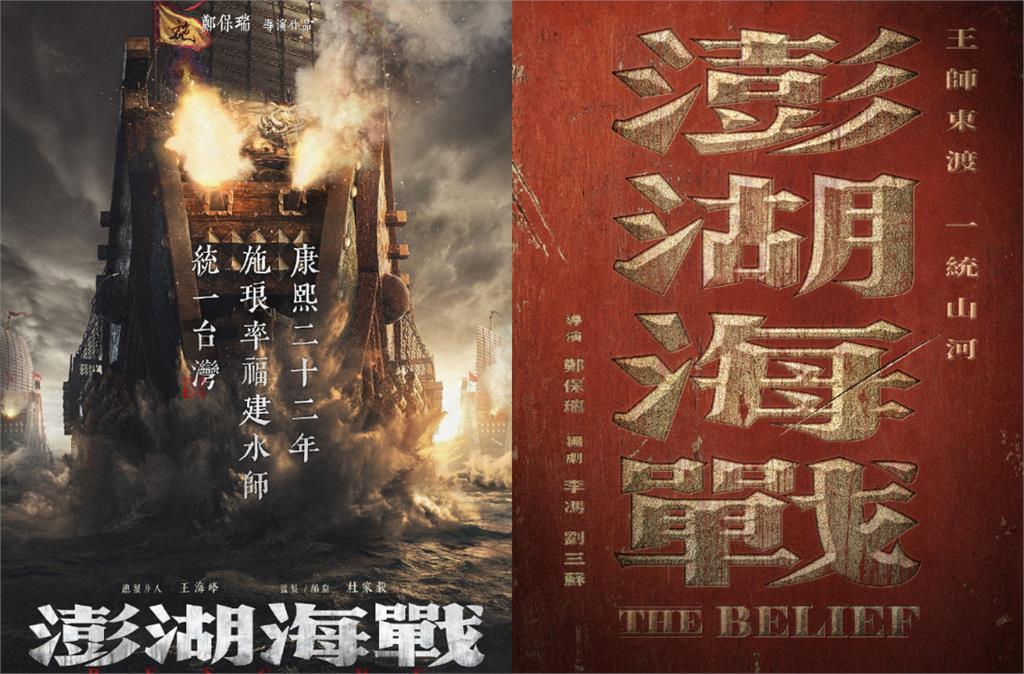
Image : Yi Yang Qianxi plays Emperor Kangxi in the film, uttering lines such as "I command you to lead the fleet to advance to Penghu and conquer Taiwan." (Photo/Reproduced from the Weibo account of the film "The Battle of Penghu")
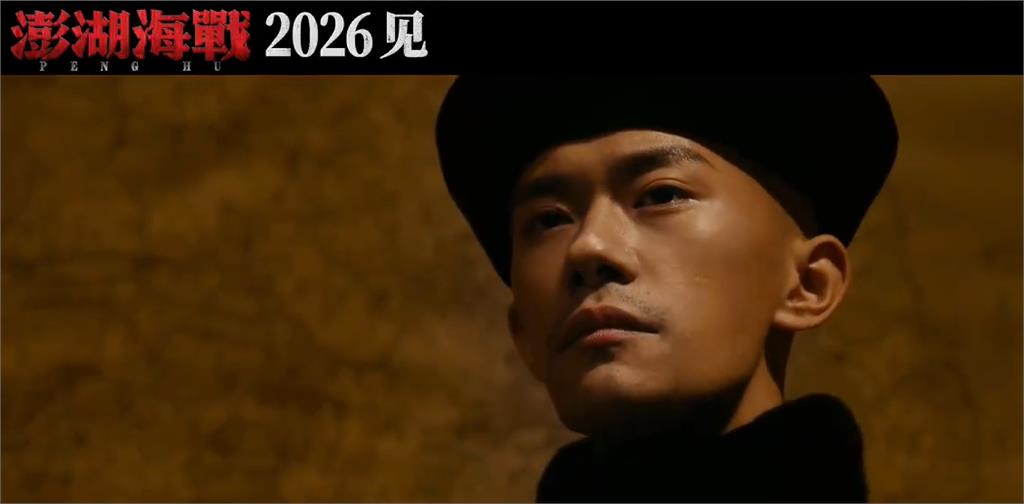
Image : Yi Yang Qianxi plays Emperor Kangxi in the film, uttering lines such as "I order you to lead the fleet, advance to Penghu, and conquer Taiwan." (Photo/Reproduced from the Weibo account of the film "The Battle of Penghu")
Yi Yang Qianxi is a "special starring" in the film, playing the historical Emperor Kangxi, and uttering lines such as "I order you to lead the fleet, advance to Penghu, and conquer Taiwan." To promote the film, his official Weibo account also reposted a clip, with the following messages: "Taiwan and the motherland are always connected by blood; there is only one China," "A unified Taiwan is unstoppable," and "The Penghu of the Battle of Penghu is China's Penghu." This move broke the hearts of many Taiwanese fans. "I can't do this movie, Qianxi. Before I was a fan, I was Taiwanese... Oh my god, I'm really upset, I'm going crazy." "Overseas fans, don't want it, right? A movie has become political. Sorry, brother, I won't watch this one." "No need to explain, I'll turn against anyone who messes with my life (my country), even if it's my idol." "I can only miss this. Please don't take this kind of thing again, okay?" "I want to cry." Others lamented, "These are all issued by agents or companies. Not posting them is unpatriotic and a betrayal."
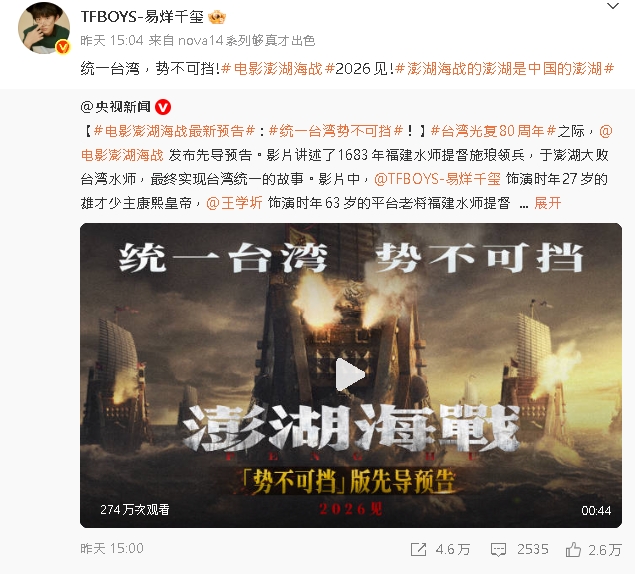
Image : Yi Yang Qianxi cooperated with the crew's promotion and reposted the unanimous message, breaking the hearts of Taiwanese fans. (Photo/Reproduced from "TFBOYS-Yi Yang Qianxi" Weibo)
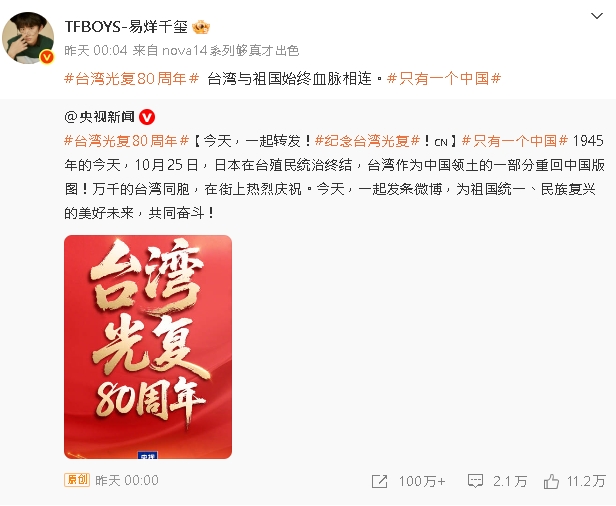
Image : Yi Yang Qianxi cooperated with the crew's promotion Rumors of unification were circulating, and the film reposted pro-unification rhetoric, heartbreaking Taiwanese fans. (Photo/Reproduced from TFBOYS-Yi Yang Qianxi's Weibo)
The film is reportedly set in 1683, during the internal divisions of the Zheng family clique in Taiwan. To prevent Zheng Chenggong's descendants from pursuing independence, Emperor Kangxi, after repeated attempts at peace talks failed, ordered Admiral Shi Lang to lead an attack on Taiwan. By sacrificing a small detachment to lure the Zheng family's navy into a trap, the Emperor then launched a surprise attack on the southern mouth of Penghu, annihilating the main force of the Zheng army and ultimately achieving the "unification of Taiwan." The director is Hong Kong director Soi Cheang, who achieved box office success with "The Siege of Kowloon Walled City." He previously directed hit films like "SPL II" and "Journey to the West: The Women Kingdom," winning numerous awards. This time, he appears to be aiming to fulfill the dream of unification through film.
Full-scale boycott Tianyu Digital Technology and the conspiracy theories behind Yu Menglong's death
Direct translations
Shocking news: Yu Menglong's company executives have all fled! Online rumours claim the company secretly changed its name, prompting outrage: A full boycott
Editor : Zhao Li / Source: Sanli News Network / https://www.aboluowang.com/2025/1029/2297781.html / Image : Yu Menglong made his official debut in 2013 after placing tenth in the national competition "Super Boy." (Photo/Reproduced from Yu Menglong's Weibo)
Chinese actor Yu Menglong fell to his death on 11 September 2025. Due to numerous suspicious circumstances surrounding the case and the increasing revelations of shady dealings, suspicions are growing that his death was not entirely simple. Rumors are circulating online that his agency, Tianyu Media, issued a death notice as early as 11 September 2021, and even featured a black-and-white photo of Yu Menglong in 2020, prompting netizens to criticize Tianyu Media, asking, "What kind of crappy company is this?" Rumours are also circulating that Tianyu Media has changed its name to Tianyu Digital Technology, reigniting debate.
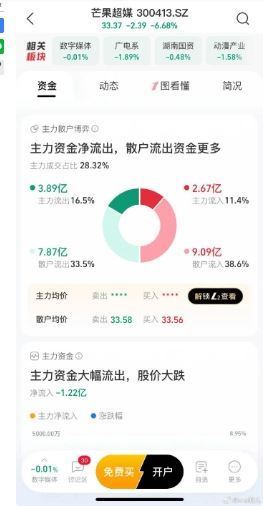
Image : Mango Super Media's stock price plummeted. (Photo/Reproduced from Weibo)
Yu Menglong joined Tianyu Media in 2013, and rumours suggest he was suspended for three years for refusing to accept unspoken rules. As the Yu Menglong fall case continues to unfold, netizens have also uncovered reports of disappearances and unnatural deaths at the company over the past two decades, including Tan Beixi's death in a 2006 car accident, Shang Yubo's fall in 2011, Bian Ce's fall in 2015, Benxi's fall in 2016, Qiao Renliang's suicide in 2016, Ren Jiao's naked fall in 2017, and Cai Zhong's suicide in 2020. This has sparked speculation. Later, it was reported that after the Yu Menglong case broke, the stock prices of Tianyu Media and its parent company, Mango Super Media, plummeted, and executives fled. The company was even revealed to have released a death notice four years ago, even using a black-and-white photo of him. This has sparked widespread criticism online. Now, reports have surfaced that the company has quietly changed its name, prompting calls for a full-scale boycott.
As of 27 October 2025, over 600,000 netizens have signed the "Justice for Yu Menglong" petition, calling on relevant authorities to conduct a comprehensive, independent, and transparent investigation. However, Chinese police still maintain their September conclusion that the man died from an accidental fall from a building while intoxicated, ruling out criminal activity. They also arrested three netizens who posted claims that Yu Menglong had been "set up for assault," "hanged from a high-rise building, disemboweled," and "Yu Menglong's mother was under arrest," accusing them of fabricating and spreading rumours.
Did Yu Menglong's death foretell the events of his death? "Blood Moon" and "Private Diary" coincide with the time of his fall, and the "sacrifice heresy" stirs up controversy
Editor: Zhao Li Source: Newtalk / https://www.aboluowang.com/2025/1029/2297788.html / Image : Yu Menglong experienced rural activities such as collecting bamboo divination blocks and white bamboo shoots and weaving on the show. Photo: Reproduced from Tencent's Yuexi Net
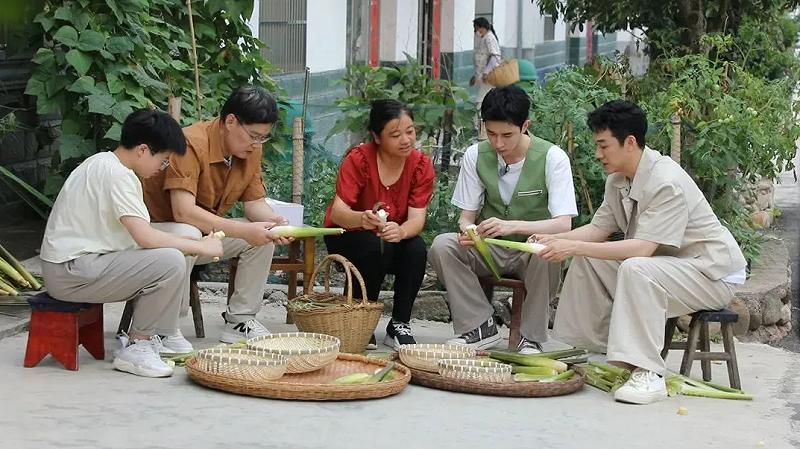
Recently, more speculation and conspiracy theories have surfaced on X regarding the case of Chinese artist Yu Menglong's fall from a building. The X account, "Truth Media," posted footage of Yu Menglong filming the program "Home Between Mountains and Rivers" in rural Yuexi County, Anhui Province, in July of this year. The account claims Yu Menglong was quite thin at the time and appears to enjoy life in the countryside. The account suggests, "Perhaps the simple labor of living in the secluded countryside brings him inner peace," seemingly implying that Yu Menglong has been suffering for a long time.
Meanwhile, the account "X" ("News Investigation") quoted netizens claiming that Mai Tian, the director of Yu Menglong's last television series, "A Umbrella in the Mist," posted a short article titled "Blood Moon" on WeChat Moments on 8 September 2025. Because that day coincided with a total lunar eclipse, a "blood moon" phenomenon, he posted a short article titled "Blood Moon."
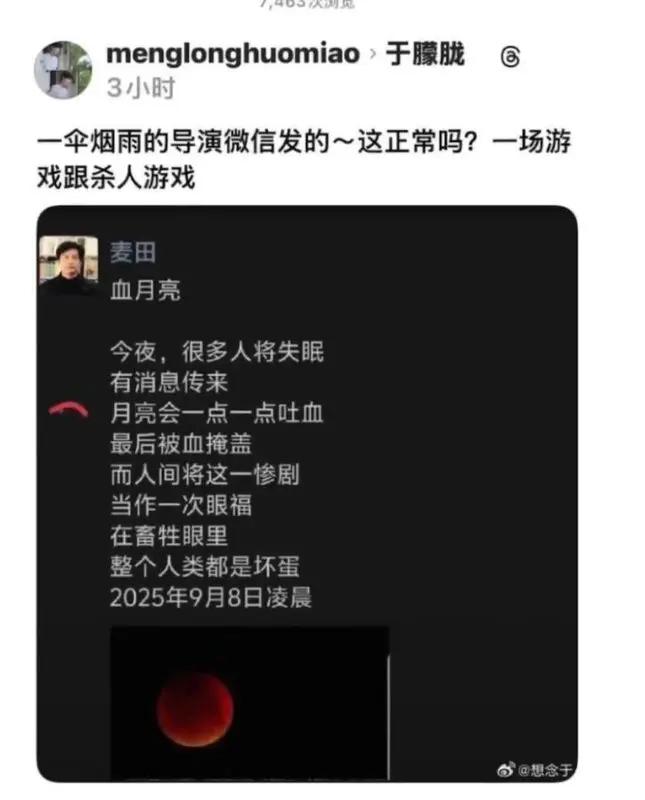
Image : The post circulating on WeChat Moments by Mai Tian, the director of "A Umbrella in the Mist," was interpreted by netizens as a suggestive reference. Image: Reproduced from X's "News Investigation" account.
The netizen believed the post contained a hidden message, calling it "a game and a murder game." "News Investigation" even claimed it foreshadowed Yu Menglong's death. The account further speculated that a blood moon is the perfect time for "sacrifice," and that the post therefore confirmed the "sacrifice theory" in the Yu Menglong case, which states that Yu Menglong was subjected to some kind of ritual sacrifice intended to prolong the emperor's life.
In another post, the account shared the private diary of Wang Yucen, a so-called "Tianyu executive." Tianyu Media is Yu Menglong's agency. The entry includes lines like "On the night of September 8th, Yu Bei was imprisoned," and "In the early morning of September 9th, I looked back at you again. This is your doom."
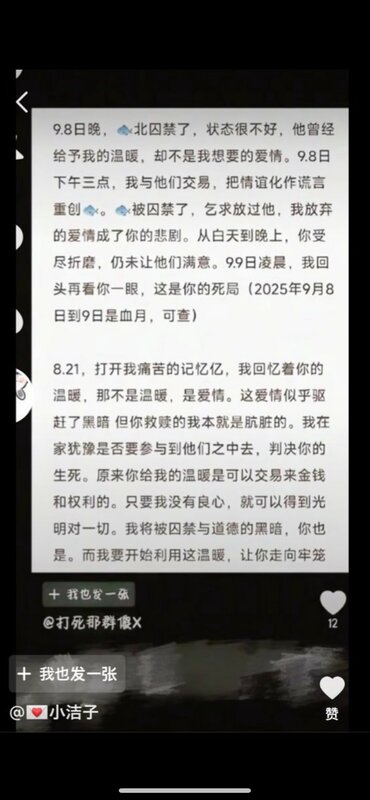
Image : It is said to be the private diary of Tianyu executive Wang Yucen. Photo: Reproduced from X's "News Investigation"
Online speculation suggests that Wang Yucen had long admired Yu Menglong, even when he was suppressed and blacklisted. When Yu Menglong was in deep crisis, Wang Yucen was forced to make a deal with the perpetrator, unable to prevent the tragedy and even contributing to Yu Menglong's death. While this theory is shocking, the screenshot contains almost no information identifying its source, and the online claim of a "hacker intrusion" has been questioned by some netizens.
The YouTube channel "Financial Cold Eyes" released a video featuring an interview with He Jiong, a well-known Chinese artist from Hunan Satellite TV. He stated that Tianyu Media cast a wide net, recruiting a large number of children to sign unfair contracts, then selecting only a small number for training. The rest were then forced to leave through various means and then "harvested" by collecting hefty liquidated damages.

Image : The Yu Menglong fall case is fraught with doubts, leading to numerous creative hypotheses. Image: Reproduced from Meitu Wallpaper Interest Community
The inside story of money laundering by CCP elites in the entertainment industry is exposed
Direct translation
Yu Menglong is targeted, and the inside story of money laundering by CCP elites in the entertainment industry is exposed
Reporter : Li Siya / Editor : Lin Qing / https://www.ntdtv.com/gb/2025/10/27/a104033338.html / Image : File photo of Chinese actor Yu Menglong. (VCG/VCG via Getty Images)
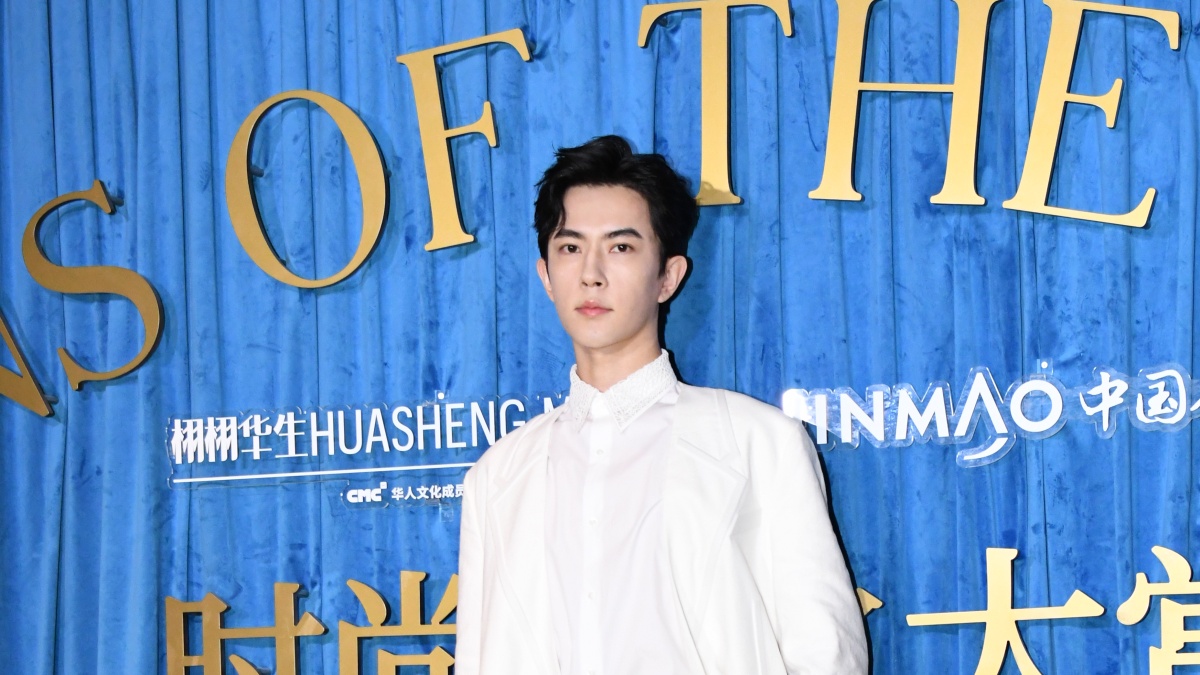
The mysterious death of Chinese actor Yu Menglong is shrouded in mystery. The public's pursuit of the truth has also uncovered the dark underbelly of the mainland entertainment industry, where artists' names are used to register "arms trademarks," suspected of being used to launder money for high-ranking CCP officials, cover up arms smuggling and corruption, and even have ties to the horrific live organ harvesting industry. Furthermore, the web of influence woven by powerful companies like his agency, Tianyu Media, within the entertainment industry is truly astonishing.
Yu Menglong debuted in 2013 by placing tenth in the national competition "Happy Boy." From then on, his life trajectory was locked in by Tianyu Media. According to mainland media reports, Tianyu Media included a priority renewal clause when signing the contract, requiring artists to renew if Tianyu's proposed renewal terms were at least 80% of the market price. Termination would require a hefty penalty.
Tianyu Media, a core agency within the Hunan Radio and Television system, was established in 2004. Its business scope encompasses record distribution, entertainment event planning, various performance planning, and copyright trading.
Tianyu Media's stringent contract model fosters a strict artist control system. Most of its artists are under full contract (meaning both their agency and record contracts are with Tianyu). For example, Yu Menglong's 2013 contract included, in addition to the standard exclusive agency clause, strict restrictions such as a ban on unauthorized performing activities.
Similar to Yu Menglong, many artists face the dilemma of terminating their contracts with Tianyu Media. For example, Chen Chusheng's termination of his contract with Tianyu Media attracted considerable attention, ultimately resulting in Chen Chusheng paying a hefty penalty.
Online reports claim that Tianyu Media is particularly harsh on its artists, with contracts laden with "unfair terms." Any insubordination could result in artists being "banned." Some even claim that Tianyu Media's work schedules are incredibly tight, seemingly filling them 24/7, leaving them with absolutely no time to rest.
Yu Menglong's rise to fame as Bai Zhen in the 2017 drama "Eternal Love" brought him to the peak of his career. However, in 2018, at the height of his career, he suddenly disappeared for three years. That same year, while still under contract, Yu Menglong suddenly clicked the "unfollow" button on Tianyu Media, a move that led to speculation that he was hinting at a contract termination.
At the time, there were reports that Yu Menglong was banned for refusing the "hidden advantages" of a female investor. A senior mainland publicist revealed that the ban was not a written rule, but rather an unspoken industry practice. It was not that Yu Menglong lacked opportunities during those three years; rather, all those opportunities were snuffed out by an "invisible hand."
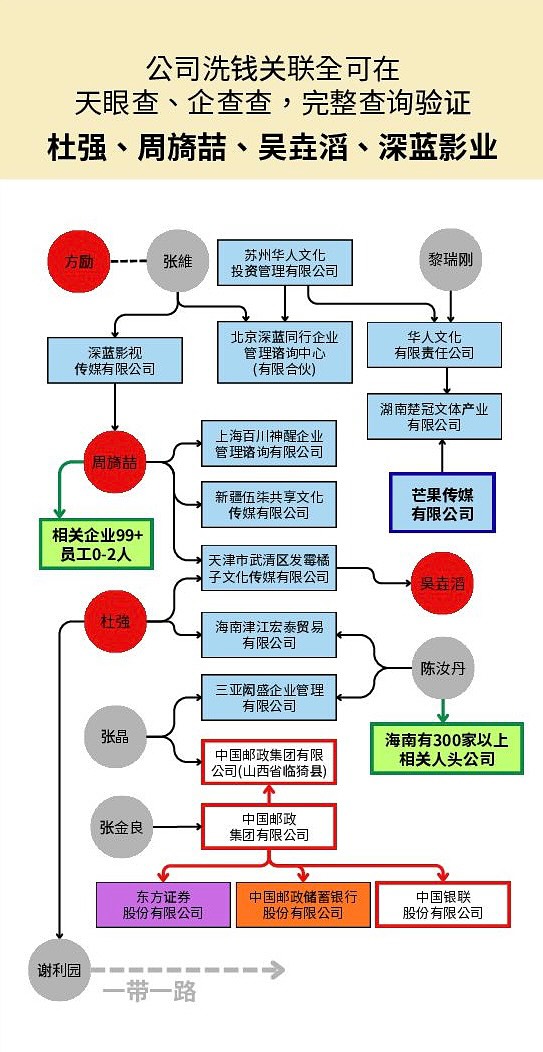
Online reports claim that Yu Menglong was under surveillance from the moment he was signed by Tianyu in 2013. He had been targeted by Xin Qi (Xin Xiaoxiong), the company's controller. He used Yu's name to operate two studios, secretly laundering money and engaging in illegal activities.
After Yu Menglong's death, his long-term surveillance and abuse were exposed. Rumors circulated that in order to escape Tianyu's control, he allegedly obtained evidence of a criminal gang's crimes and was ultimately brutally murdered. Those implicated included directors, editors, capital tycoons, producers, actors, singers, agents Du Qiang, and Xin Qi.
Yu Menglong's agent, Du Qiang (also known as Du Yicheng), was also his so-called friend and a graduate of the Beijing Modern Music Academy. Du Qiang was allegedly planted by powerful figures to monitor and control Yu Menglong, acting like a professional thug. Videos and images circulated online show Du Qiang following him closely, monitoring his every move.
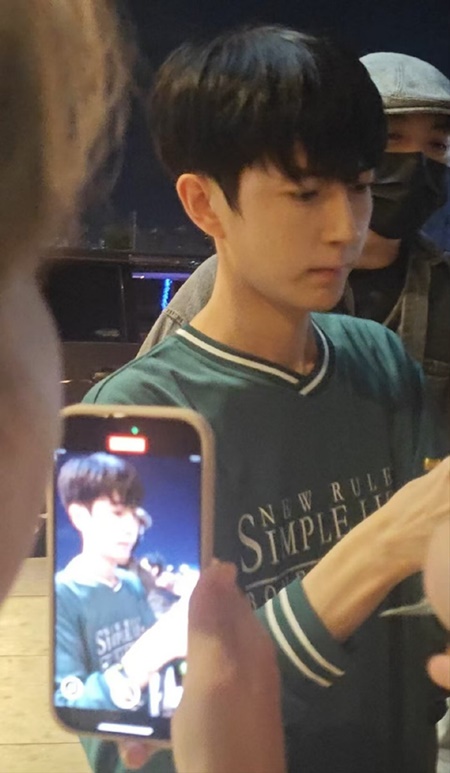
Image : Photo from the Internet
Yu Menglong and other celebrities have arms trademarks registered under their names
Yu Menglong's mysterious death exposed the shady practices of Chinese Communist Party (CCP) elites and entertainment industry tycoons using celebrities and singers to launder money and resell arms. Netizen investigations revealed that numerous "Super Boy and Super Girl" contestants had registered hundreds of companies under their names.
Shortly after signing with Tianyu Entertainment, Yu Menglong had 13 categories of arms trademarks registered under his name. A netizen searched Yu Menglong's companies and found a staggering 45 trademarks, including those for scientific instruments, paint, carpet cleaning, transportation vehicles, and even arms and fireworks.
Yu Menglong had two personal studios: Shanghai Qimeng Film and Television Culture Studio, which was deregistered in November 2024; and Dongyang Xianmeng Film and Television Culture Studio, which was deregistered in July 2025.
In addition to Yu Menglong, trademarks related to arms and fireworks have also been registered under the names of artists such as Guo Junchen, Gong Jun, Wang Xinling, Zhao Liying, Huang Xiaoming, and Yi Yang Qianxi.
There are suspicions that these trademark registrations are being orchestrated by management companies or behind-the-scenes teams, who register studios in the names of artists, using them as puppets and bulk-registering shell companies to create a vast money laundering network. These funds can be transferred between companies, ultimately transforming into endorsement fees and investment returns, effectively laundering the proceeds.
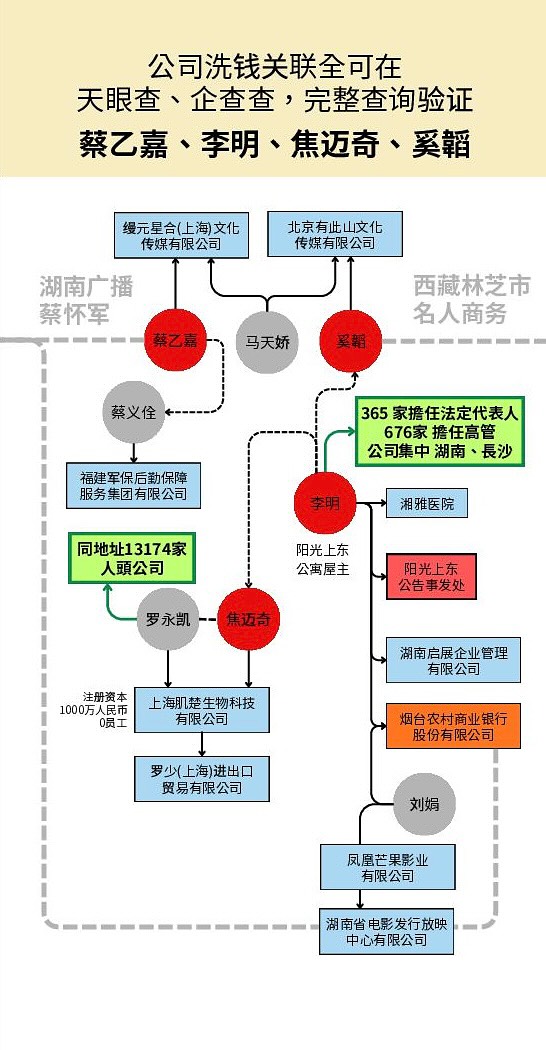
Public information shows that Hunan Satellite TV and Mango TV are sister companies, both part of the Hunan Radio and Television Group. Tianyu Media is a subsidiary of Hunan Radio and Television. Mango TV, Mango Interactive Entertainment, Tianyu Media, Mango Film and Television, and Mango Entertainment jointly form "Mango Super Media."
Hunan Radio and Television has close ties with the Chinese Communist Party (CCP) and government. Some netizens have pointed out the enormous power behind Tianyu Media, claiming that Tianyu Media, the Mango Group, Hunan Radio and Television, the Provincial Party Committee Propaganda Department, and the Central Propaganda Department form a complete "black chain of state-owned cultural industries" and a vast money laundering network.
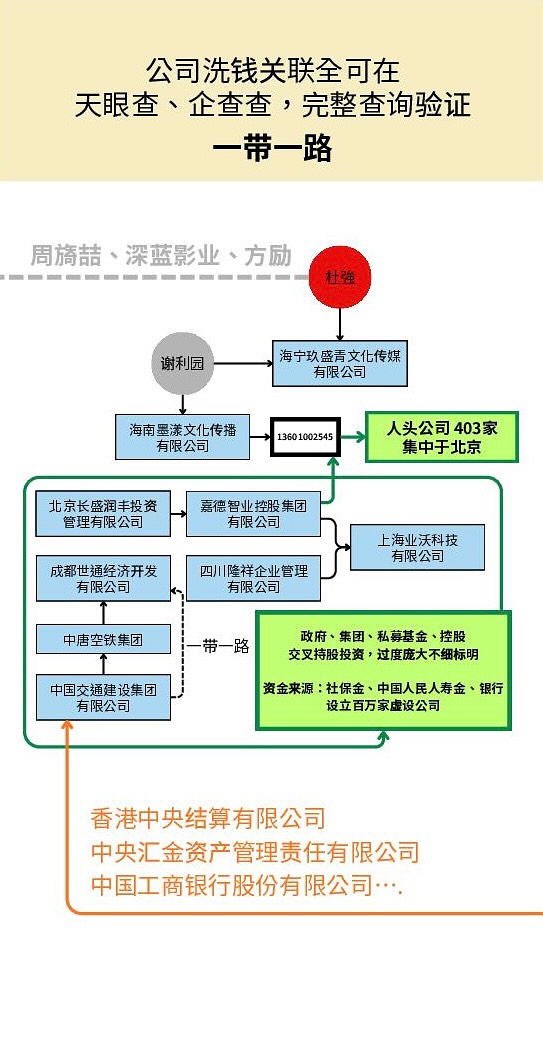
Other netizens claim that this group operates a massive money laundering network, potentially involving tens of billions of yuan. This network of connections reveals how the families of powerful Chinese Communist Party members have stolen wealth belonging to all Chinese people and transferred it to overseas tax havens through crimes such as arms smuggling, drug trafficking, the privatization of state-owned enterprises, power rent-seeking, misappropriation of social security funds, and the draining of medical insurance through COVID-19 policies.
Following Yu Menglong's death, supporters expressed their condolences and outrage. Over 600,000 people worldwide have signed a petition demanding justice for him, demanding that the Chinese Communist Party authorities reopen the case and investigate to reveal the truth and hold those responsible accountable. At the same time, many people are calling for society to prioritize the rights of artists and oppose shady practices.
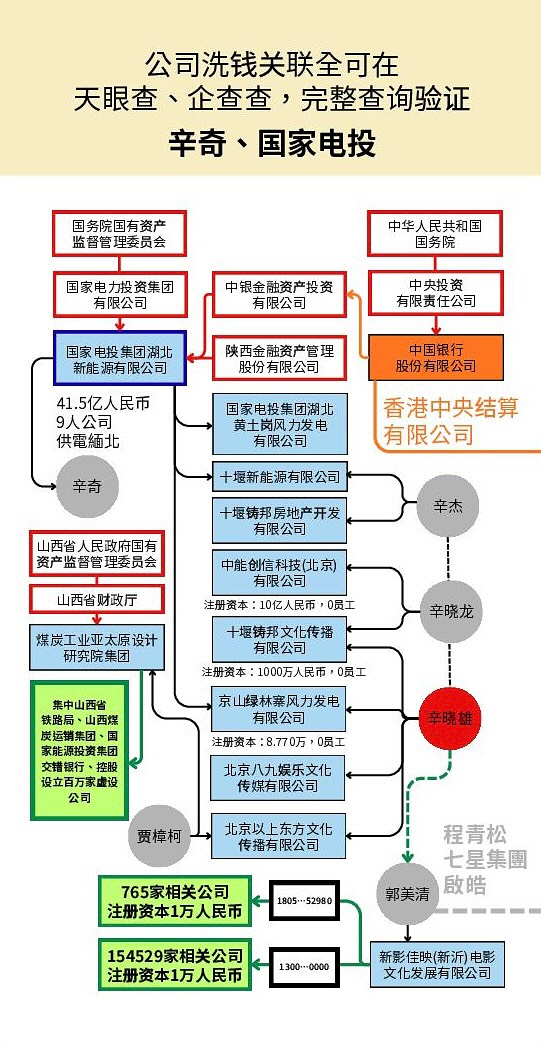
Some people commented that Chinese netizens have become almost Sherlock Holmes-like in their efforts to redress Yu Menglong's injustice. It was discovered that Tianyu is China's largest state-owned entertainment company, and the social security fund is a shareholder. The shady Bulgari Hotel and Qihao Art Museum were also found to be 100% state-owned, with the Beijing Municipal Government fully involved in their investment and construction.
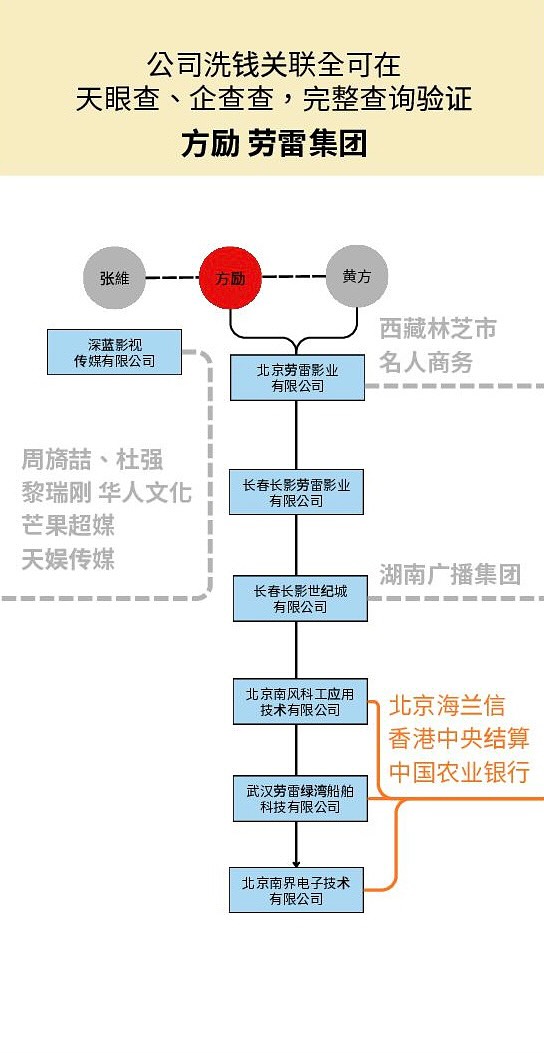
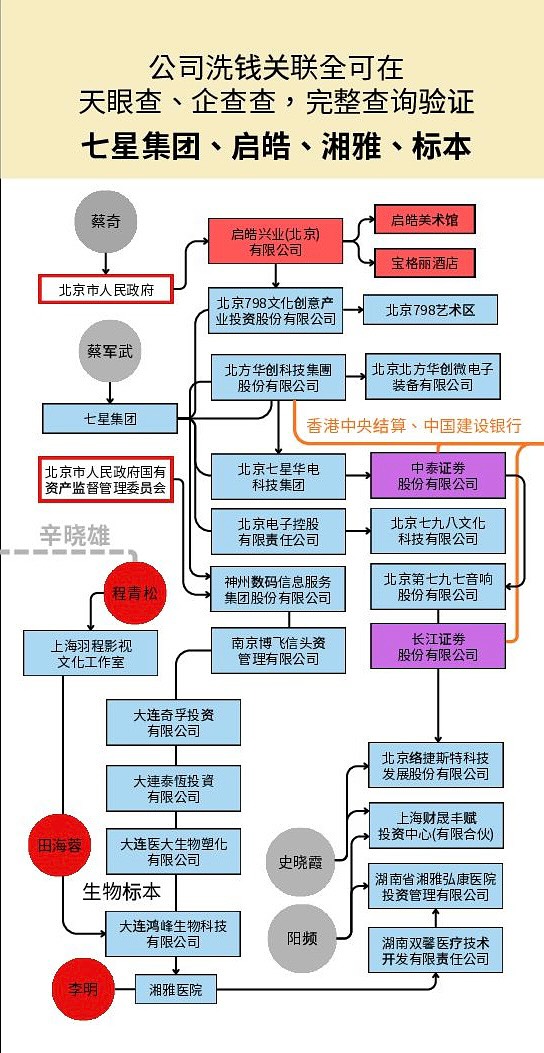
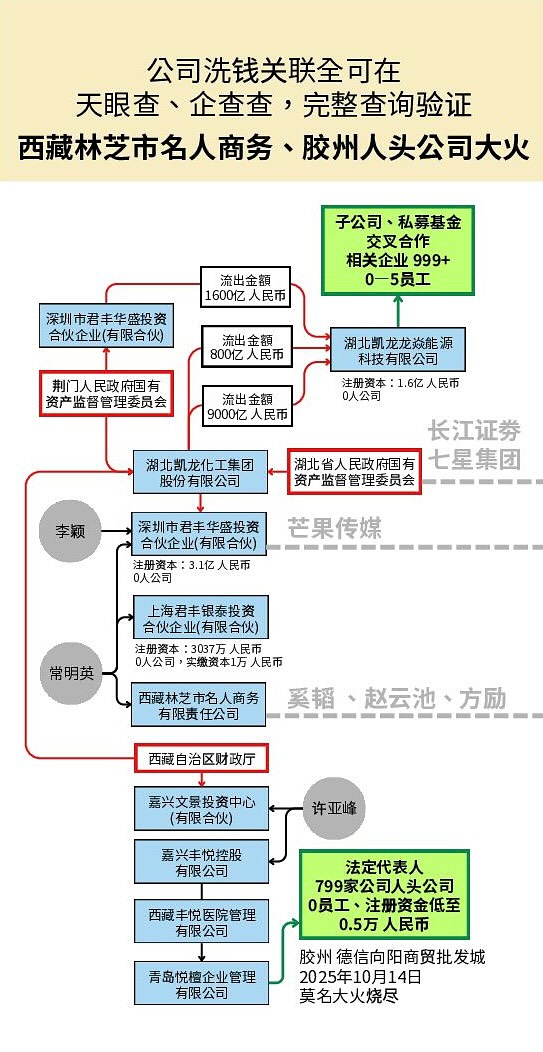
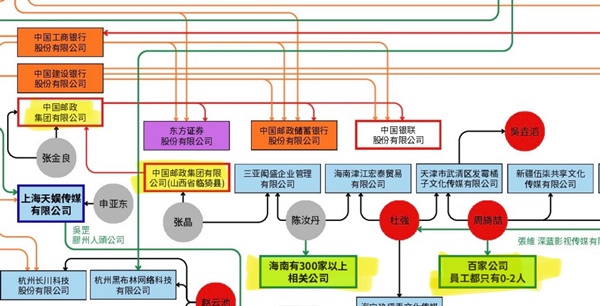
The following is a source for Yu Menglong's supporters: Netizen "glory_4youu" compiled a map of money laundering relationships involving powerful Chinese Communist Party companies controlling the entertainment industry based on websites like Qichacha. The intricate web of relationships is astonishing, like a spider web. The netizen posted a comment stating, "There's no copyright! Feel free to use it."
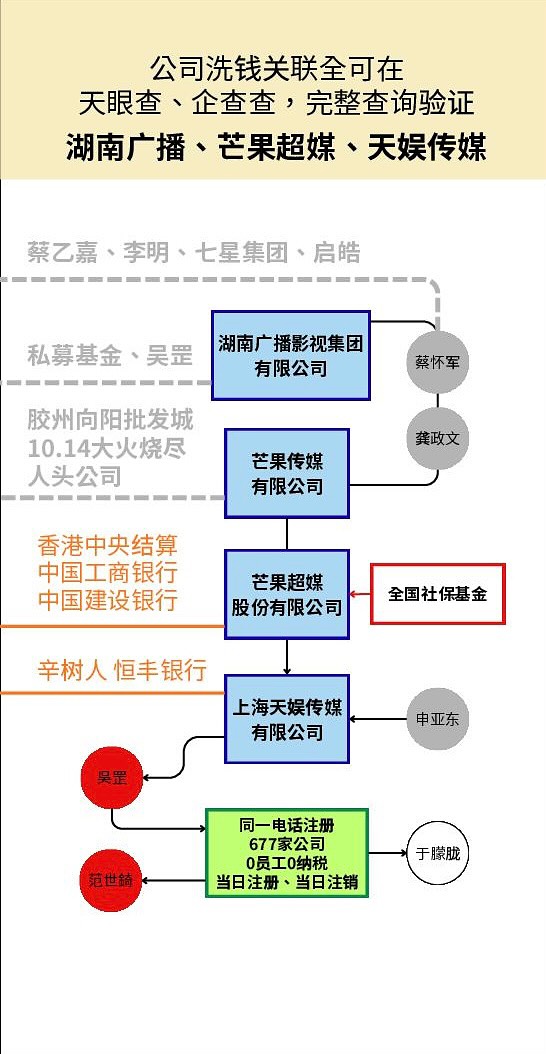
Source : Netizen "glory_4youu"
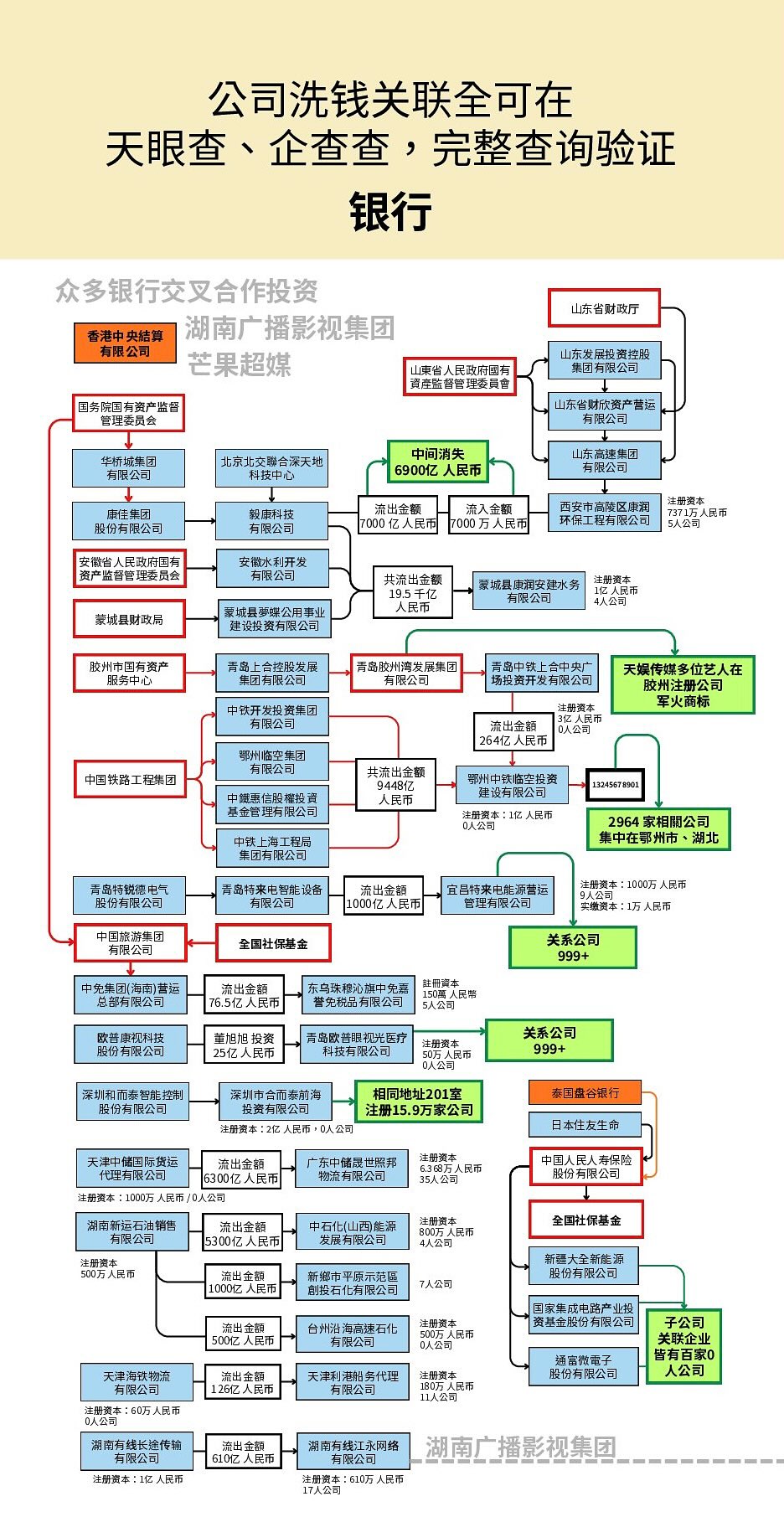
Source : Netizen "glory_4youu"
Source : Netizen "glory_4youu"
Source : Netizen "glory_4youu"
Source : Netizen "glory_4youu"
Source : Netizen "glory_4youu"
Source : Netizen "glory_4youu"
Source : Netizen "glory_4youu"
Source : Netizen "glory_4youu"
Source : Netizen "glory_4youu"
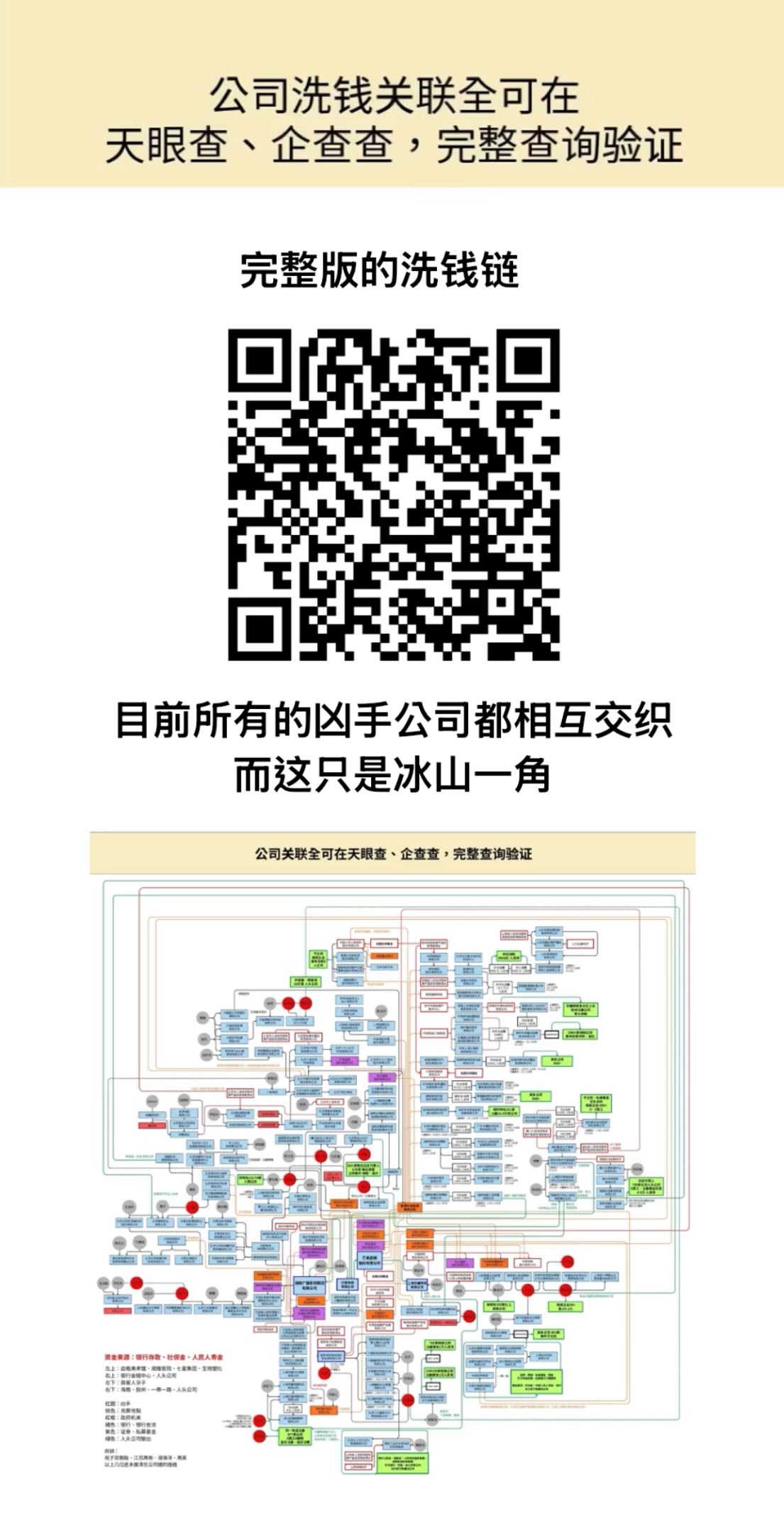
Source : Netizen "glory_4youu"
Subscribe to:
Comments (Atom)
Cheng Li-wen's two sentences show signs of "CCP manipulation"
Direct translations / News on Taiwan and CCP China News (1) Cheng Li-wen's two sentences are strange! He exposes Signs of "CCP ma...

-
 Report by : Gan Yung Chyan, KUCINTA SETIA Photo copyright by : Khov Meng Heng According to Cambodian and Chinese media, Cambodia's n...
 -
 Report, photo copyright by : Gan Yung Chyan, KUCINTA SETIA The above photo was shot in front of the viewing area in Changi Airport Terminal...
